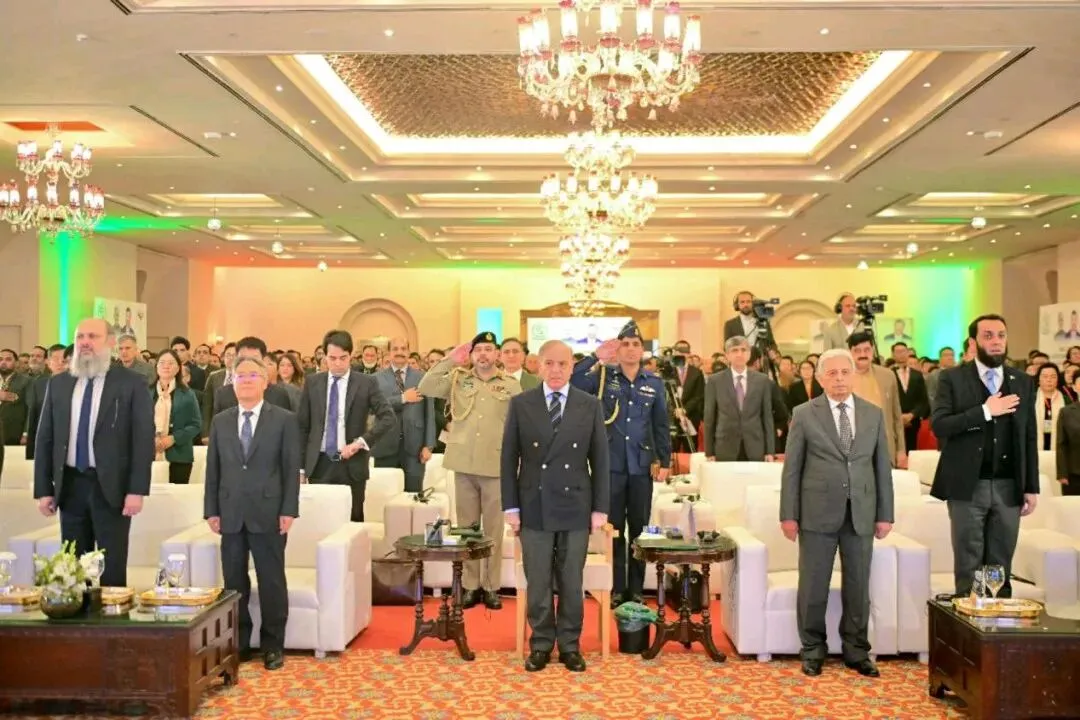
本周一,伊斯兰堡举办中巴农业投资大会,会上透露,中巴两国拟签署多项谅解备忘录,推动私营部门在农业领域十大关键细分板块开展总价值数百万美元的合资投资合作。
此次拟签约的合作领域包括农业种植、食品加工、畜牧养殖、渔业水产、农业投入品、农业机械、可再生能源、物流运输、技术研发及高附加值农产品出口。
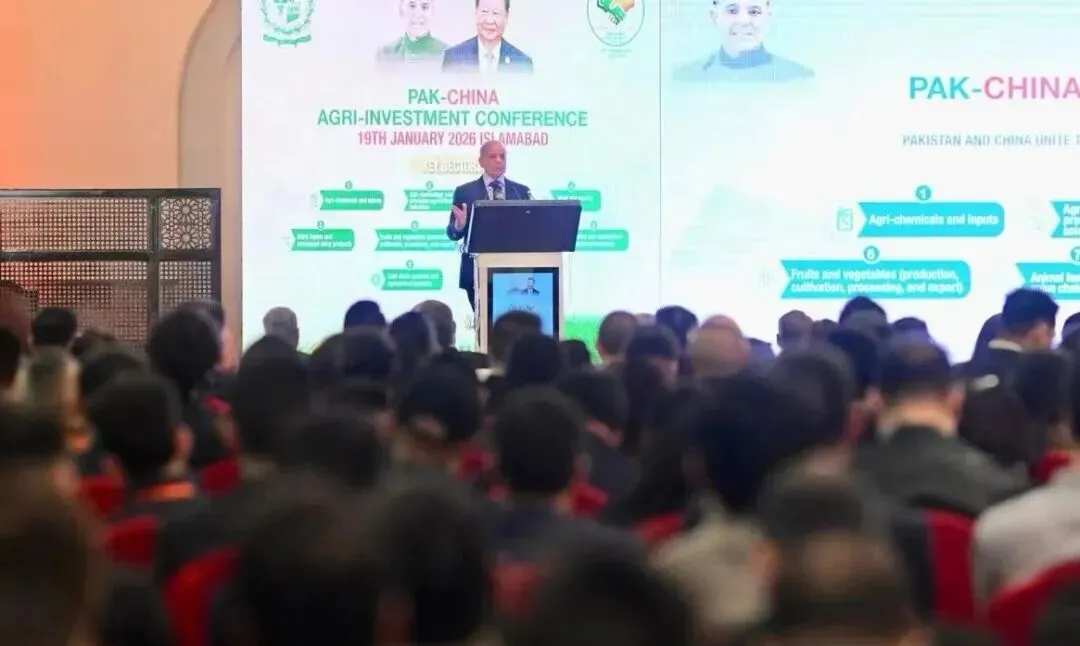
大会吸引了两国私营部门的踊跃参与,共有119家中资企业和191家巴基斯坦本土企业参会,充分彰显出双边商业合作热度持续攀升。
在中巴经济走廊(CPEC)第二阶段建设中,农业合作已被正式列为优先推进领域。
本次划定的10大重点投资细分领域具体包括:农用化学品及农业投入品、农业机械设备及解决方案、食品加工及增值服务、肉类家禽养殖加工、乳制品原料及加工制品、果蔬种植及储运、饲料生产及相关产业链、渔业及水产养殖、冷链物流系统及农产品物流、食品级包装材料及设备制造。
巴基斯坦国家粮食安全与研究部在大会上就本国农业发展现状作全面报告时指出,该国计划于2026年与中国等主要贸易伙伴签署超过25项卫生与植物卫生措施(SPS)协定及出口议定书。
巴基斯坦的农业发展现状呈现出一组充满挑战的矛盾图景:尽管坐拥肥沃土地、低廉劳动力成本以及广阔的国内市场,但受制于农业技术普及率偏低、基础设施建设不完善等因素,该国农业生产力缺口预估高达950亿美元。
巴基斯坦国家粮食安全与研究部部长拉纳·坦维尔·侯赛因在大会致辞时表示,该部门将全力为中国投资者提供支持,不仅协助简化相关监管审批流程,还将确保与所有相关政府部门及机构开展高效协同配合。
他强调,巴基斯坦政府的目标绝非单纯吸引投资,而是要将本国打造为中国企业与巴基斯坦合作伙伴携手成长、创新发展并实现共赢的投资热土。
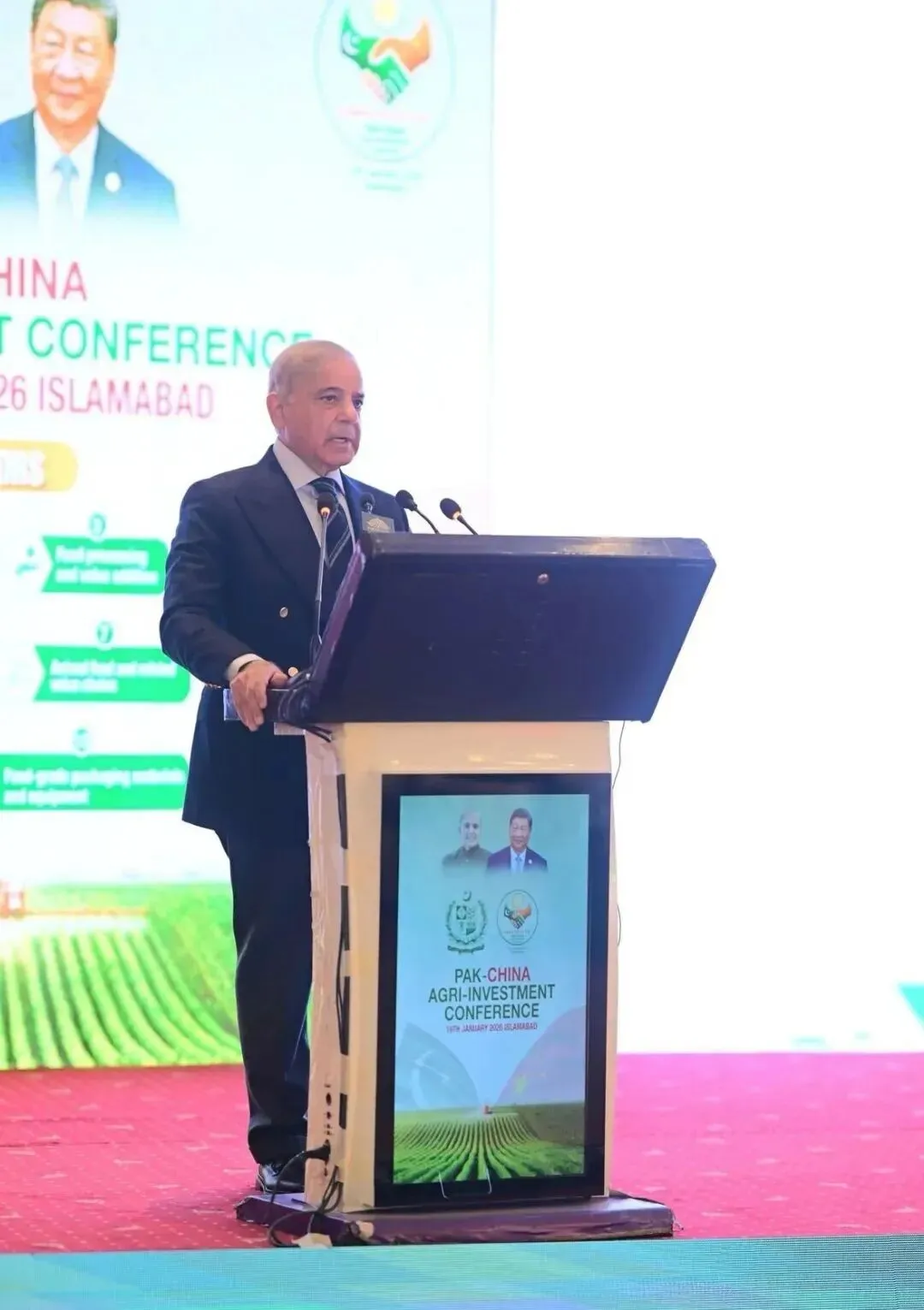
夏巴兹·谢里夫总理在大会上发表讲话时称,巴基斯坦作为农业经济体,在农业领域蕴藏着巨大且尚未被充分挖掘的发展潜力,通过引进现代农业技术、提升生产效率、深化与中国的合作,该国农业领域的转型发展无需耗时数年,短短数月即可实现。
总理着重指出,巴基斯坦需明确农产品种植及出口品类规划,完善产业链条,建设冷藏仓储设施,大力推进农产品增值加工,以此提升巴基斯坦农产品的国际竞争力。他盛赞中国在农业、信息技术、人工智能、制造业效能及出口竞争力等领域取得的斐然成就,并表示在中方专家的支持下,巴基斯坦应致力于通过提高产量、降低成本、优化品质,实现农产品贸易顺差。
“ Pakistan and China are set to sign multiple memorandums of understanding (MoUs) for private-sector joint venture investments worth millions of dollars across 10 key sectors of agriculture, it emerged from the Pakistan-China Agricultural Investment Conference held in Islamabad on Monday.
The sectors in which agreements are expected to be signed include agriculture, food processing, livestock, fisheries, agri-inputs, farm machinery, renewable energy, logistics, technology and value-added exports.
The conference drew strong participation from the private sectors of both countries, with 119 companies from China and 191 companies from Pakistan in attendance, reflecting growing bilateral commercial interest.
Agriculture has been officially elevated as a priority area of cooperation under the second phase of the China-Pakistan Economic Corridor (CPEC).
The 10 priority sub-sectors identified for investment include agro-chemicals and inputs, agricultural machinery and solutions, food processing and value addition, meat and poultry, dairy inputs and processed products, fruits and vegetables, animal feed and related value chains, fisheries and aquaculture, cold chain systems and agricultural produce logistics, and food-grade packaging materials and equipment.
Making a comprehensive presentation on Pakistan’s agriculture sector, the Ministry of National Food Security and Research stated that it plans to sign more than 25 sanitary and phytosanitary (SPS) and export protocols with key trading partners, including China, in 2026.
Pakistan’s agricultural landscape reflects a challenging paradox: despite fertile land, low labour costs and a large domestic market, the country faces an estimated productivity gap of $95 billion due to low technology penetration and inadequate infrastructure.
Addressing the conference, Minister for National Food Security and Research Rana Tanveer Hussain said the ministry was fully committed to supporting Chinese investors, from facilitating regulatory processes to ensuring seamless coordination with all relevant government departments and institutions.
He said the government’s objective was not merely to attract investment, but to make Pakistan a destination where Chinese enterprises could grow, innovate and succeed alongside Pakistani partners.
Addressing the conference, Prime Minister Shehbaz Sharif said Pakistan, being an agrarian economy, held immense and largely untapped potential in agriculture and could transform the sector not in years, but in months, by adopting modern technologies, improving productivity and strengthening cooperation with China.
He underlined the importance of deciding what to grow and export, developing value chains, cold storage and warehousing, and promoting value addition to make Pakistani produce globally competitive. The PM praised China’s achievements in agriculture, information technology, artificial intelligence, manufacturing efficiency and export competitiveness. He said Pakistan must aim to generate an agricultural trade surplus through higher yields, competitive costs and superior quality, with support from Chinese experts.”