Zhang Wanrong, Chen Quan*, Lin Da, Zhao Changping, Wang Yifei, Wang Yafeng, Wang Pengfei, Wu Min, Zhu Dong*, Pan Bo*, Xing Baoshan. Microbial strategies mediated by diverse agricultural practices stabilize soil organic carbon under ultraviolet radiation stress. Environmental Science & Technology, 2026. https://doi.org/10.1021/acs.est.6c04247Environmental Science & Technology最新(2024年)影响因子:11.3
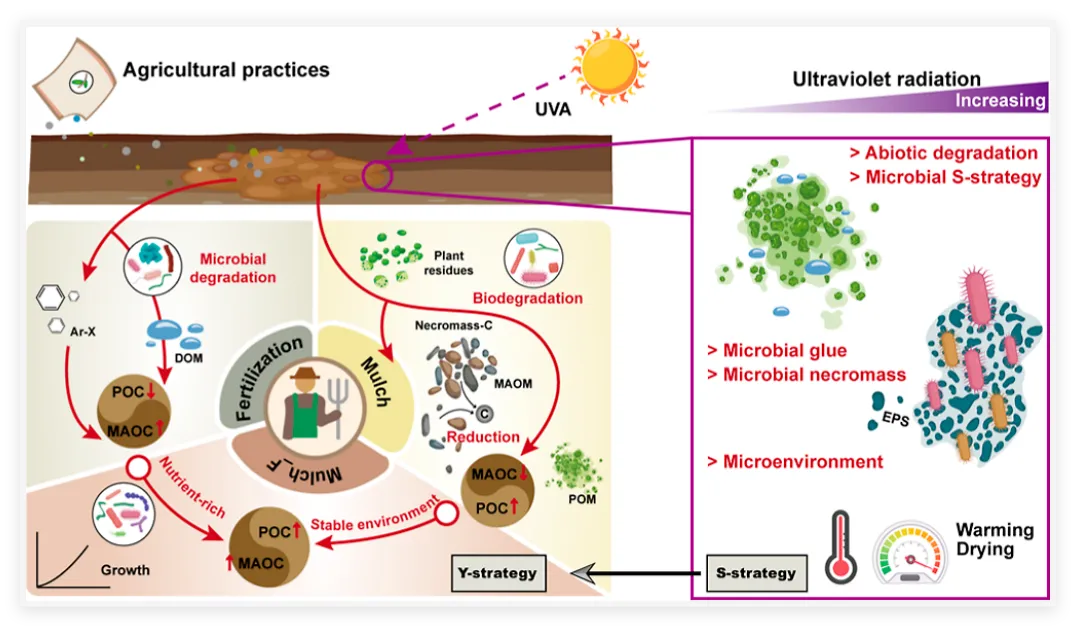
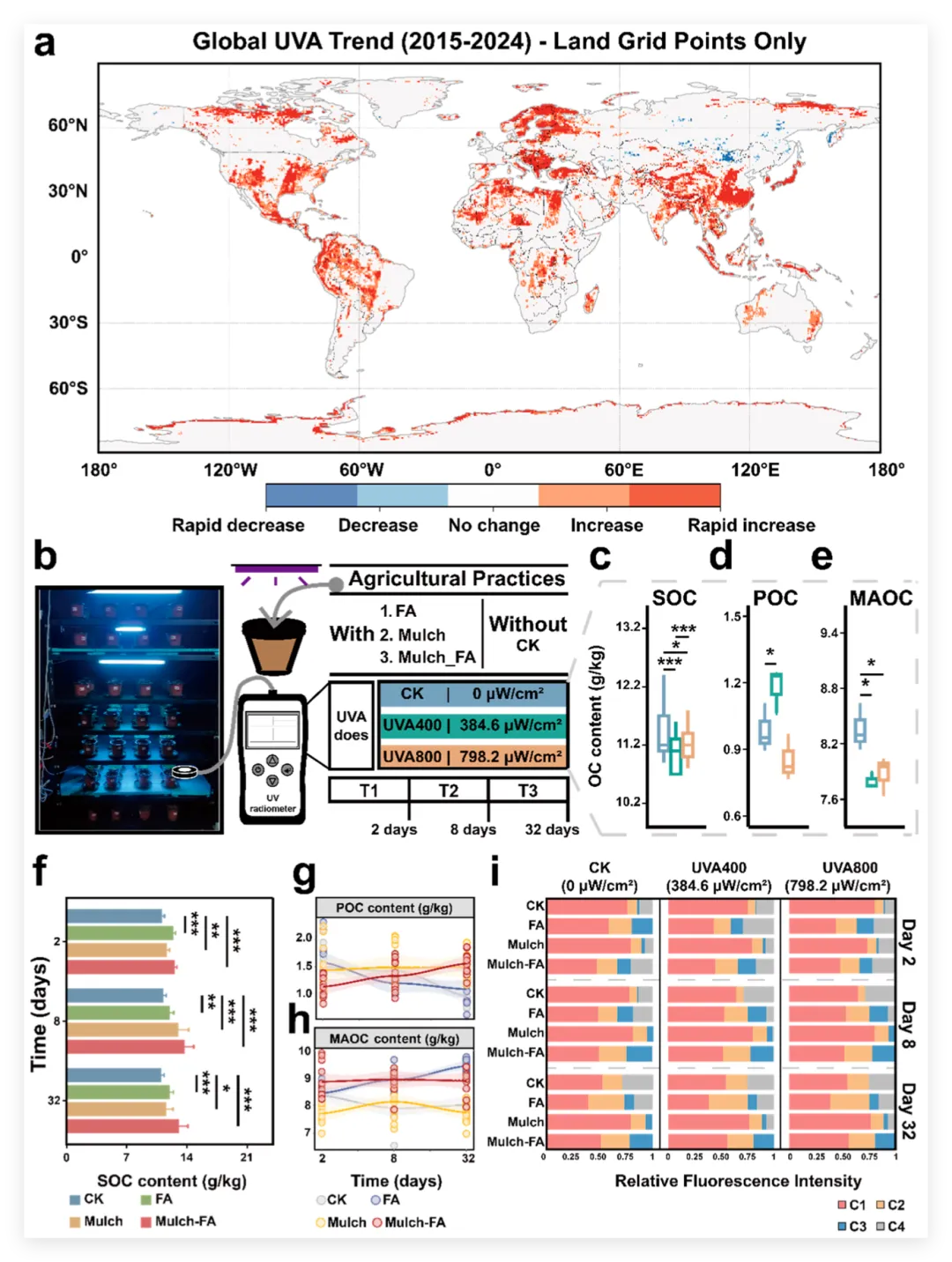
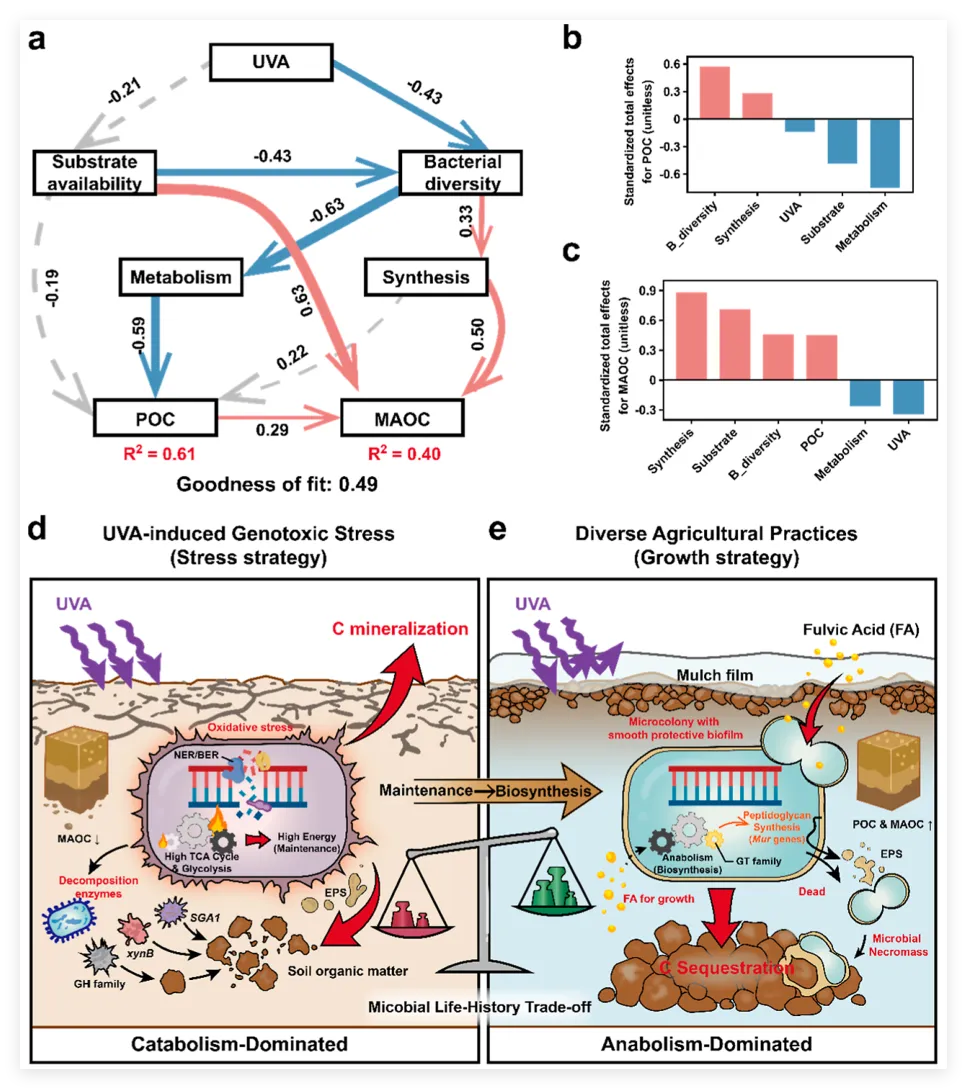
Abstract:Ultraviolet A (UVA) poses underexplored risks to organic carbon stability, particularly relevant to the fate of mineral-associated organic carbon (MAOC) and particulate organic carbon (POC) under diverse agricultural practices. To determine how UVA stress alters soil carbon stability, we conducted a 32 day microcosm experiment exposing agricultural soil to 0, 384.6, or 798.2 μW/cm2 UVA, with or without fulvic acid (FA, 0.4%, w/w), mulching, or their combination. Our study demonstrates that UVA acts as a genotoxic stressor, forcing microorganisms to undergo a metabolic trade-off. Specifically, UVA selectively stimulates decomposer taxa enriched in carbohydrate-active enzymes, such as Bacteroidota and Acidobacteriota, thereby supporting cellular repair. This “repair-driven hypermetabolism” accelerates the decomposition of recalcitrant substrates, significantly reducing stable MAOC content from 8.25 to 7.96 g/kg, whereas POC did not change significantly under UVA alone. Agricultural practices, such as fulvic acid (FA) preferentially promoted MAOC-related microbial communities and functions, whereas mulching enhanced extracellular polymeric substance production and supported POC stabilization. The combined Mulch-FA treatment redirected microbial strategies toward biosynthesis, increased soil organic carbon by 18.77% relative to the control, and reduced the relative abundances of genes involved in cellulose, mannan, xylan, and lactose degradation by 70.58%, 90.75%, 87.27%, and 81.40%, respectively. This study lays a scientific foundation for achieving sustainable agricultural development under accelerating UVA stress.Figure 1. Arrangement of UVA experiments and dynamics of relevant carbon fractions in soils.
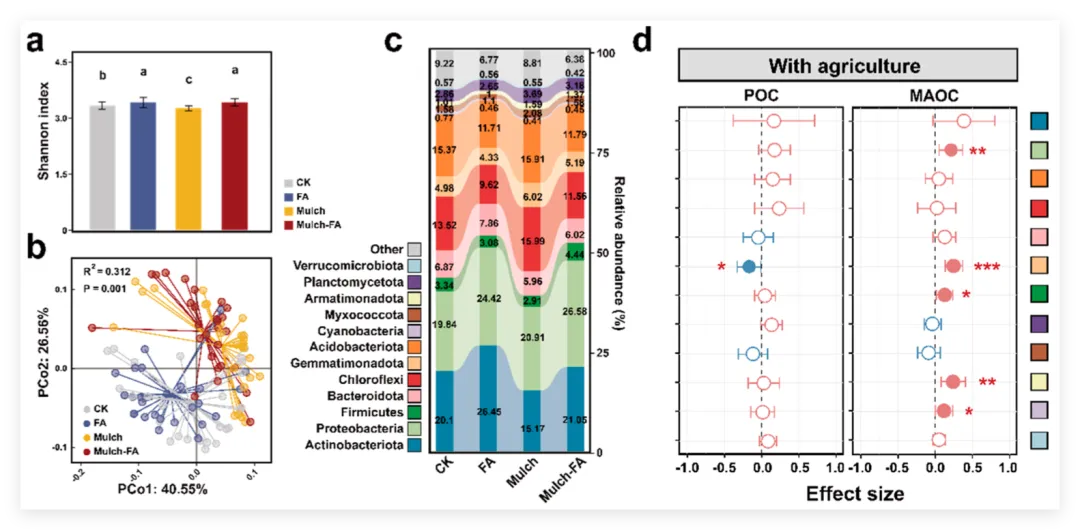
Figure 2. Influence of soil microbiome on POC and MAOC.
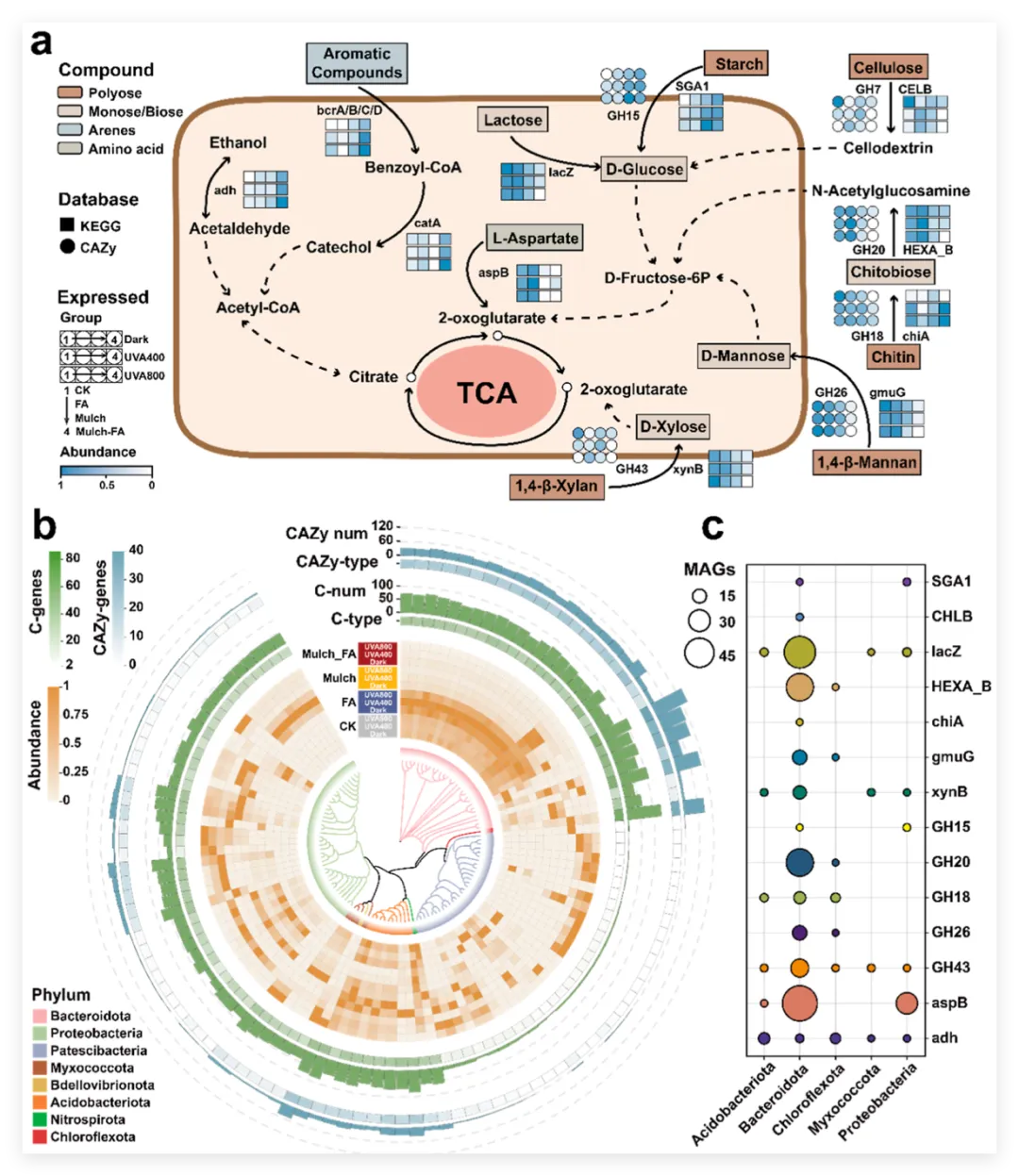
Figure 3. Differences in soil microbiome carbon metabolism function in response to UVA under different agricultural measures.
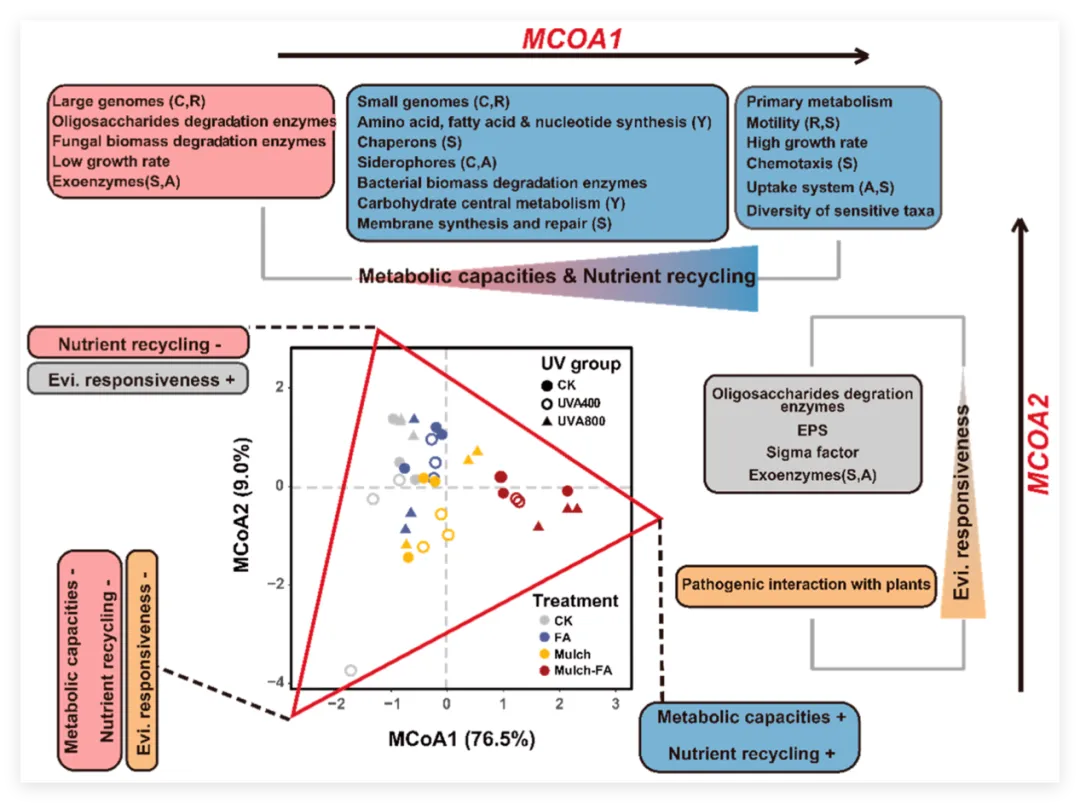
Figure 4. Life-history strategies for soil bacterial communities.
Figure 5. Abiotic and biotic drivers of soil carbon stability and the underlying microbial metabolic trade-offs.