山东省农业科学院马端旭等:基于DEM-CFD的气力离心组合式小麦排种器仿真与优化
- 2026-08-11 13:44:35
马端旭,史嵩,李慧,位国建,周纪磊,史玉鹏,刘虎*
(山东省农业科学院,济南250100,中国)
摘要:气力式小麦排种器在高速作业下易因充种效果不佳造成漏充现象,不利于精密播种效果。该研究所设计排种器采用机械气力复合充种的方法,通过对型孔处通孔结构和充种空间进行优化,以其提高充种效果和携种稳定性。该研究通过对小麦排种器的工作过程进行分析,阐述充种和清种过程的工作原理,探究了种子填充性能和携种稳定性的影响因素,并引入DEM-CFD仿真方法进行工作过程模拟。
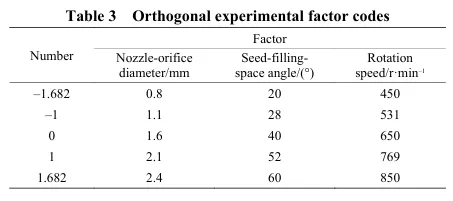
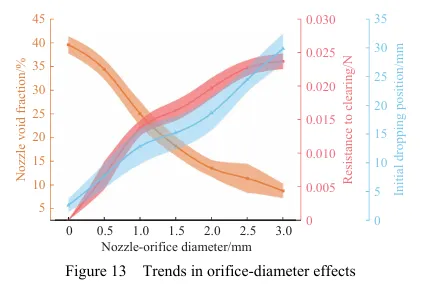
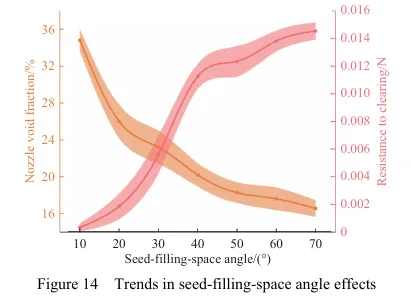
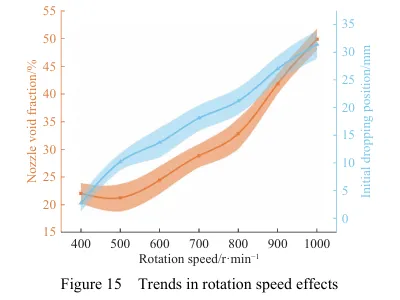
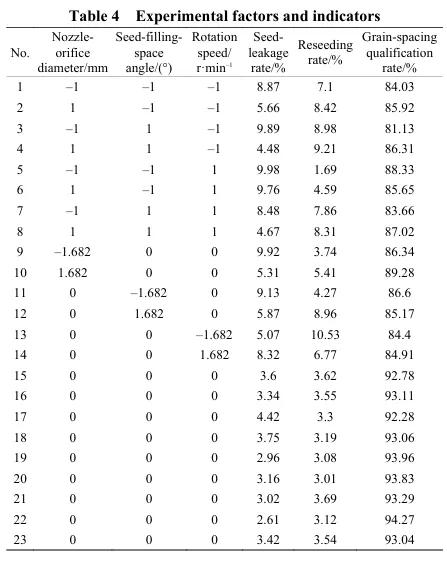
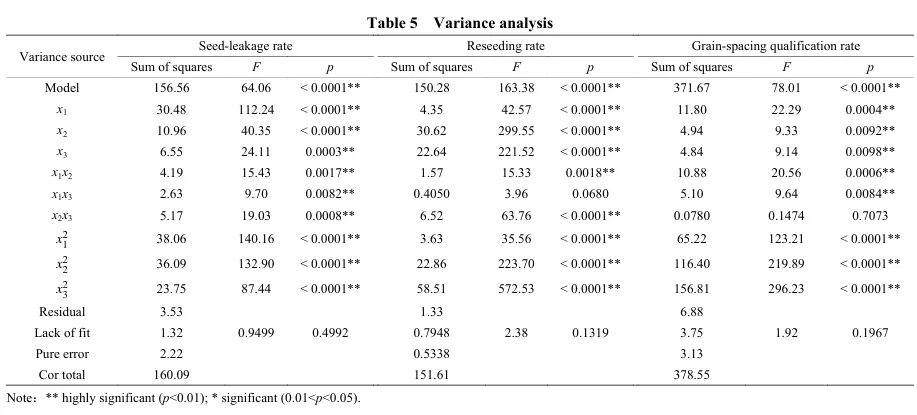
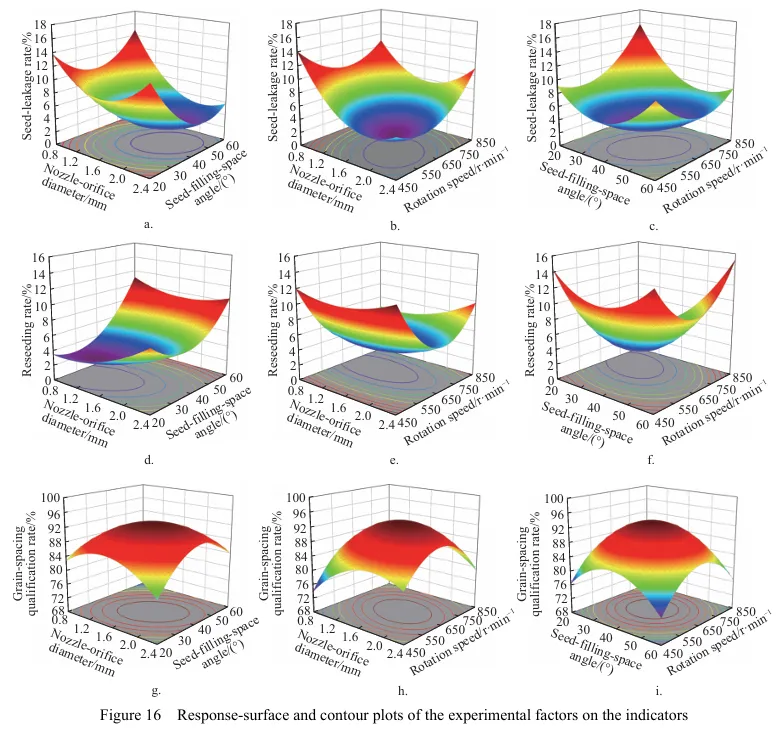
确定通孔直径、充种空间和转速为影响因子,在微观角度上分析对型孔空隙率、抗清除力和初始下落位置的影响趋势。在宏观尺度上定义漏播率、重播率、粒距合格率为性能评价指标,得到各影响因子的主次顺序和交互作用。
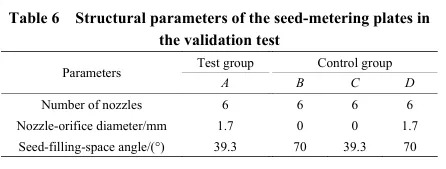
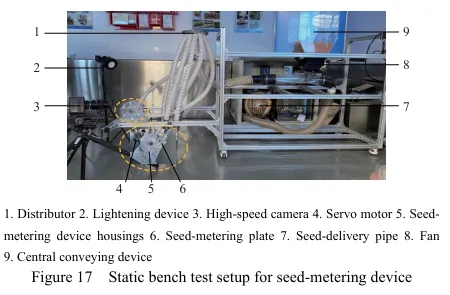
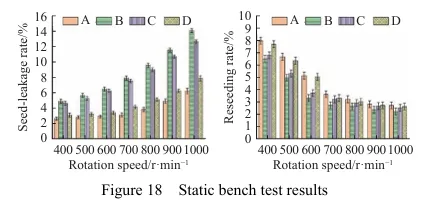
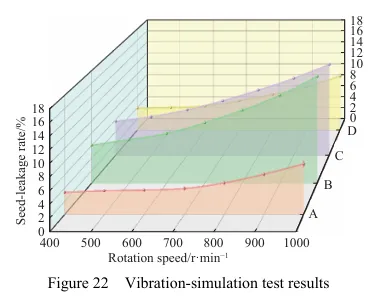
通过二次优化试验,确定最佳参数组合:通孔直径为1.7 mm,充种空间为39.3°,转速为657.4 r/min。进行静止台架验证试验和室内振动环境模拟试验,并选取对照组进行效果比对。结果表明当排种盘转速为在400 r/min~1000 r/min内变化时,优化结构后的排种盘漏播率低于7.6%,各项指标均优于原始排种盘,充种和携种稳定性有明显提升。
关键词:小麦排种器;气力离心;曳力;DEM-CFD
DOI: 10.25165/j.ijabe.20251805.9438
引用信息: Ma D X, Shi S, Li H, Wei G J, Zhou J L, Shi Y P, et al. DEM-CFD-based simulation and optimization of a combined pneumatic-centrifugal wheat seed-metering device. Int J Agric & Biol Eng, 2025; 18(5): 127–141.
DEM-CFD-based simulation and optimization of a combined pneumatic centrifugal wheat seed-metering device
Duanxu Ma, Song Shi, Hui Li, Guojian Wei, Jilei Zhou, Yupeng Shi, Hu Liu*
(Shandong Academy of Agricultural Sciences, Jinan 250100, China)
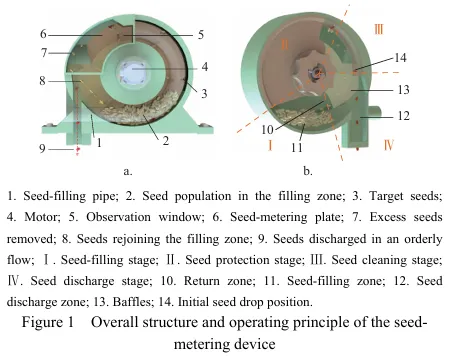
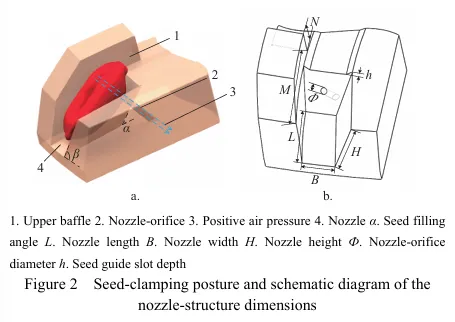
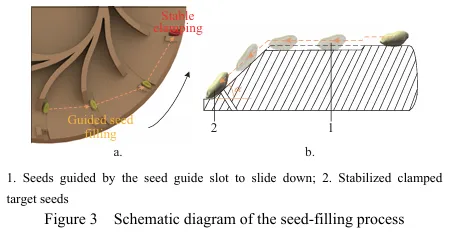
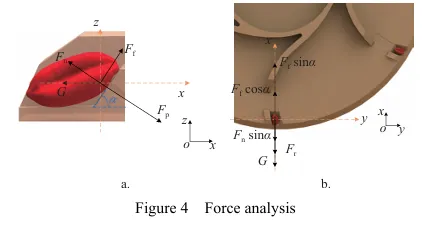
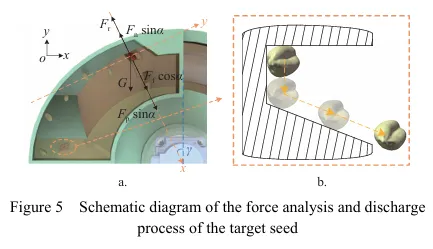
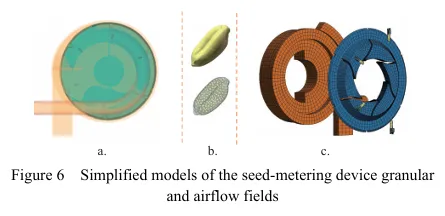
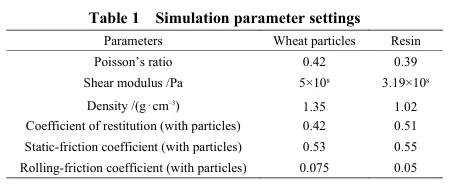
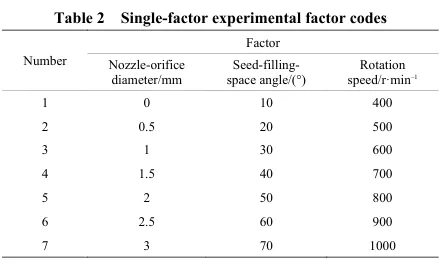
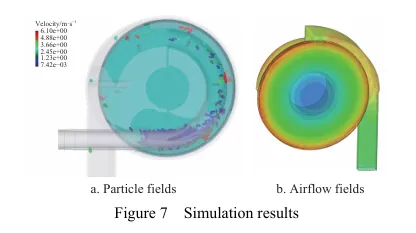
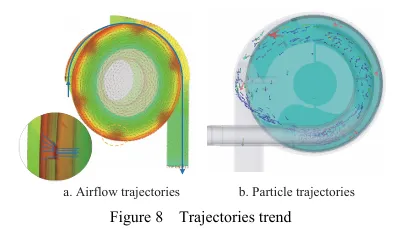
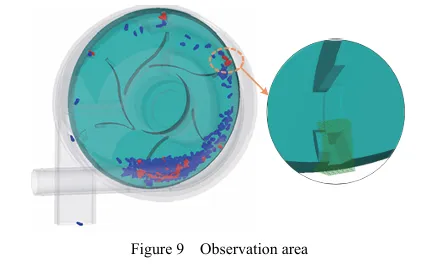
Abstract: Pneumatic wheat seed-metering device often has a poor seed-filling state under the high-speed working condition, which adversely affects precision seeding. This paper describes a wheat seed-metering device that employs a combined mechanical–pneumatic seed-filling method. The orifice structure and seed-filling space at the nozzle are optimized to improve the seed-filling efficiency and seed-carrying stability. The working process of the wheat seed-metering device was analyzed, the principles of the seed-filling and seed-cleaning processes were elucidated, the factors influencing the seed-filling performance and seed-carrying stability were investigated, and the discrete element method–computational fluid dynamics (DEM-CFD) simulation method was employed to simulate the working process. The nozzle-orifice diameter, seed-filling-space angle, and rotation speed were determined as the simulation influence factors, and the trends of the nozzle void fraction, resistance to clearing, and initial dropping position were analyzed on a microscopic scale. On a macroscopic scale, the seed leakage rate, reseeding rate, and grain-spacing qualification rate as performance-evaluation metrics were analyzed, and the significant order of impacts for these influencing factors and their interaction effects was obtained. Through secondary optimization experiments, the optimal parameter combination was determined to be a nozzle-orifice diameter of 1.7 mm, a seed filling-space angle of 39.3°, and a rotation speed of 657.4 r/min. Static bench-validation tests and indoor vibration-environment simulation experiments were conducted, and the results were compared with a control group. The findings reveal that when the seed-metering plate rotation speed varies between 400 r/min and 1000 r/min, the optimized seed-metering plate exhibits a seed leakage rate below 7.6% and superior performance in all indicators compared to the original seed-metering plate, indicating a significant improvement in seed-filling efficiency and seed-carrying stability.
Keywords: wheat seed-metering device, pneumatic centrifuge, drag force, DEM-CFD
DOI: 10.25165/j.ijabe.20251805.9438
Citation:Ma D X, Shi S, Li H, Wei G J, Zhou J L, Shi Y P, et al. DEM-CFD-based simulation and optimization of a combined pneumatic-centrifugal wheat seed-metering device. Int J Agric & Biol Eng, 2025; 18(5): 127–141.
END

点赞
收藏
分享