[1] MOORE P R, EVENSON A, ET A. Use of sulfasuxidine, streptothricin, and streptomycin in nutritional studies with the chick. J Biol Chem, 1946, 165(2): 437-441.
[2] STOKSTAD E L, JUKES T H, ET A. The multiple nature of the animal protein factor. J Biol Chem, 1949, 180(2): 647-654.
[3] HAO H, CHENG G, IQBAL Z, et al. Benefits and risks of antimicrobial use in food-producing animals. Front Microbiol, 2014, 5: 288.
[4] JONES F T, RICKE S C. Observations on the history of the development of antimicrobials and their use in poultry feeds. Poult Sci, 2003, 82(4): 613-617.
[5] LERMINIAUX N A, CAMERON A. Horizontal transfer of antibiotic resistance genes in clinical environments. Can J Microbiol, 2019, 65(1): 34-44.
[6] van den BOGAARD A E, STOBBERINGH E E. Epidemiology of resistance to antibiotics. Links between animals and humans. Int J Antimicrob Agents, 2000, 14(4): 327-335.
[7] BOONSANER M, HAWKER D W. Evaluation of food chain transfer of the antibiotic oxytetracycline and human risk assessment. Chemosphere, 2013, 93(6): 1009-1014.
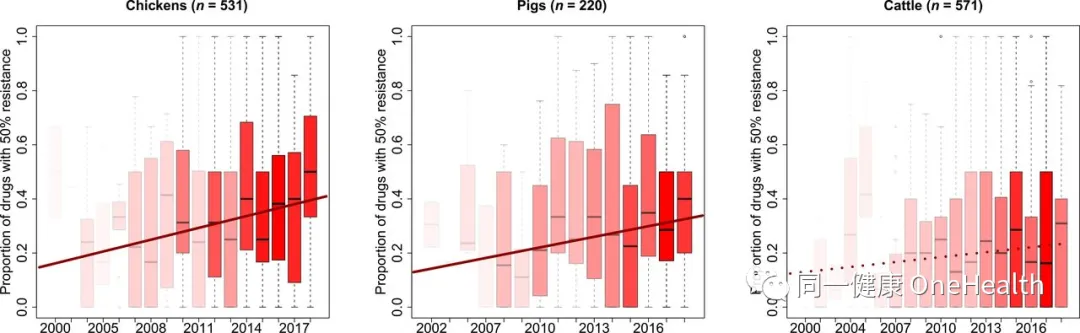
[8] Van BOECKEL T P, PIRES J, SILVESTER R, et al. Global trends in antimicrobial resistance in animals in low- and middle-income countries. Science, 2019, 365(6459).












 10个月宝宝每天需要喝多少奶粉?