山东农业大学傅生辉博士等:基于PIG-Net模型的群养猪只行为与猪舍环境因子动态耦合分析
- 2026-06-05 23:45:11
(1. 山东农业大学机械与电子工程学院,泰安 271018,山东,中国;
2. 中国农业大学水利与土木工程学院,北京 100083,中国;
3. 山东农业大学动物科技学院,泰安 271018,山东,中国;
4. 宁阳温氏畜牧有限公司,泰安 262000,山东,中国;
5. 青海大学机械工程学院,西宁 810016,中国;
6. 中国农业大学工学院,北京 100083,中国 )
摘要:群养猪只的行为受猪舍环境条件影响显著,但在商业化养殖场景中,二者的动态耦合关系难以量化。这主要是由于猪只个体外观高度相似、行为交互复杂且环境条件变化较快,使得现有基于视觉的群养猪只行为检测与跟踪方法面临较大挑战。针对这些问题,该研究提出了一种基于PIG-Net的动态耦合分析框架,集成了行为检测、群养猪只跟踪及行为—环境耦合分析。
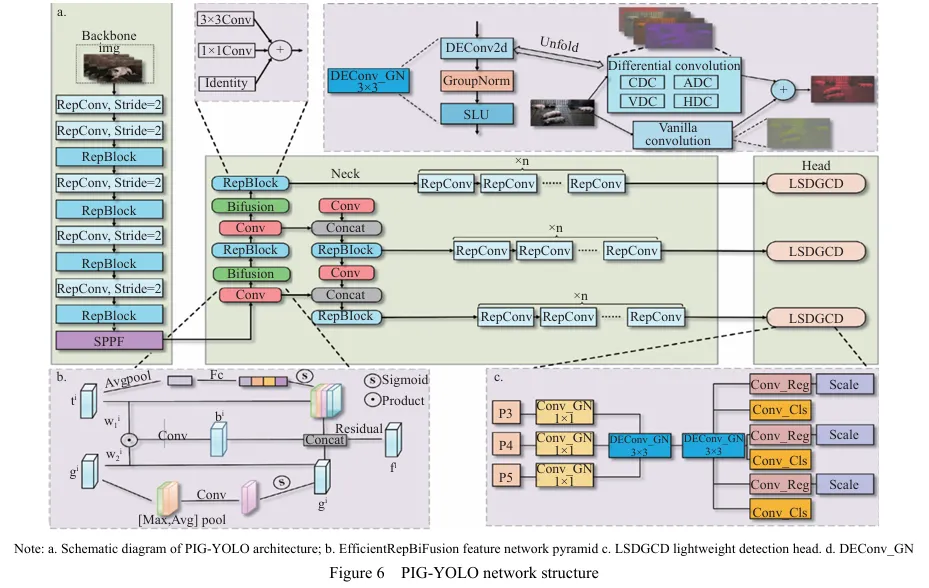
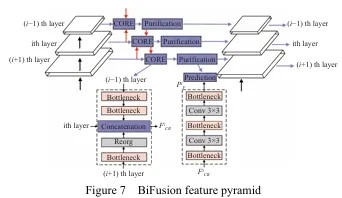
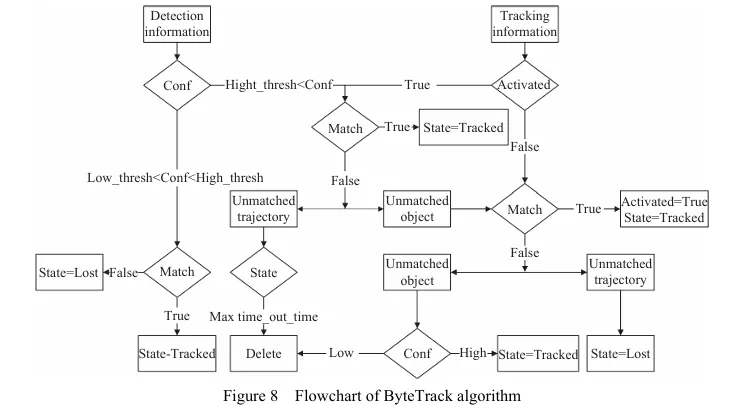
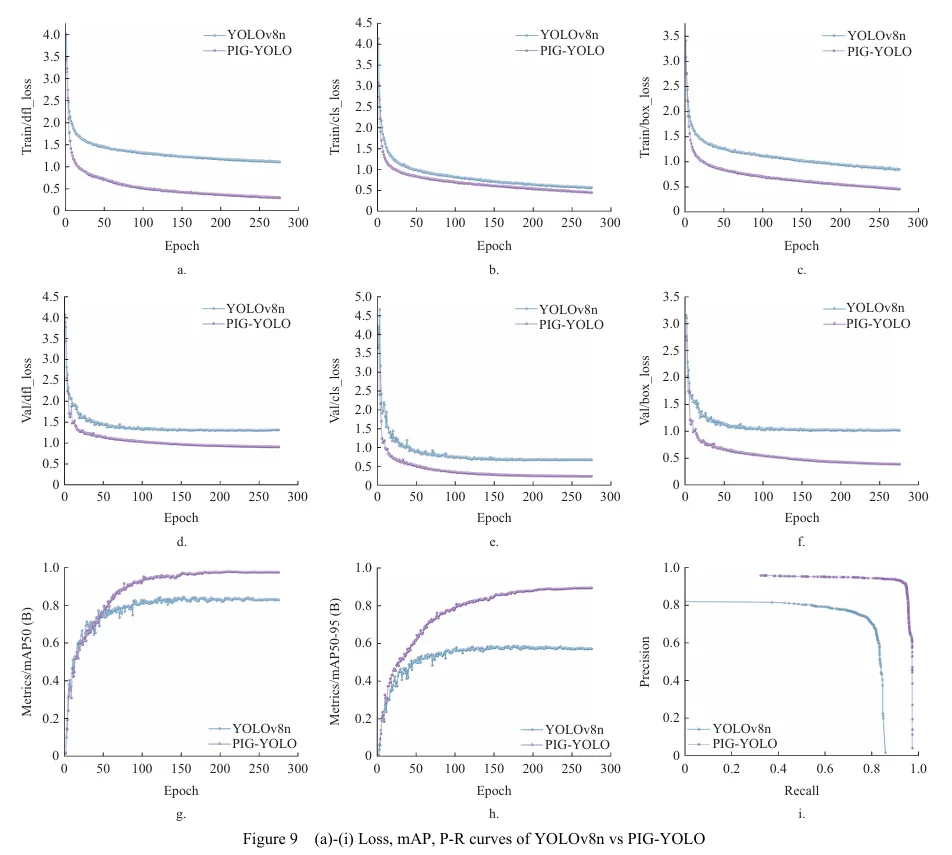
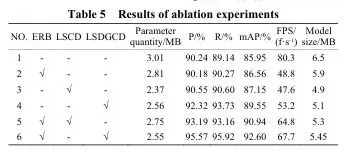
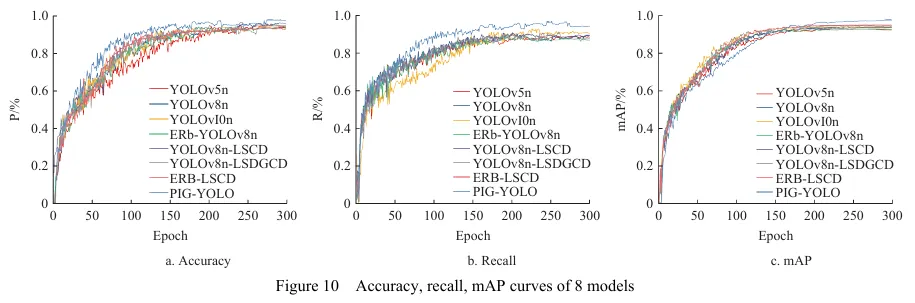
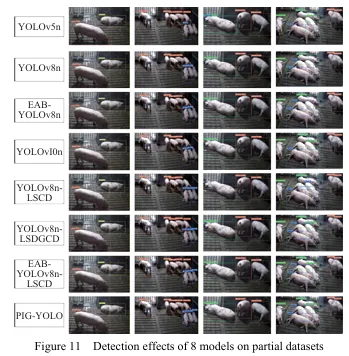
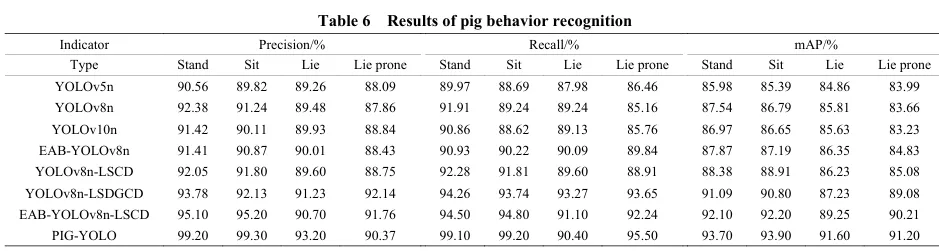
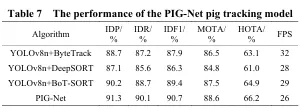
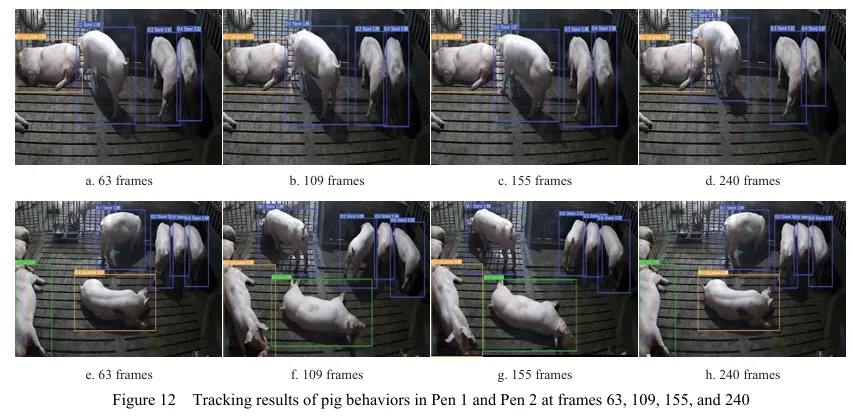
模型采用具有双向特征融合的EfficientRepBiFusion主干网络及轻量化LSDGCD检测头,在PIG-YOLO上对四种猪只行为—站立、犬坐、侧卧与趴卧的平均检测精度(mAP)达到93.5%。集成的PIG-Net系统在跟踪方面表现稳定,个体识别平均率(IDF1)为90.7%,多目标跟踪精度(MOTA)为88.6%,实时处理速度达26 FPS。
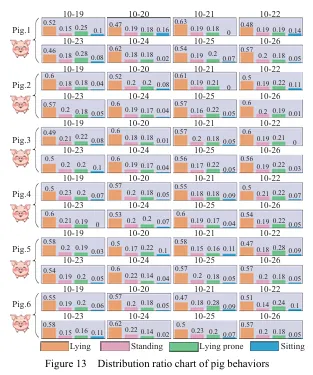
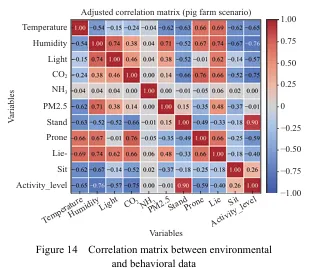
同时,系统通过环境传感器持续监测温度、湿度及CO₂浓度,以支持长期相关性分析。基于长期监测数据,采用皮尔逊相关分析量化了猪只行为与环境因子之间的关联,显著相关系数|r|范围为0.65–0.76。结合时间特征与降维分析结果,温度、湿度及CO₂浓度被识别为主要环境驱动因子。
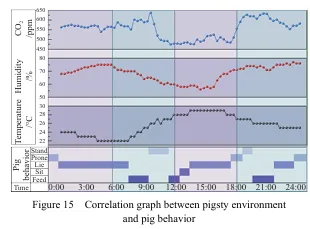
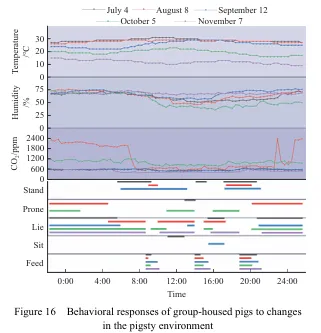
研究发现,高温高湿条件下猪只活跃行为减少、趴卧和侧卧行为显著增加,而在凉爽干燥期间,猪只活跃行为增多。CO₂浓度升高进一步抑制猪只活动,表明空气质量下降会对行为产生抑制作用。以上结果可为群养猪只行为—环境耦合评估及健康预警提供量化依据。
关键词:猪只行为检测;环境动态;PIG-Net;行为—环境耦合;动物福利评价
DOI: 10.25165/j.ijabe.20261901.10337
引用信息: Zhang W, Zhang X Z, Shi Z X, Lin H, Gao Z, Shao M X, et al. Dynamic coupling analysis of group-housed pig behaviors and pigsty environmental factors based on the PIG-Net model. Int J Agric & Biol Eng, 2026; 19(1): 47–58.
Dynamic coupling analysis of group-housed pig behaviors and pigsty environmental factors based on the PIG-Net model
Wen Zhang1, Xinzhe Zhang1, Zhengxiang Shi2, Hai Lin3, Zhan Gao4, Mingxi Shao5, Yuefeng Du6, Zaiying Zhang1, Shenghui Fu1*
(1. College of Mechanical and Electronic Engineering, Shandong Agricultural University, Tai’an 271018, Shandong, China;
2. College of Water Resources and Civil Engineering, China Agricultural University, Beijing 100083, China;
3. College of Animal Science and Technology, Shandong Agriculture University, Tai’an 271018, Shandong, China;
4. Ningyang Wens Livestock, Wens Foodstuff Group Co., Ltd., Tai ’an 262000, Shandong, China;
5. College of Mechanical Engineering, Qinghai University, Xining 810016, China;
6. College of Engineering, China Agricultural University, Beijing 100083, China)
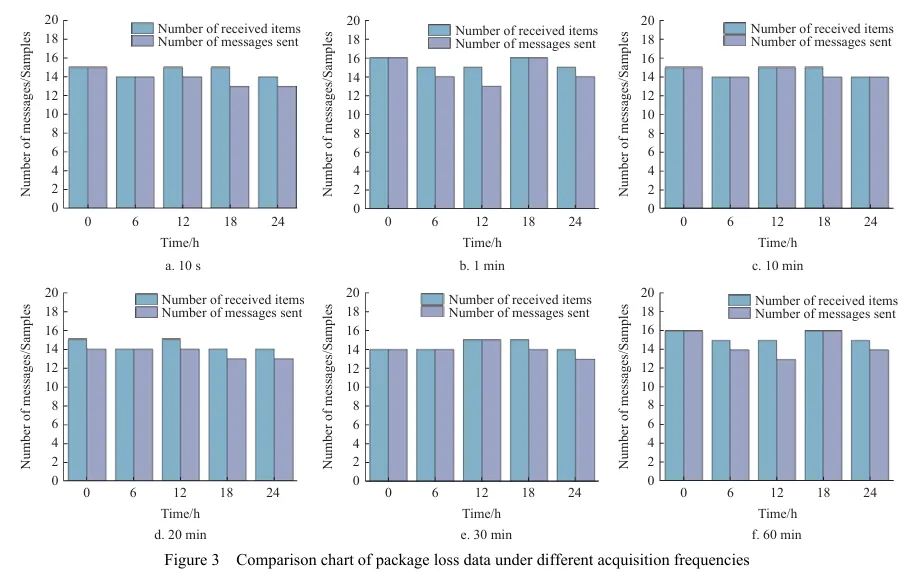
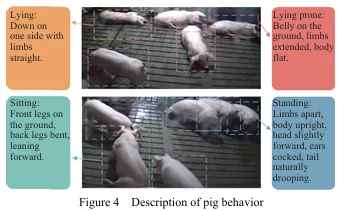
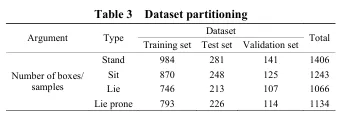
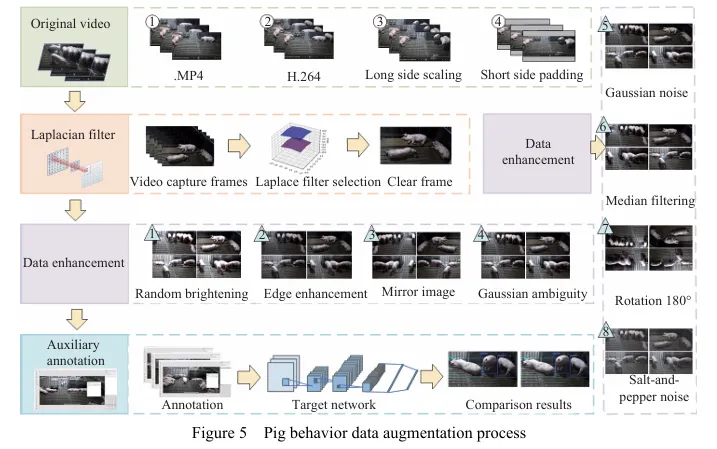
Abstract: Behavioral responses of group-housed pigs are strongly influenced by pigsty environmental conditions, yet their dynamic coupling is difficult to quantify under commercial farming scenarios. This difficulty arises from high inter-pig similarity, complex interactions, and rapidly changing environmental conditions, which pose significant challenges for existing vision-based multi-pig behavior detection and tracking methods. To address these challenges, this study proposes a PIG Net–based dynamic coupling analysis framework that integrates behavior detection, multi-pig tracking, and behavior environment interaction analysis. The model uses an EfficientRepBiFusion backbone with bidirectional feature fusion and a lightweight LSDGCD detection head, achieving mean Average Precision (mAP) of 93.5% for PIG YOLO on four pig behaviors—standing, dog-sitting, lateral lying, and prone lying. The integrated PIG-Net system achieves stable tracking performance with identification average rate (IDF1) of 90.7%, multiple object tracking accuracy (MOTA) of 88.6%, and a real time processing speed of 26 FPS, while environmental sensors continuously record temperature, humidity, and CO2 levels for long-term correlation analysis. Based on long-term monitoring, Pearson correlation analysis was applied to quantify the associations between pig behaviors and environmental factors, highlighting significant correlations with coefficients |r| ranging from 0.65 to 0.76. By combining these quantitative results with temporal and dimensionality reduction analyses, temperature, humidity, and CO2 were identified as the primary environmental drivers. Active behaviors decreased under elevated temperature and humidity and increased during cooler and drier periods, whereas prone lying and lateral lying increased under thermal and moisture stress. Elevated CO2 concentrations further suppressed activity, reflecting inhibitory effects of degraded air quality. These findings provide a quantitative basis for behavior-environment coupling assessment and early health warning in group-housed pigs.
Keywords: pig behavior detection, environmental dynamics, PIG-Net, behavior–environment coupling, animal welfare assessment
DOI: 10.25165/j.ijabe.20261901.10337
Citation:Zhang W, Zhang X Z, Shi Z X, Lin H, Gao Z, Shao M X, et al. Dynamic coupling analysis of group-housed pig behaviors and pigsty environmental factors based on the PIG-Net model. Int J Agric & Biol Eng, 2026; 19(1): 47–58.
END

点赞
收藏
分享


