6 in Spain
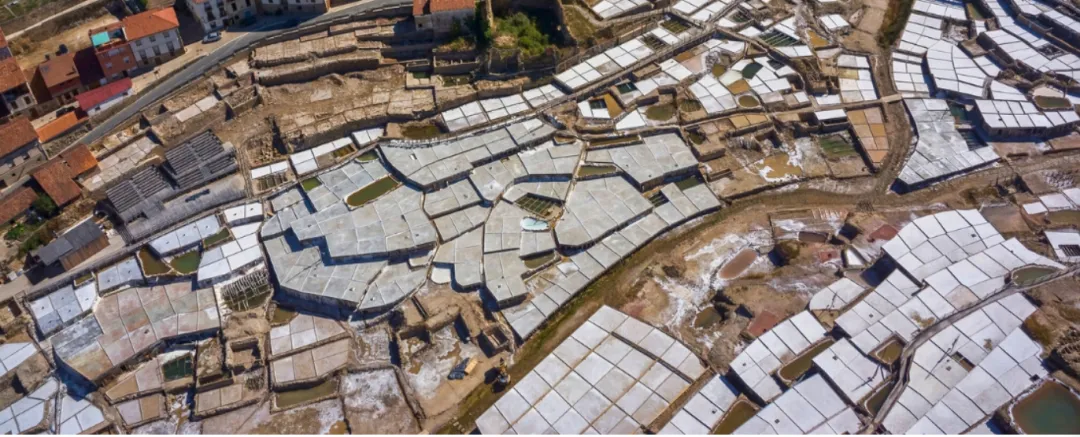
Valle Salado of Añana (Basque), sits on a giant salt bubble from a sea that disappeared millions of years ago. Salt water that emerges from springs are channeled by an ingenious system of canals to the wells and salt pans, by the force of gravity, where it evaporates to form salt.
阿纳纳(Añana,巴斯克语称Valle Salado)坐落在一处巨大的盐丘上,这片盐丘源自数百万年前消失的海洋。泉水涌出的盐水,通过巧妙设计的渠道系统借助重力被引导至井口和盐田,在那里蒸发结晶形成盐。
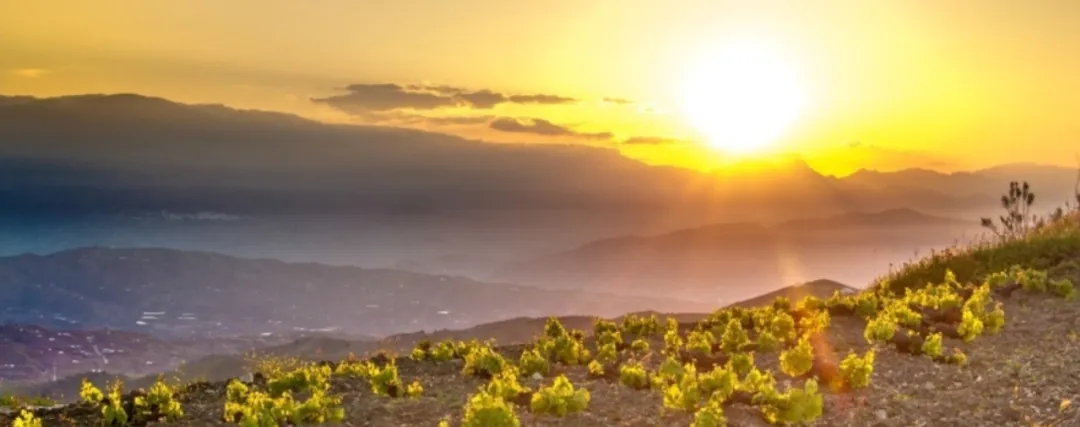
In the raisins production of La Axarquía (Málaga), traditional, manual and craft technologies are used in the cultivation, harvesting, grape drying process and removal of the grapes from the bunch. It is developed in areas of steep slopes without any other agricultural alternative, and maintains the landscape by preventing erosion and desertification processes.
在马拉加(Málaga)拉阿萨尔夸里亚(La Axarquía)的葡萄干生产中,整个种植、采收、葡萄晾干及摘粒过程都依赖传统的手工工艺与技艺。这种生产方式主要分布在陡峭山坡区域,这些地区几乎没有其他农业选择。通过这种方式,当地不仅得以持续生产优质葡萄干,也有效维护了景观,防止了水土流失和土地沙化。
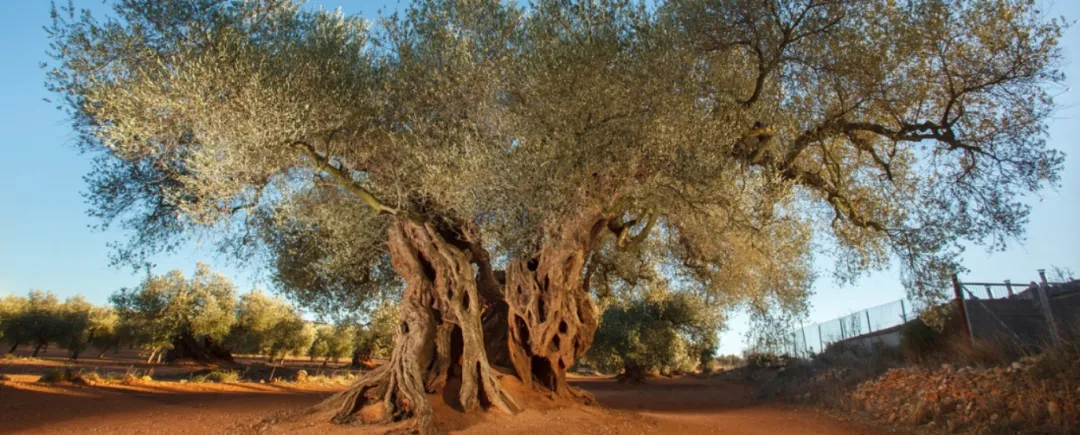
"Territorio Sénia" has the highest concentration of ancient olive trees in the world. The existence of 5 000 ancient olive trees of native varieties and related knowledge and tradition makes this territory unique, offering numerous opportunities for rural development, including the recovery of abandoned ancient olive trees and utilization for production.
“塞尼亚地区”(Territorio Sénia)拥有世界上最高密度的古老橄榄树群。该地区有约5000棵本地古老橄榄树,连同与之相关的传统知识,使其成为独一无二的区域。这不仅体现了丰富的文化遗产,也为乡村发展提供了多种机会,包括恢复被遗弃的古老橄榄树并加以利用进行生产。
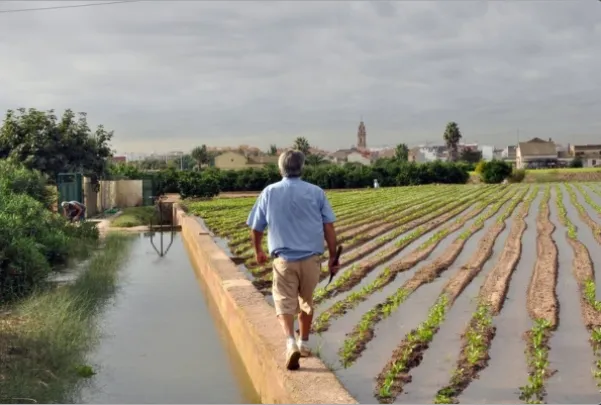
The waterscape has been created since the Islamic times more than 1,200 years ago, as a result of cultural adaptation to climate conditions and site features. The irrigation system contributed to avoid water scarcity and made possible mosaics of fruits and vegetables cultivation in this dry and densely populated costal area.
这一水景系统自伊斯兰时期已有1200多年历史,是当地文化对气候条件和地形特征适应的产物。灌溉系统有效缓解了水资源短缺,使得在这一干旱且人口密集的沿海地区能够形成果蔬栽培的多样化“拼花”农田景观。
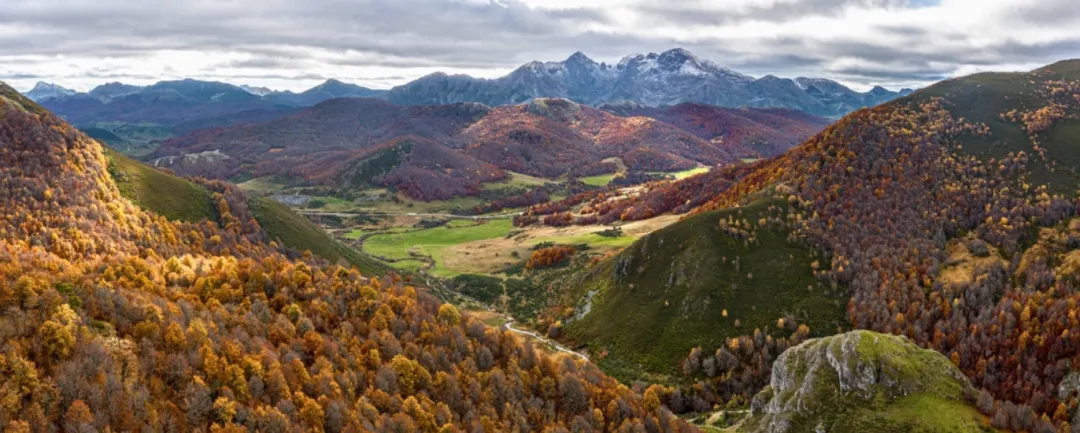
Agro-silvo-pastoral system of the Leon Mountains has been maintained for centuries, contributing to food security and the livelihoods of local communities. The diversity of land uses with forests (including chestnut groves, beech forests, birches, junipers, oak groves), pastures and areas under cultivation generates a space for coexistence of agriculture, livestock, forestry, gathering, hunting and fishing, giving the area great agro- ecological value.
莱昂山脉(Leon Mountains)的农林牧复合系统延续了数百年,为当地社区的粮食安全和生计提供了保障。该地区土地利用类型多样,包括森林(栗树林、山毛榉林、白桦林、杜松林、橡树林)、牧场以及耕地,为农业、畜牧业、林业、采集、狩猎和渔业的共存创造了空间,使该地区具有极高的农业生态价值。
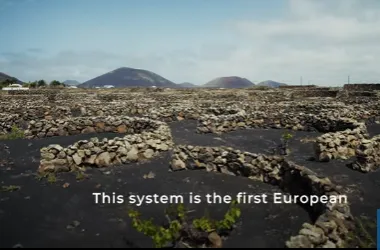
On the arid island of Lanzarote, where black volcanic fields evoke a lunar landscape, farmers have developed a striking agricultural system. Using volcanic lapilli (enarenado) and sea sand (jable) to capture moisture and protect the soil, they grow grapes, sweet potatoes, and legumes. This approach sustains biodiversity, livelihoods and cultural heritage in one of Europe’s driest regions, largely without irrigation
在干旱的兰萨罗特岛(Lanzarote),黑色火山熔岩覆盖的土地宛如月球表面,当地农民发展出一种独特的农业系统。他们利用火山小碎石(enarenado)和海沙(jable)捕捉水分、保护土壤,种植葡萄、甘薯和豆类作物。这种方法在欧洲最干旱的地区之一,实现了生物多样性保护、维持社区生计,同时传承了丰富的农业文化遗产,而且大部分情况下无需灌溉。
1 in Tajikistan
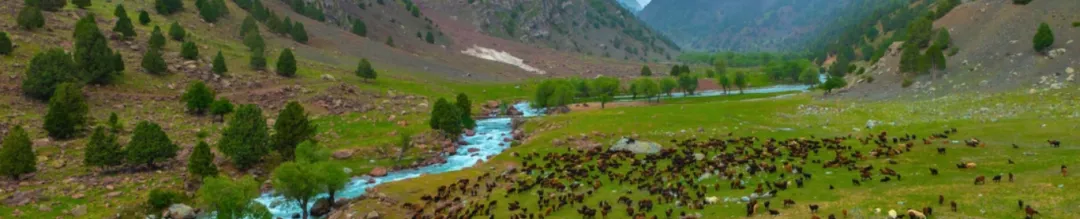
This integrated agropastoral system in Tajikistan’s Almosi Valley combines seasonal transhumance of sheep with the cultivation of grapes, cereals, orchards, and vegetables across harsh mountain landscapes. Shaped over centuries, it supports food and livelihood security, conserves agrobiodiversity, and preserves cultural heritage. Rooted in ancestral knowledge, it sustains resilient communities facing soil erosion, water scarcity, and climate variability.
塔吉克斯坦阿尔莫西山谷(Almosi Valley)的这一综合农牧系统,将季节性羊群转场放牧与葡萄、谷物、果园及蔬菜种植相结合,适应了严酷的山地环境。经过数百年的发展与塑造,该体系不仅保障了粮食与生计安全,还保护了农业生物多样性,并传承了深厚的文化遗产。
这一体系根植于世代相传的传统知识,在应对土壤侵蚀、水资源匮乏以及气候变化等挑战方面,支撑着当地社区形成具有韧性的生产与生活方式。
2 in Portugal
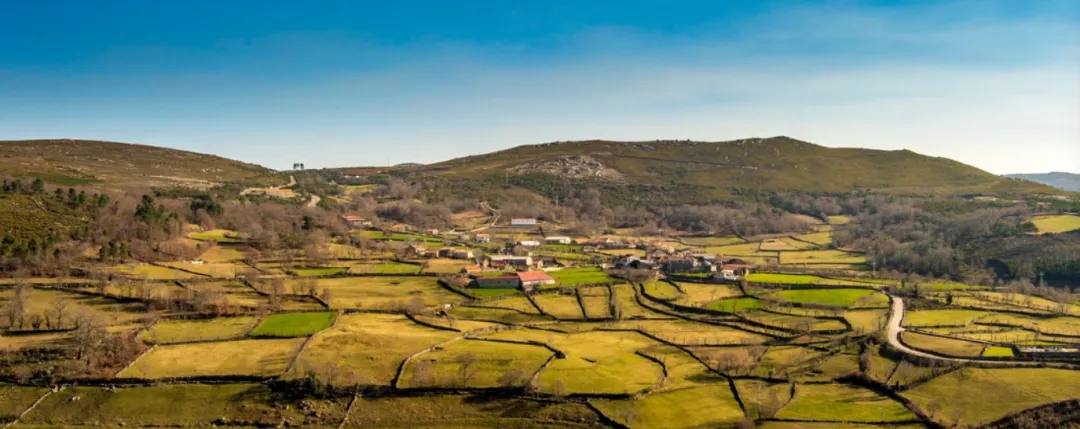
Barroso is an agricultural region dominated by livestock production (mainly bovines) and crops that are typical of mountainous regions (mostly potato and rye). With human occupation for thousands of years, this area of Northern Portugal presents a pattern of land occupation marked by human activity for agriculture, forestry and grazing.
巴罗索(Barroso)是一个以畜牧业(主要为牛类养殖)为主的农业地区,同时种植典型的山地作物(以马铃薯和黑麦为主)。该地区已有数千年的人类居住历史,位于葡萄牙北部,其土地利用格局深受人类长期从事农业、林业与放牧活动的影响,呈现出鲜明的人地互动特征。
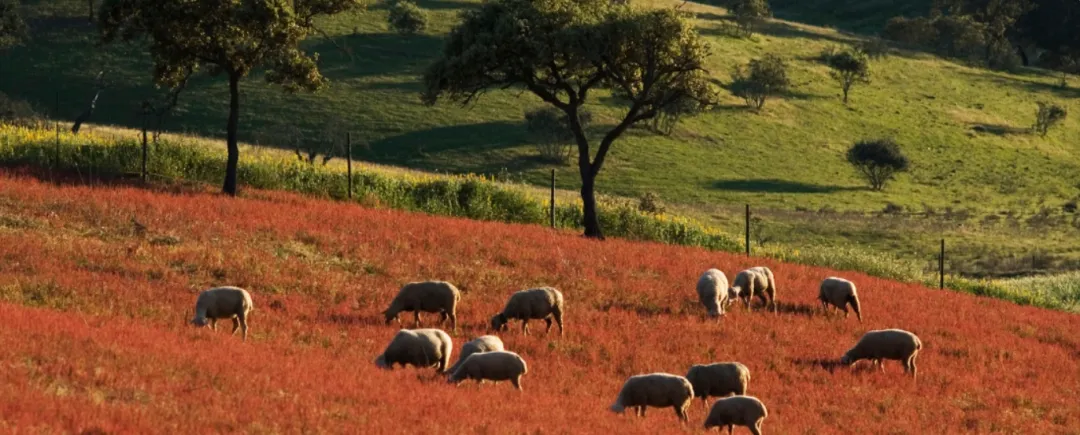
In southern Portugal, the Montado da Serra de Serpa stands out as one of Europe’s oldest agrosilvopastoral systems, where cork and holm oak woodlands are managed with remarkable ecological awareness. Through low-intensity and extensive grazing, dryland farming, and forest stewardship, communities have shaped a multifunctional landscape that conserves biodiversity, sustains rural economies, and embodies a Mediterranean model of climate resilience and land restoration.
在葡萄牙南部,塞尔帕山地蒙塔多体系(Montado da Serra de Serpa)被认为是欧洲最古老的农林牧复合系统之一。在这一体系中,软木栎与冬青栎林地以高度的生态意识加以经营和管理。
通过低强度、粗放式放牧,旱地农业耕作以及森林抚育,当地社区塑造出一种多功能景观:既保护了生物多样性,维系了乡村经济,也体现出地中海地区在气候韧性与土地修复方面的典型模式与实践智慧。
(编辑内容来自粮农组织)
 10个月宝宝每天需要喝多少奶粉?