OCMA每周精选|数字技术与小规模渔业适应性研究
- 2026-09-07 09:10:07
点击蓝字
关注我们
文章发表于
Ocean and Coastal Management275 (2026) 108071
文章链接:
https://www.sciencedirect.com/science/article/pii/S0964569125005344
文章标题:
Digital technologies and the study of adaptation in small-scale fisheries
文章导读
研究通过开发一款基于手机的数字经济实验游戏,模拟渔民在环境冲击下的捕捞决策,探讨数字工具在小规模渔业适应行为研究中的可行性。结果显示,数字实验虽参与率较低(转化率仅0.43%),但所观察到的行为模式与线下实验一致:玩家随时间减少捕捞,且在面临资源突发损失时进一步降低捕捞强度。关键发现是,仅告知风险不足以引发行为适应,而实际经历冲击后玩家才会显著调整策略,且适应行为短暂。研究表明,数字实验具有成本低、可扩展的潜力,但也存在样本代表性有限、社交互动缺失等局限,未来可通过激励设计和长期推广提升其应用价值。
文章摘要
经济实验在深化我们对人类在社会-环境耦合系统中适应行为的理解方面取得了重要进展。然而,此类实验成本高昂,限制了其实施规模,甚至影响了实验结果的外部有效性。数字技术为大规模开展经济实验提供了巨大潜力,但该方法尚未得到充分验证。本文评估了利用移动计算平台(智能手机、平板电脑和计算机)实施数字经济实验的可行性,该实验旨在收集参与者对环境冲击的反应。为此,我们开发了经典自然资源采伐游戏的数字版本,该游戏以可再生公共资源为特征,通过反复迭代进行采伐。我们记录了3369次与推广材料的交互,共产生740轮游戏;其中仅11名玩家参与了基准组与干预组游戏。研究表明,数字实验中玩家行为与文献记载的渔民线下游戏反应具有本质相似性。此外,探索性分析表明:仅告知冲击风险不足以促使玩家适应,必须让玩家亲历冲击事件。数字实验为适应性研究提供了新路径,但该方法本身存在局限性。针对当前局限性,特别是通过制定参与者互动策略,为广泛应用此方法以理解并指导适应变化提供了契机。
原文信息
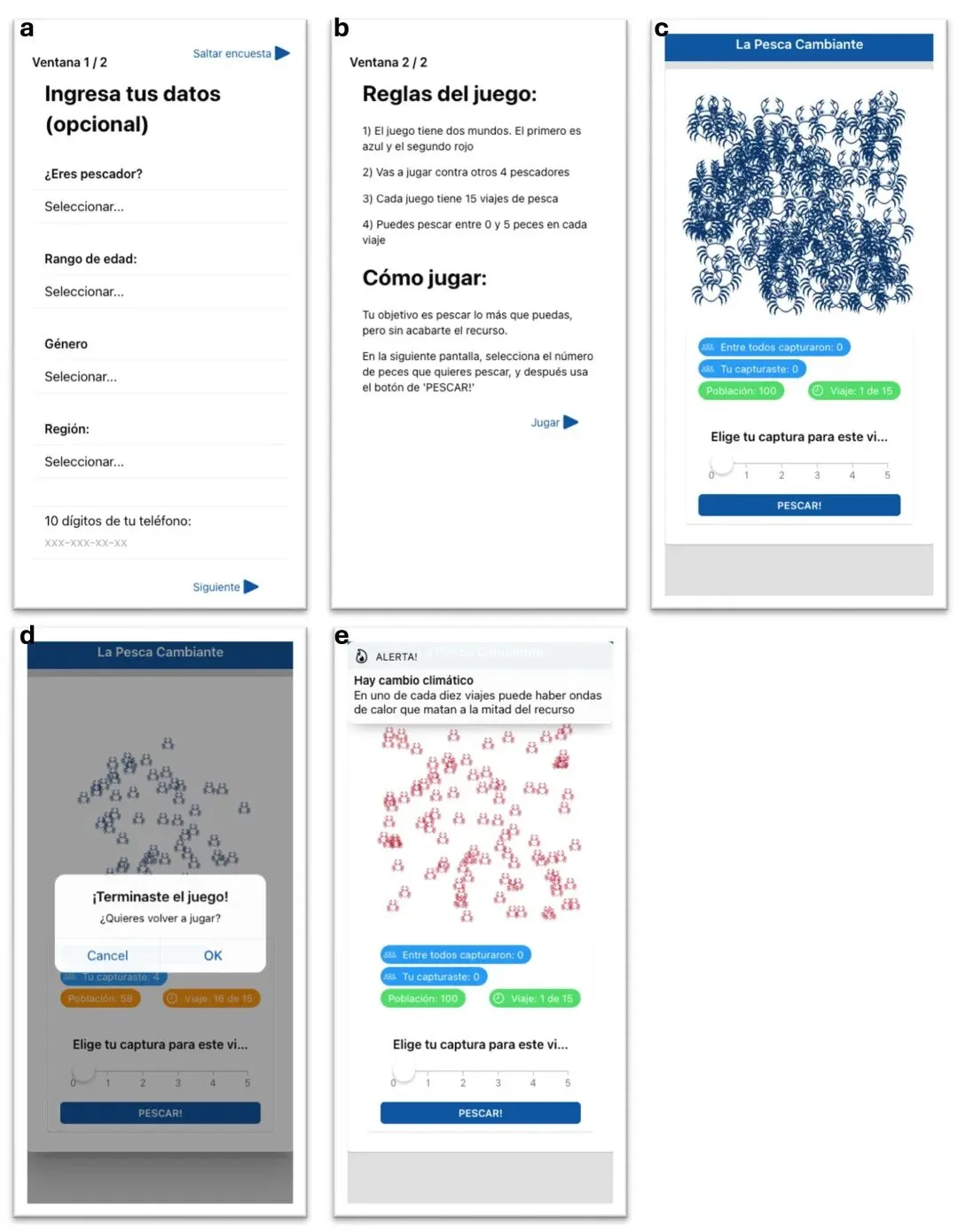
图1.数字应用的五张截图
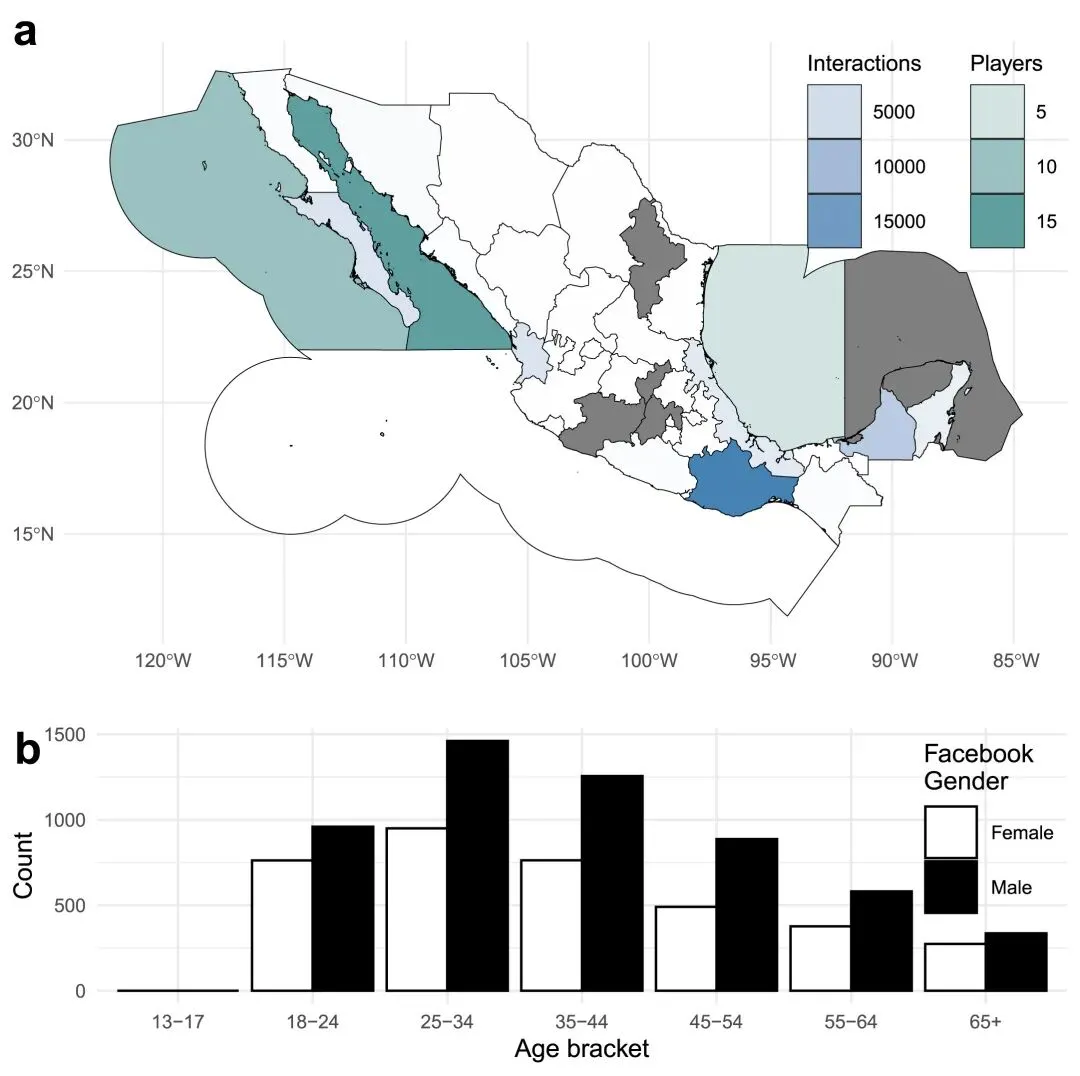
图2.与Facebook帖子互动的地理和人口分布
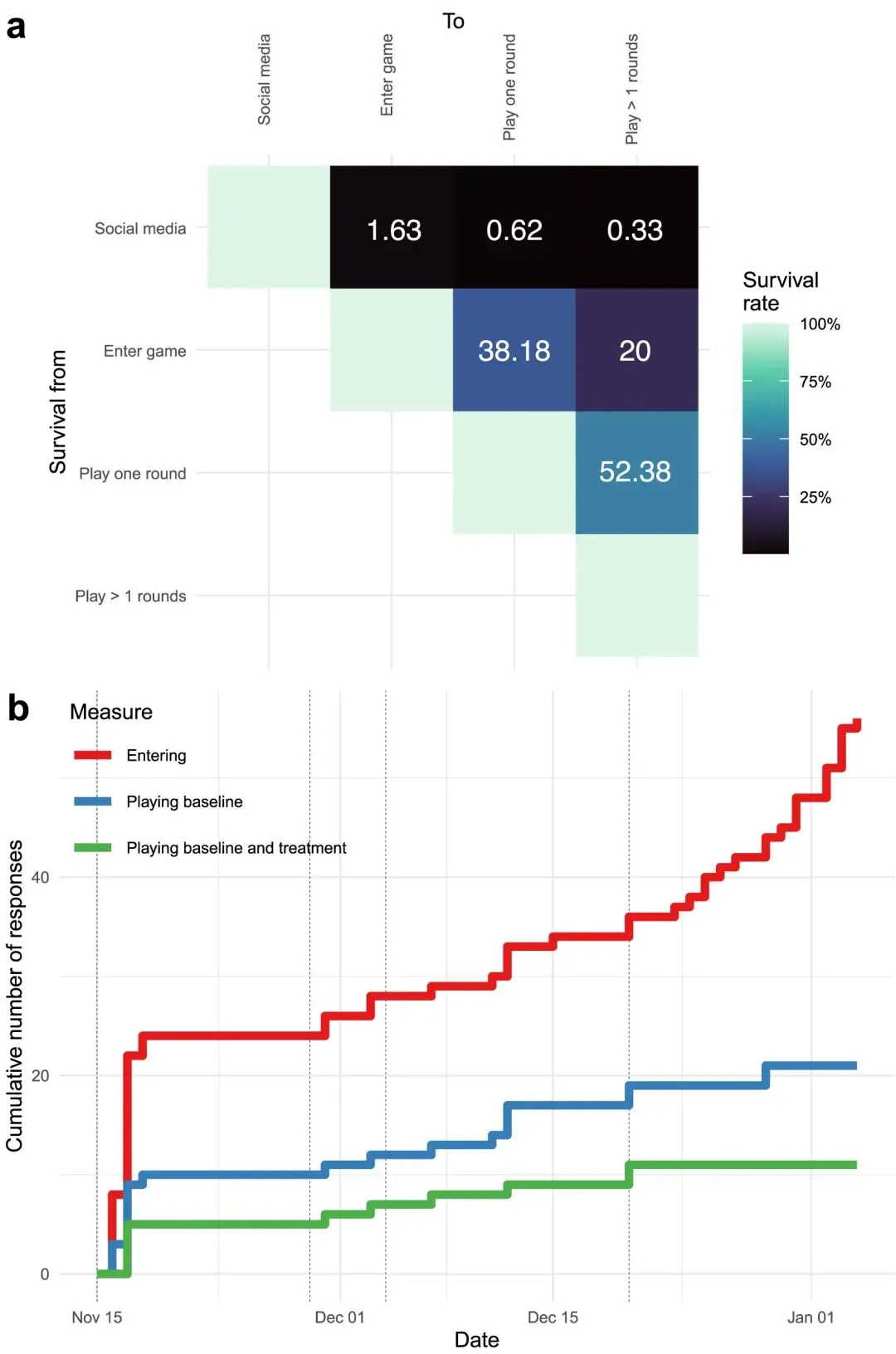
图3.用户交互和采样过程中的瓶颈
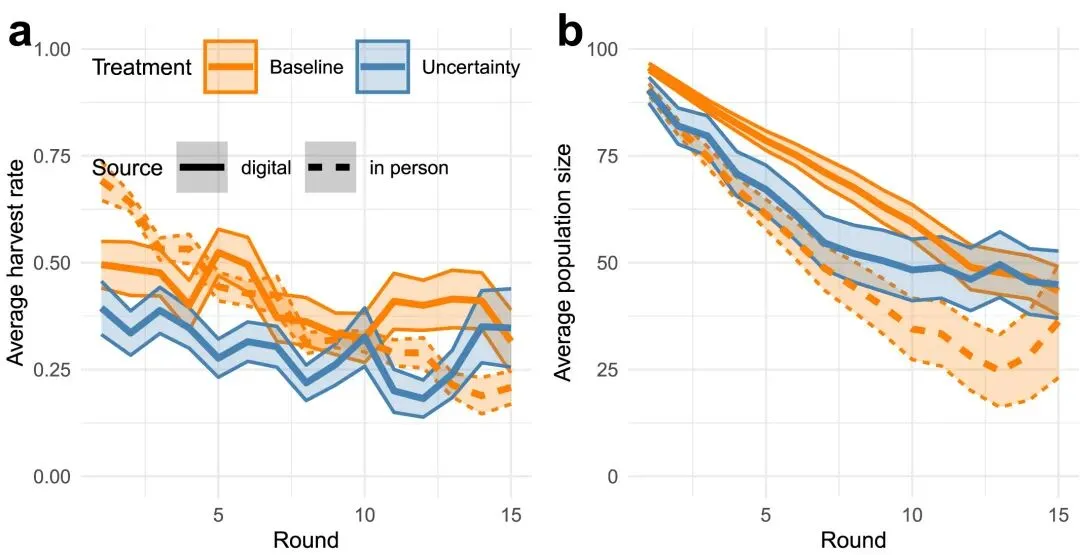
图4.比较Finkbeiner等人原始实验中的状态变量与数字实验
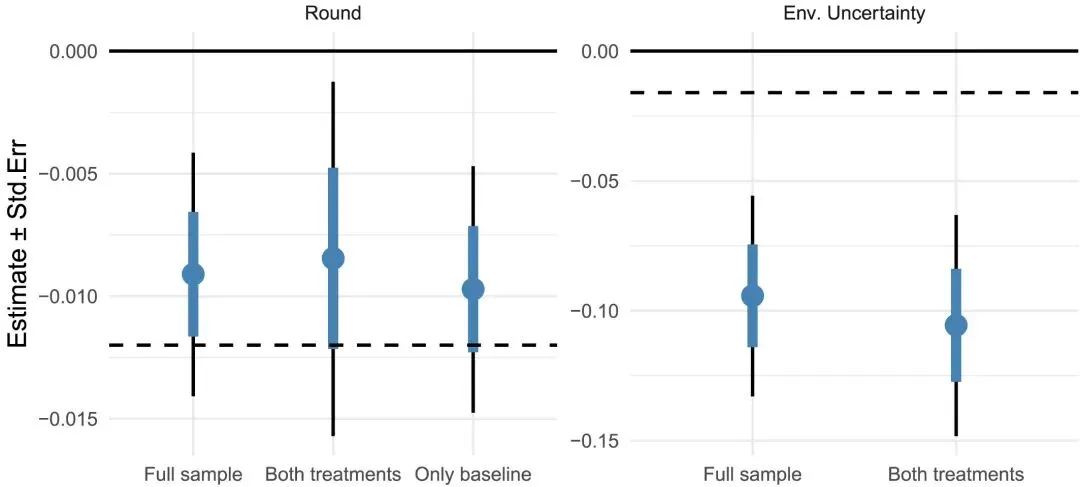
图5.来自数字实验的系数估计
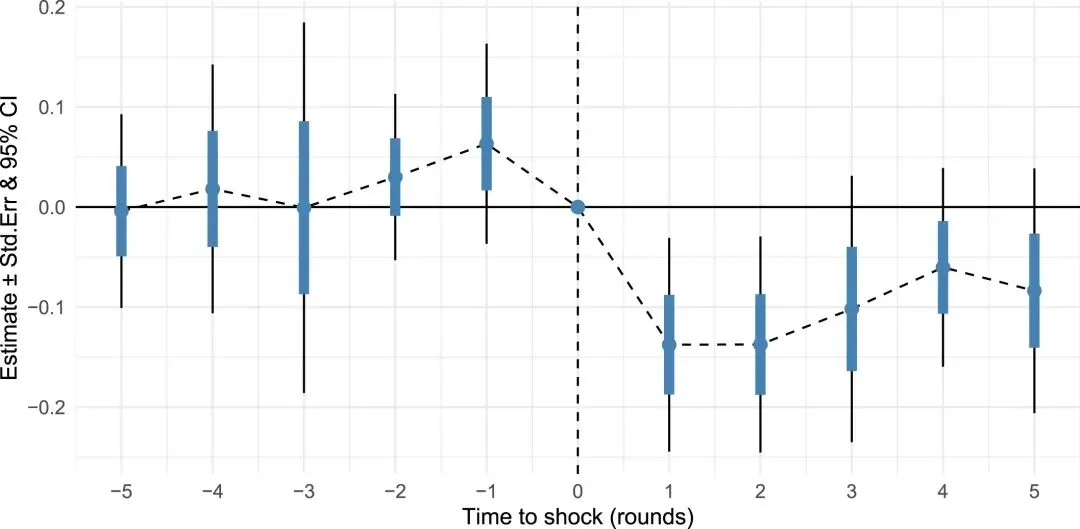
图6.事件研究图,显示捕获率随冲击时间的变化
ABSTRACT
Economic experiments have led to important advances in our understanding of human adaptation in coupledsocial-environmental systems. However, these experiments may be costly, which limits their scale and even theexternal validity of their results. Digital technologies offer great potential to deploy economic experiments atscale, but this approach remains largely untested. Here, we evaluate the feasibility of using mobile computingplatforms (smartphones, tablets, and computers) to deploy digital economic experiments that collect players’response to environmental shocks. To do so, we developed a digital version of a well-studied natural resourceharvesting game characterized by a renewable common-pool resource harvested in repeated iterations. Werecorded a total of 3369 interactions with the outreach material, which led to a total of 740 rounds played;Only 11 players participated in the baseline and treatment games. We show that players’ behavior during digitalexperiments was qualitatively similar to responses observed during in-person games with fishers reported inthe literature. Additionally, our exploratory analysis suggests that information about the risk of a shock is notenough to induce adaptation by players and that experiencing the shock is needed. Digital experiments providean alternative path to study adaptation, but the approach presents its own limitations. Addressing the currentlimitations, particularly through strategies for engaging players, presents an opportunity for broad applicationof this approach to understand and inform adaptation to change.
Highlights
Climate hazards
Adaptation
Climate change
Social-ecological systems
Human dimensions of environmental change
推荐阅读
官宣!Ocean & Coastal Management 最新Aims & Scope
本期编辑
深圳大学研究生 杜梓佳
研究方向:国际海事发展治理

随机文章
-
 10个月宝宝每天需要喝多少奶粉?
- 想吃好一口好饭饭,找福喜惠农业.186630955
- 十四五中国农业技术推广协会在陈会长带领下
- 一图读懂丨农业设施和畜禽活体如何抵押融资
- 2026年江西农业工程职业学院单独招生考试大纲及样卷
- 零碳能源|生物天然气机遇:农业废弃物集中处理工程CCER项目解析
- “四链融合”背景下现代农业产业学院建设探索与实践
- 农业技术 | 棉花叶片上破洞多,是它在搞鬼!
- 事业单位!北京市平谷区农业中关村发展中心2026年度公开招聘!
- 浙江省农业科学院张作法副研究员阐明珊瑚状猴头菌杂多糖HCP-2b的结构表征及其通过调节肠道菌群和PI3K/Akt信号通路的降血糖机制
- 智慧农业|多光谱与高光谱分析:隐性疾病与胁迫的早期发现