AWM|美国灌溉农业:现状与未来发展方向
- 2026-10-16 10:29:30
播客文本在最后部分
期 刊:Agricultural Water Management
论文标题:Irrigated agriculture in the United States: Current status and future frontiers
第一作者:Ivo Zution Gonçalves
通讯作者:Ivo Zution Gonçalves(ivo.zution@gmail.com)
第一单位:美国内布拉斯加大学道格蒂全球粮食水资源研究所
发表时间:2026.3.26
原文链接: https://doi.org/10.1016/j.agwat.2026.110319
文末点击“阅读原文”查看原文
摘 要
本文通过文献综述系统梳理美国灌溉农业发展现状、区域差异与长期演变规律,聚焦作物种植结构、灌溉用水与地下水消耗、气候变化耦合关系,以及政策与先进节水技术的应用成效。研究依托 2003—2023 年美国农业部农业普查、农田图层、全美灌溉数据集等多源数据,结合地理信息技术开展量化分析。结果显示:加利福尼亚、内布拉斯加、阿肯色、得克萨斯、爱达荷五州灌溉耕地占全美灌溉总面积 50%;美国灌溉用地整体呈现由西部干旱区向东部湿润区迁移的变化趋势。当前美国灌溉面临地下水超采、用水管控不足、法规约束、社会经济多重难题,亟需在缺水脆弱区完善地下水管控政策与监测体系,推动小农户普及先进灌溉技术,缓解地下水损耗、提升气候变化背景下农业抗旱韧性。
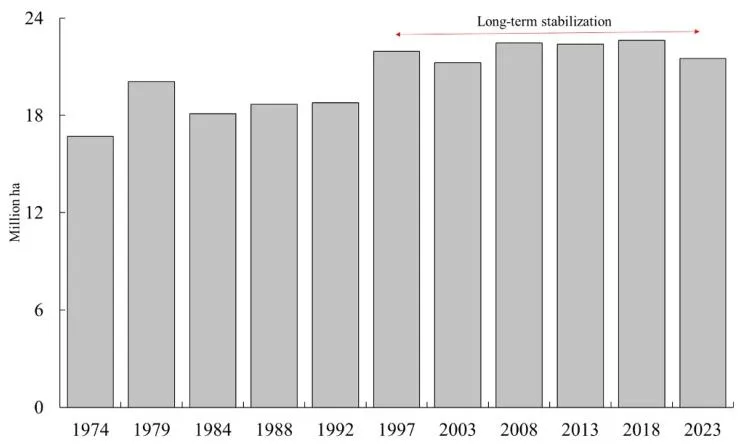
图 1:1974—2023 年美国灌溉总面积变化
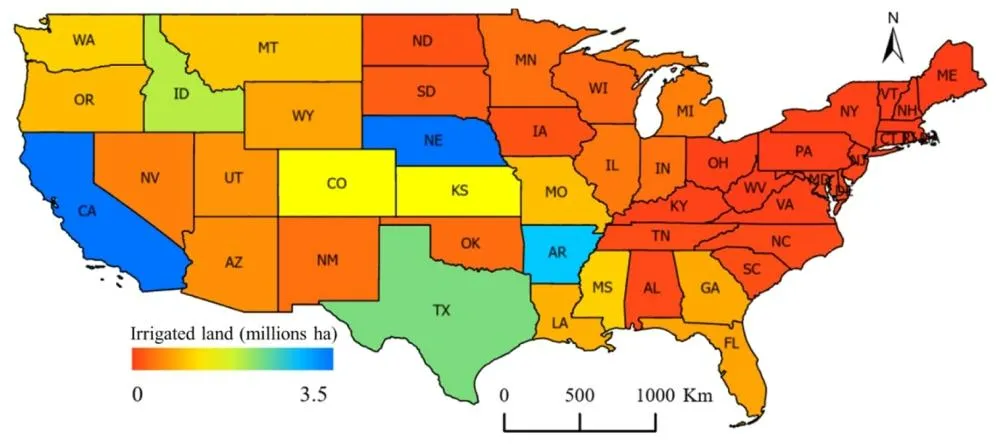
图 2:2023 年美国各州灌溉土地空间分布图
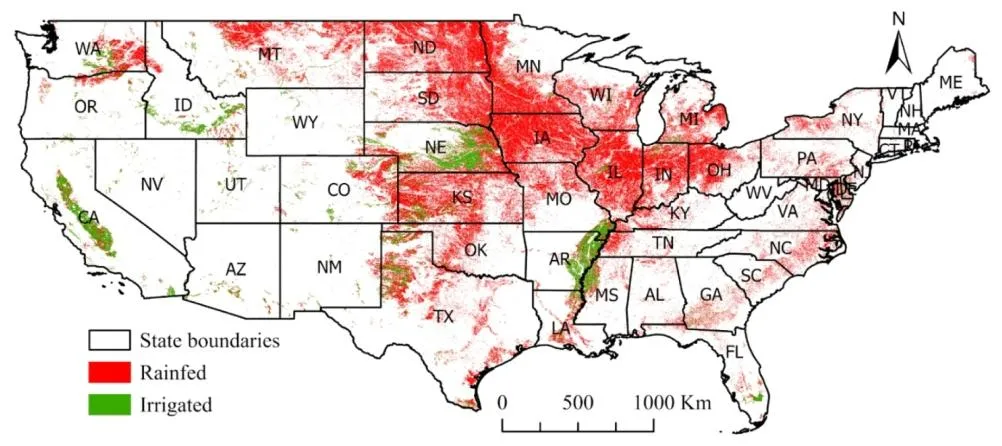
图 3:2023 年美国灌溉农田与雨养农田空间分布
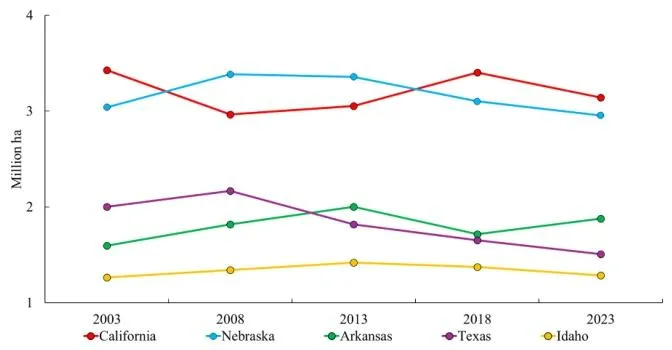
图 4:2003—2023 年美国五大灌溉州灌溉面积时序变化

图 5:2003—2023 年五大灌溉州灌溉面积占本州耕地总面积比值变化
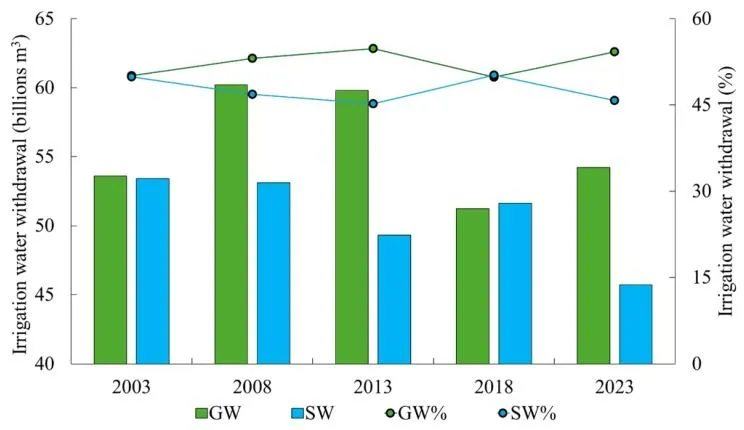
图 6:2003—2023 年美国地下水、地表水灌溉取水量变化
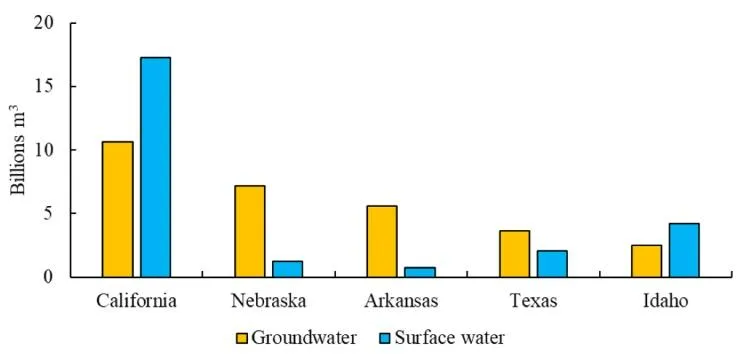
图 7:2023 年五大灌溉州地下水与地表水灌溉用水量
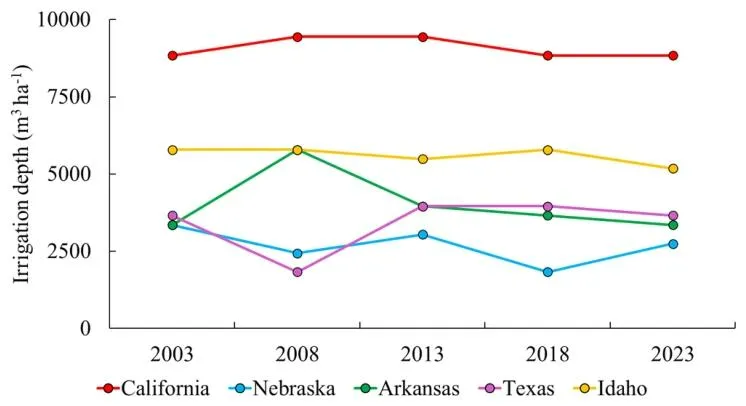
图 8:2003—2023 年五大州单位面积灌溉定额变化
 图 9:2003—2023 年美国五大灌溉作物种植面积时序变化
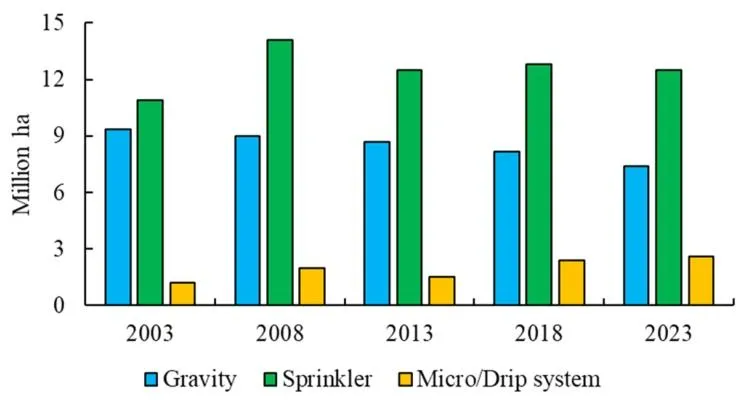 图 10:2003—2023 年美国地面灌溉、喷灌、微滴灌三类灌溉方式面积演变
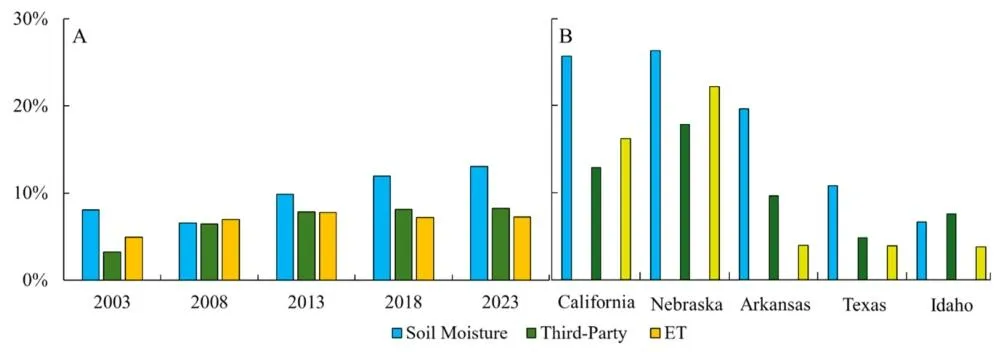
图 11:(A)全美不同灌溉管理方式历年占比变化;(B)2023 年五大州先进灌溉技术应用占比(土壤墒情监测、作物蒸散指导灌溉、第三方管护)
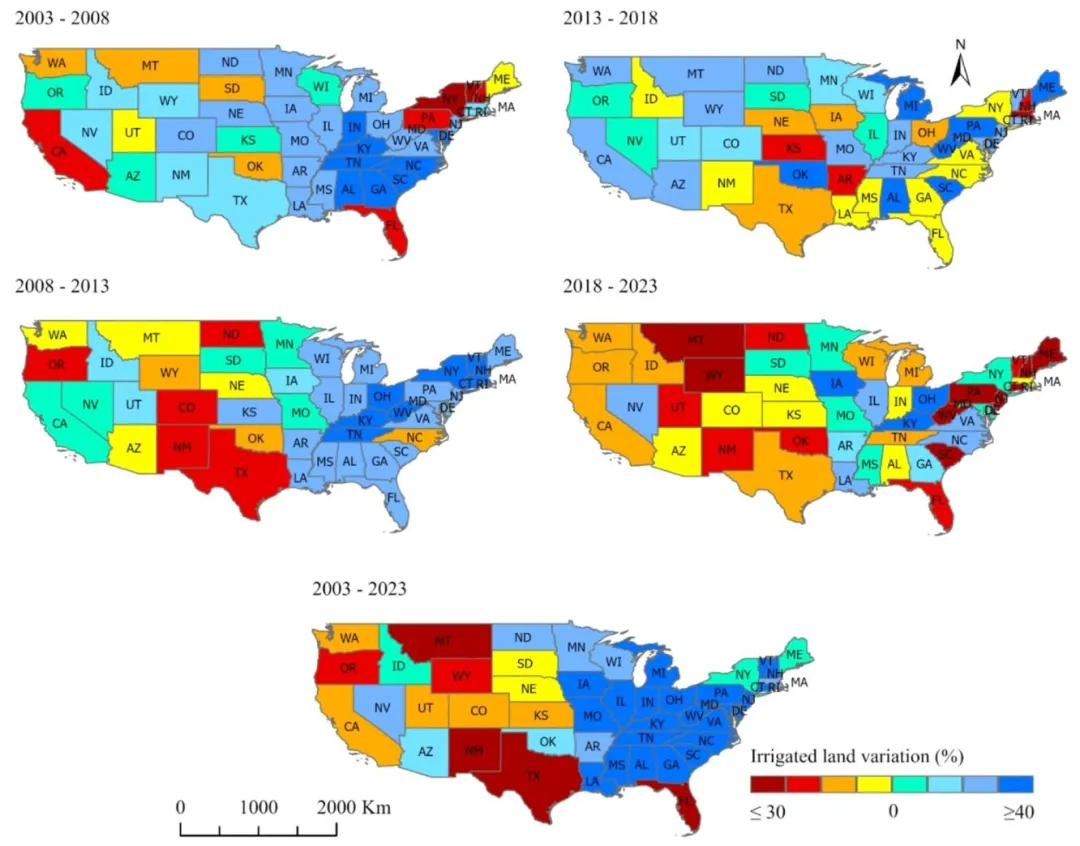
图 12:2003—2023 年美国分时段灌溉耕地空间增减变化
往期内容
AWM|咸水结冰灌溉下土壤水盐运移特征:基于同位素示踪与相分析的视角
播客文本
播客脚本
John: Hey everyone, welcome back to our podcast. Today we're diving into something that's way more important than you might think—irrigation in the US. Emma, have you ever stopped to wonder how all those fields of corn, wheat, and veggies stay green, especially when it's been weeks without rain?
Emma: Oh, totally! I've driven through those vast farmlands in the Midwest before and always thought, "How on earth do they keep all that alive?" It feels like magic sometimes, right?
John: It might seem like magic, but it's actually a super complex system that's been evolving for decades. Let me start with the basics: right now, about 55% of all the freshwater used in the US goes to irrigation. That's more than households, industry, and everything else combined.
Emma: Wait, 55%? That's a huge chunk! I had no idea irrigation was that thirsty. Where does all that water even come from?
John: Great question! Most of it comes from groundwater—like those massive underground aquifers you might have heard about, especially the Ogallala Aquifer in the Great Plains. But surface water from rivers, lakes, and reservoirs is also a big source. The thing is, these sources are under more stress than ever.
Emma: Stress? What do you mean? Is the water running out?
John: Well, not exactly running out, but we're using it way faster than it can be replenished. The Ogallala Aquifer, for example, has dropped by more than 100 feet in some areas since we started pumping from it heavily in the 1950s. And with climate change making droughts longer and more severe, that problem's only getting worse.
Emma: That sounds really worrying. So what are farmers doing about it? Are they just pumping more water, or are there smarter ways?
John: Oh, there are definitely smarter ways now. A lot of farmers are switching to more efficient irrigation systems. Like, instead of using those old sprinklers that spray water everywhere—wasting a ton to evaporation—they're using drip irrigation. That's where water is delivered directly to the plant roots, drop by drop. It can cut water use by 30 to 50%.
Emma: Drip irrigation? That makes so much sense! Why didn't they start doing that earlier?
John: Well, cost is a big factor. Drip systems are more expensive to install upfront, especially for big farms. But over time, the water savings make up for it. Plus, some states are offering subsidies to help farmers make the switch. Another thing is precision agriculture—using sensors and data to figure out exactly when and how much water each plant needs.
Emma: Sensors? Like, little devices in the soil that tell the farmer when it's dry? That's pretty high-tech for farming, isn't it?
John: It is, but it's becoming more common. These sensors can measure soil moisture, temperature, even nutrient levels. Then the farmer can adjust irrigation automatically, so they're not watering when the soil's already wet. And some farmers are using drones to fly over their fields and spot areas that need more water. It's like giving the farm a check-up from above.
Emma: That's amazing! So technology is really helping here. But what about the crops themselves? Are we growing crops that need less water?
John: Absolutely! Plant breeders have been developing drought-resistant varieties of corn, soybeans, and other staple crops. These crops can survive with less water and still produce a decent harvest. For example, some new corn varieties use 20% less water than traditional ones. And there's even research into crops that can grow using saltwater, which would be a game-changer for coastal areas.
Emma: Saltwater crops? That sounds like something out of a sci-fi movie! But seriously, if that works, it could solve so many water problems. But wait, is all this enough? Are we doing enough to fix the irrigation crisis?
John: Hmm, that's the million-dollar question. We're making progress, but there's still a long way to go. A lot of farmers still use old, inefficient systems, especially smaller ones that can't afford to upgrade. And even with all the new tech, we're still using more water than we should in some areas. Plus, climate change is throwing a wrench in everything—droughts are getting worse, and rainfall patterns are shifting.
Emma: So what can regular people do to help? I mean, we're not farmers, but is there something we can do?
John: Oh, definitely! One of the biggest things is to be more mindful of the food we eat. A lot of the water used in irrigation goes into producing the food on our plates. For example, it takes about 1,800 gallons of water to make a single pound of beef. So cutting back on meat, especially red meat, can make a big difference. Also, eating locally grown food reduces the water used for transportation, and avoiding food waste is huge—every bite we throw away is wasted water too.
Emma: Wow, I never thought about it that way. So my dinner choices actually affect irrigation water use? That's eye-opening.
John: It sure does! And another thing is supporting policies that promote water conservation. Like, voting for politicians who prioritize protecting aquifers and funding irrigation efficiency programs. Or supporting organizations that help small farmers upgrade their irrigation systems.
Emma: That makes sense. So it's not just up to farmers and scientists—we all have a role to play.
John: Exactly! Irrigation is something that affects every single one of us, whether we realize it or not. It's how we get most of our food, so keeping that system sustainable is crucial. And the good news is, we have the tools and the knowledge to make it happen. We just need to act.
Emma: Well, this has been really informative. I feel like I understand irrigation in the US so much better now, and also what I can do to help. Thanks for breaking it down for me, John.
John: Anytime, Emma! I'm glad you found it interesting. And to all our listeners, if you have questions or want to share your thoughts on irrigation, leave a comment below. We'd love to hear from you.
Emma: Yeah, definitely! And remember, every small step counts. Thanks for listening, everyone. We'll catch you next time.
John: See you then!
随机文章
-
 10个月宝宝每天需要喝多少奶粉?
- 【JUE】农业加工产业的溢出效应:来自甜菜糖产业的证据
- 国务院关于印发《加快农业农村现代化“十五五”规划》原文
- 农业农村现代化建设 推进农业强国建设
- 川东北“迎来新机”,这座传统农业市晋升文旅先锋,前景广阔!你认识吗
- 生物技术通报 | 吉林农业大学杨利民团队—根际微生物组防控药用植物病害研究进展
- 【最新消息】《现代农业科技》2026年第10期目录,现在录用稳,职称评审加分!赶紧投!
- 从农业大省到投资热土,柬埔寨这个省份正在悄悄改变
- 最高专业608分,华中农业大学2025年在安徽省各专业录取分
- 10元一亩的无人机飞防“抢破头”,智慧农业真能解放老农民?
- 区农业农村局组织全体党员干部参观廉政教育基地