Plant Biotechnology Journal., 15 Apr 2026
Transcriptional Regulation of the Novel Theacrine Synthase Gene CsTcS2 by the CsTINY–CsWRKY33 Module Underpins Theacrine Biosynthesis in Camellia sinensis
Author
Wu T, Zhu L, Shao C…Liu Z*, Tian N*, Liu S*.
*: State Key Laboratory of Tea Plant Germplasm Innovation and Resource Utilization, Hunan Agricultural University, Changsha, China
Abstract
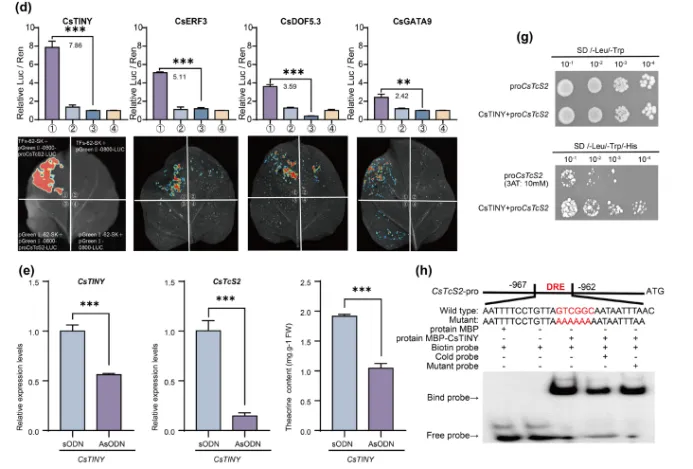
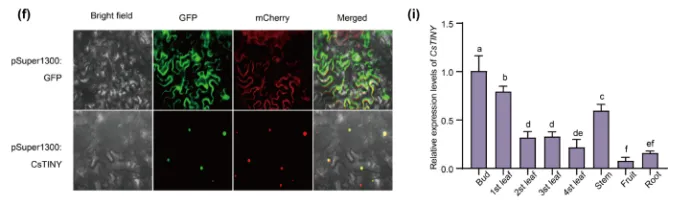
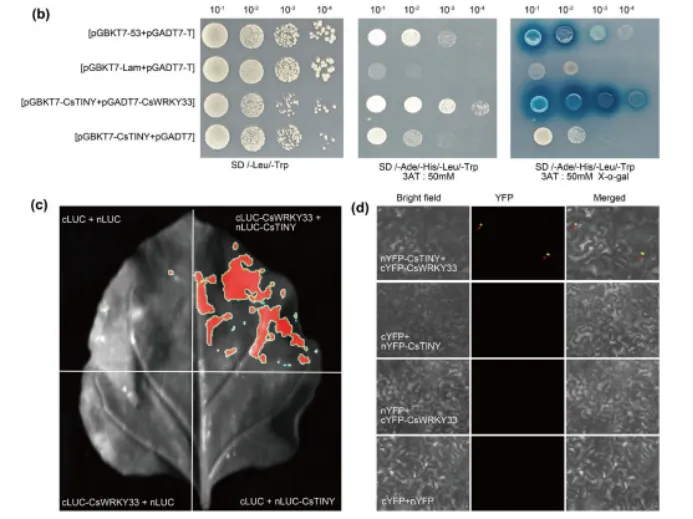
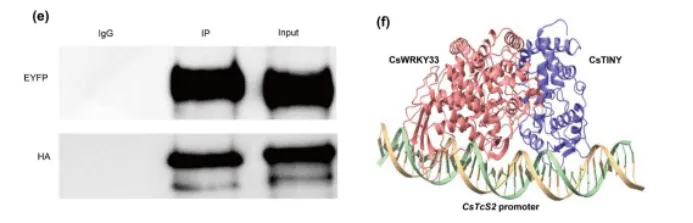
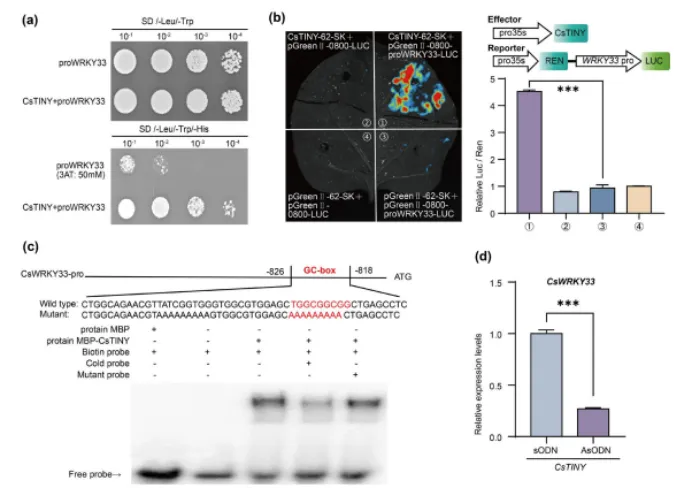
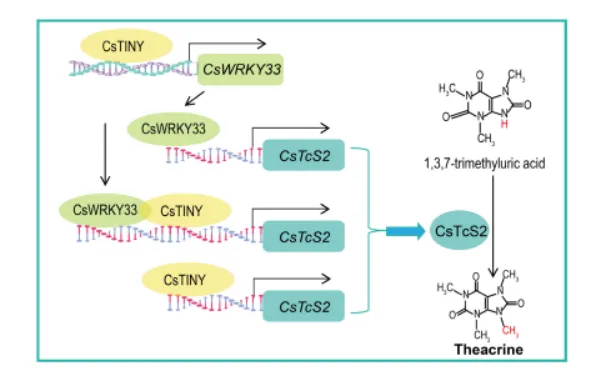
Theacrine (1,3,7,9-tetramethyluric acid) is a purine alkaloid detected in multiple wild and specialised tea germplasms (Camellia sinensis) from South China, including Kucha. However, the molecular mechanisms governing its biosynthesis remain poorly understood. Here, we identify CsTcS2 as a novel theacrine synthase in tea plant. Functional assays involving heterologous expression in Nicotiana benthamiana, antisense oligonucleotide-mediated gene silencing, transient overexpression in tea plants and co-expression with caffeine dehydrogenase (CsCDH) confirm its catalytic role in converting caffeine to theacrine. Transcription factors CsTINY and CsWRKY33 directly bind the CsTcS2 promoter and activate its transcription, as demonstrated by yeast one-hybrid, dual-luciferase reporter and electrophoretic mobility shift assays. Further molecular docking, yeast two-hybrid, bimolecular fluorescence complementation, luciferase complementation, co-immunoprecipitation and antisense inhibition experiments reveal a synergistic interaction between CsTINY and CsWRKY33 that regulates CsTcS2 expression and thus controls theacrine biosynthesis. Together, our findings unravel the transcriptional regulatory network underlying theacrine biosynthesis and provide a molecular foundation for breeding tea cultivars with elevated theacrine levels for health-promoting applications.





 10个月宝宝每天需要喝多少奶粉?