2015年10月,“浙江仙居古杨梅群复合种养系统”被列入第三批“中国重要农业文化遗产”;同年,仙居县开始谋划申报“全球重要农业文化遗产”。2017年,仙居县与南京农业大学中国农业遗产研究室展开合作,对这一复合种养模式进行系统性研究。2019年,该系统被列入“全球重要农业文化遗产”预备名单。2023年9月,联合国粮农组织全球重要农业文化遗产科学咨询小组专家对仙居古杨梅群复合种养系统进行了考察;同年11月,“浙江仙居古杨梅群复合种养系统”被认定为“全球重要农业文化遗产”。In October 2015, the “Zhejiang Xianju Ancient Waxberry Composite Farming System” was included in the third batch of China Nationally Important Agricultural Heritage Systems (China-NIAHS). In the same year, Xianju County initiated the application process for recognition as a Globally Important Agricultural Heritage System (GIAHS).In 2017, Xianju County began cooperation with the China Agricultural Heritage Research Office of Nanjing Agricultural University to carry out systematic research on this composite farming model.In 2019, the system was placed on the GIAHS candidate list.In September 2023, experts from the FAO GIAHS Scientific Advisory Group conducted a field evaluation of the Xianju Ancient Waxberry Composite Farming System. In November of the same year, the “Zhejiang Xianju Ancient Waxberry Composite Farming System” was officially designated as a Globally Important Agricultural Heritage System (GIAHS).
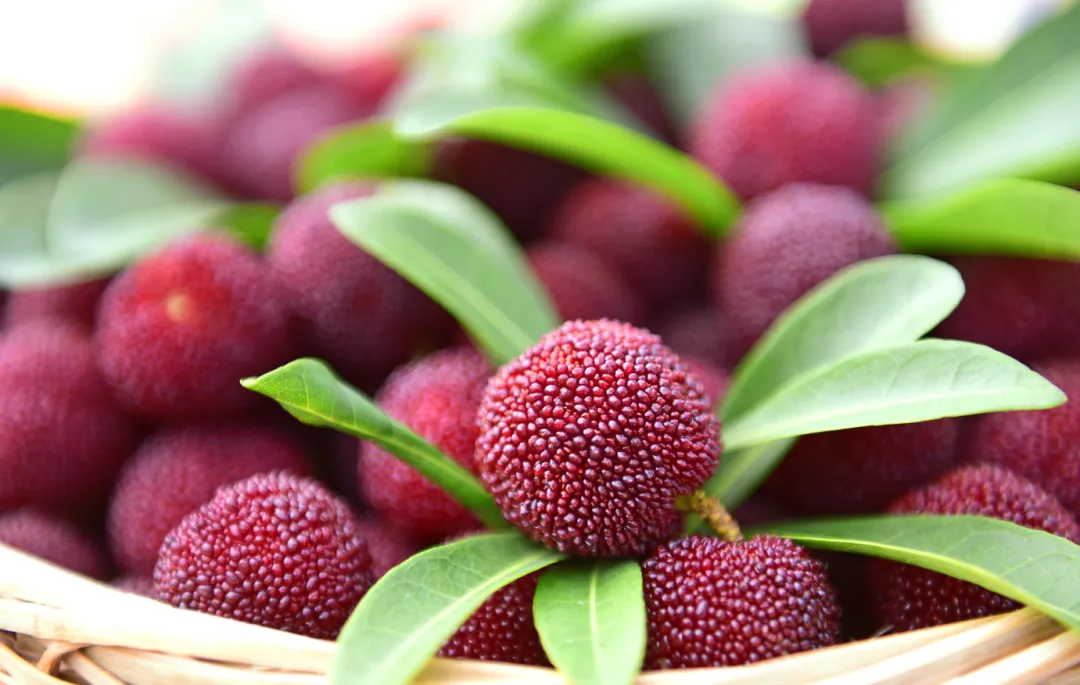
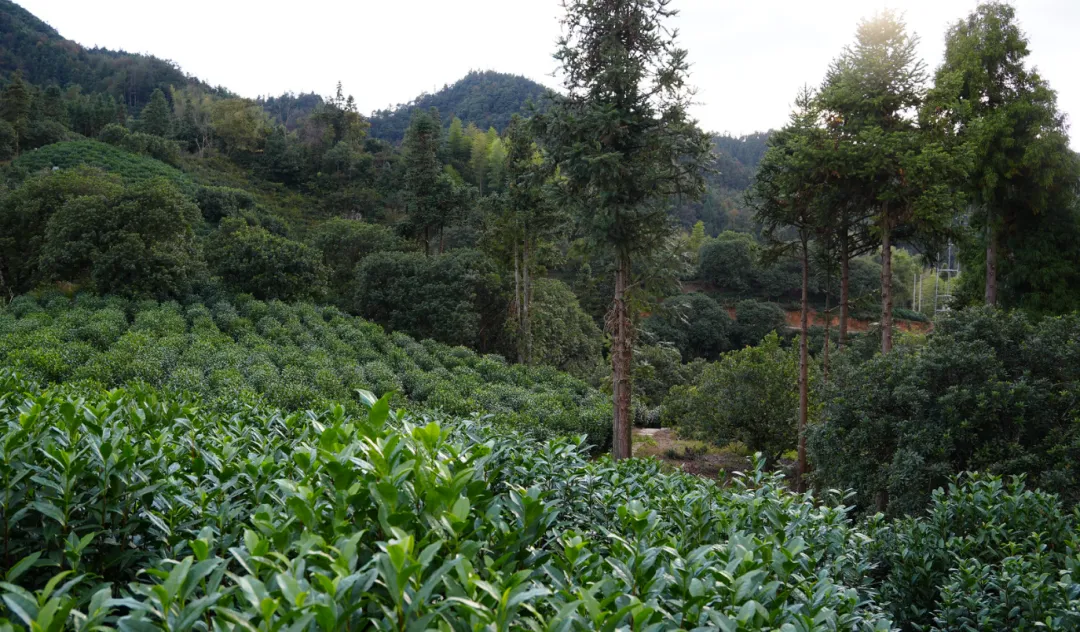
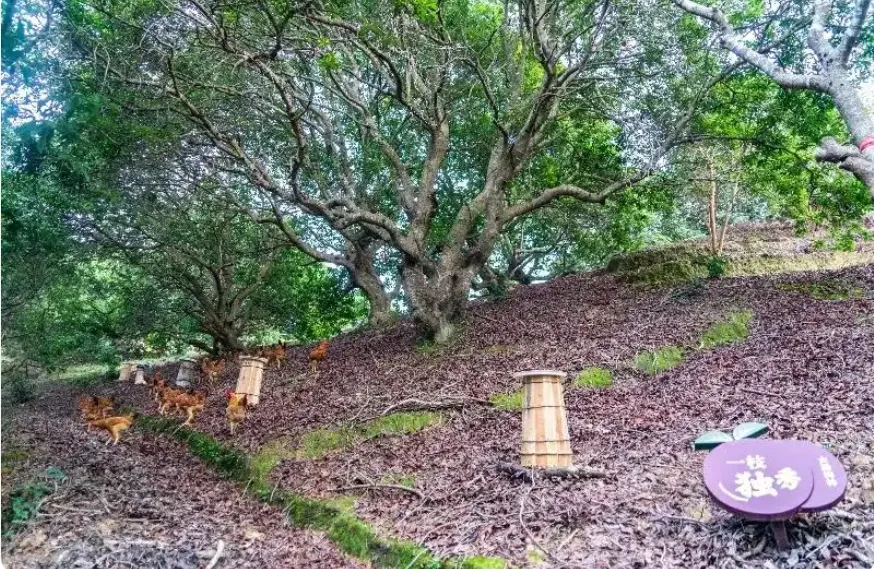
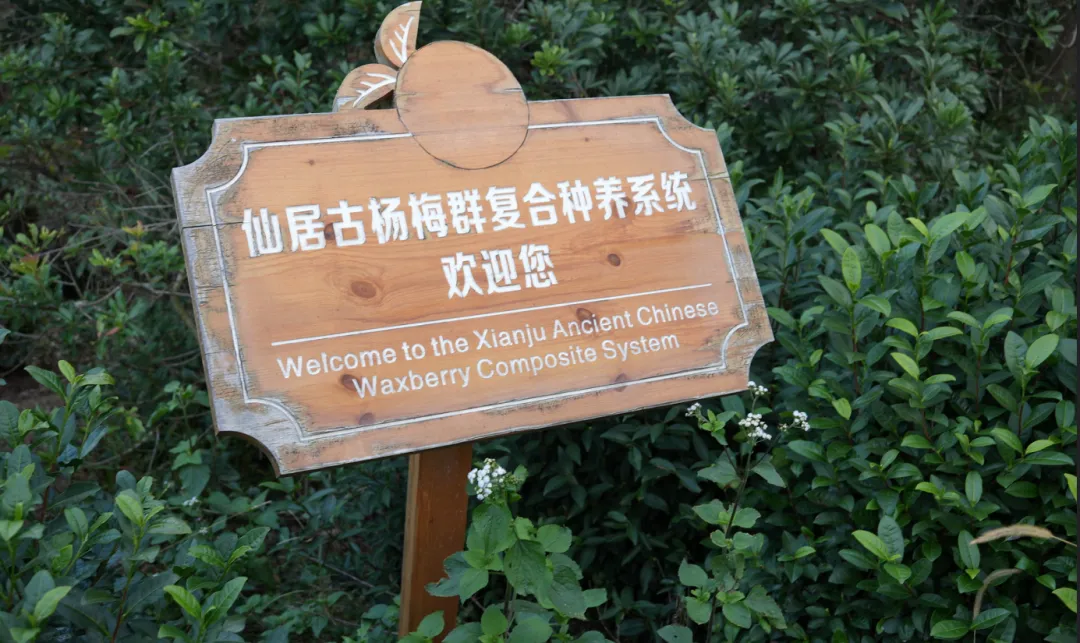 仙居县栽培杨梅已有1600多年的历史,是世界人工栽培杨梅的重要起源地之一。当地农业系统将杨梅种植与茶树栽培、林下养鸡、蜜蜂养殖等有机结合,形成复合型山地农业模式。经过千百年的选育与引种,积累了数量众多、类型丰富的古老杨梅种质资源。Xianju has a history of waxberry cultivation dating back more than 1,600 years and is known as one of the original areas of waxberry cultivation. The agricultural system connects waxberries and tea cultivation to chickens and bees’ breeding. Today, the site has accumulated a large number of ancient waxberry germplasm resources with a wide range of varieties.
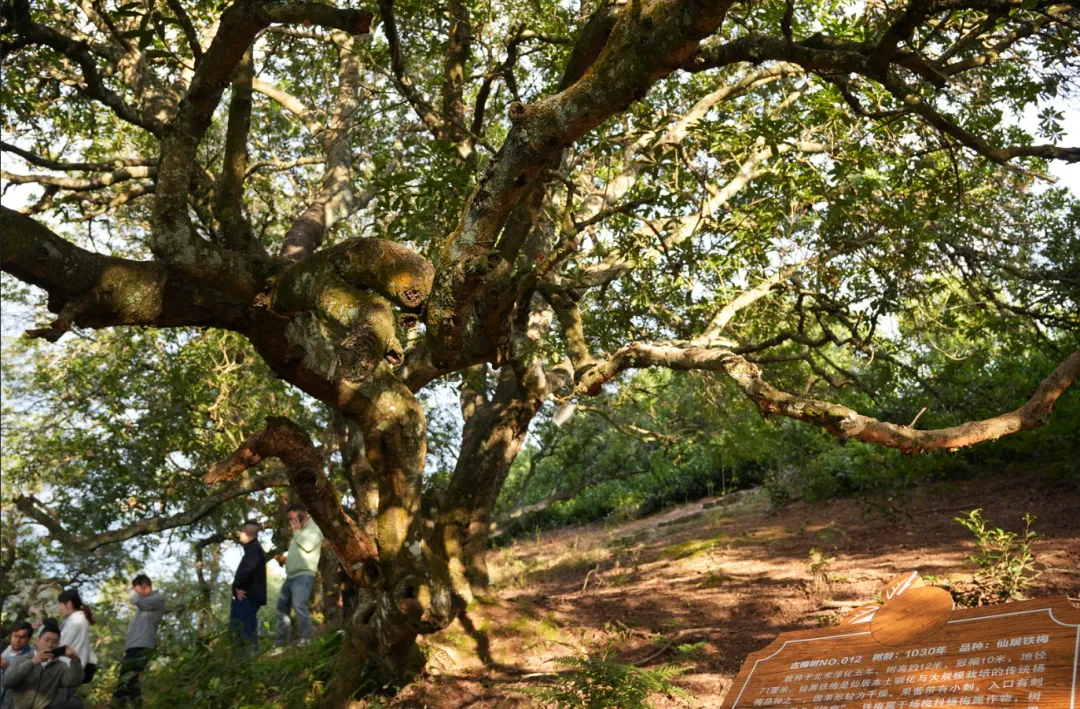
仙居是世界杨梅人工栽培的起源地之一,拥有中国最早关于杨梅人工栽培的文字记载。历经千年选育、筛选和品种交流,当地保存了大量珍贵的杨梅种质资源,包括:11个古老地方品种,2个古老外来品种,10个现代外来品种。因此,仙居被誉为世界最大的“杨梅种质资源库”。
复合农业系统通过多样化生产结构,为当地村民提供稳定而多元的生计来源,显著增强了其抵御风险的能力,保障了收入的可持续性。
Xianju is one of the origins of the artificial cultivation of the waxberry in the world with a history of waxberry cultivation going back more than 1,600 years, It is currently one of the major Chinese producing areas with the earliest written records about artificial cultivation of waxberry. After thousands of years of breeding, selection and species introduction, a large number of ancient waxberry germplasm resources of various types and varieties have been accumulated.
The compound agricultural system offers diversified resources to support the livelihoods of local villagers, greatly enhancing their resilience to risks and ensuring the stability and sustainability of their income.
Food and livelihood security
多样化的种养模式生产出丰富的农林产品,不仅为村民提供重要的食物和原材料来源,也通过作物多样化增强了对旱涝等自然灾害的抵御能力。在“多山少田”的自然环境中,大多数农户以杨梅种植为核心,同时结合茶叶种植、林下养鸡、养蜂等农业活动,形成有机整合的生产体系。
The diverse cultivation methods have produced abundant agricultural and forestry products, which not only provide local villagers with important sources of food and raw materials, but also strengthen their resilience to natural disasters such as drought and flood by diversifying local crop varieties.The first choice for most local farmers is to cultivate the waxberry and organically integrate it with tea planting, chicken raising, beekeeping and other agricultural activities in the unique environment with many mountains and few farmlands.
Agrobiodiversity
根据《2010年仙居县志》记载,该系统共有森林果树24种,是浙江重要的农业生物多样性区域。由于生物多样性极为丰富,仙居被誉为“植物基因库”和“动物博物馆”。
Xianju Ancient Chinese Waxberry Composite System in Zhejiang Province is rich in agricultural biodiversity. According to the 2010 Annals of Xianju County, there are a wide variety of forest fruits in the system, with 24 species in total. As to the most precious agricultural species in Xianju County, there are 11 ancient local varieties, 2 ancient foreign varieties and 10 modern foreign varieties. Thus, Xianju County is considered as the biggest “waxberry germplasm resource bank” in the world.
Local and traditional knowledge systems
该系统拥有全国杨梅产区中最悠久的综合知识与技术体系,其核心理念是:“因地制宜、因时制宜、因事制宜”。杨梅栽培与茶树种植、林下养鸡、养蜂等生产活动,在充分考虑时令、地形、人文因素及自然特性的基础上,按月份均衡安排,形成高度协调的生产节律。
The comprehensive knowledge and technique system in the GIAHS site is the most time-honored among waxberry production zones nationwide and is characterised by “adjusting one’s measures according to the local conditions, to the time and to the matters in hand,” The farming activities, such as waxberry cultivation together with planting of tea trees, chicken raising and bee-keeping in the forest, are arranged as evenly as possible in each month on the basis of full consideration of the favorable timing, geographical features, human nature and physical properties.
Cultures, value systems and social organizations
该农业遗产系统与当地居民有着千年情感联系,深度融入饮食、风俗、婚丧嫁娶等社会生活。国家级非物质文化遗产“仙居针刺无骨花灯”,石屋建筑,服饰节庆文化,均体现出中国南方山区典型的文化形态。
杨梅除了鲜食外,最常见的利用方式是酿制杨梅酒,因此地方酒文化十分兴盛。传统基层管理组织称为“堂”(全村议事组织),由宗族领袖组成并推举堂主。清代康熙年间,横溪镇与湫山乡核心区就已成立杨梅生产互助会,统一协调生产与技术指导,代表核心产区梅农整体利益。
The GIAHS system has a thousand-year-old emotional connection with local villagers. The system is integrated with various aspects of local residents' lives such as diet, customs, weddings, funerals, and weddings. The national intangible cultural heritage "Xianju Needle Needled Boneless Lantern", stone house architecture, and clothing festivals are all unique cultural resources of Xianju, and cultural models typical of southern mountainous areas in China.
The most common way to make use of waxberries, besides eating them fresh, is to make waxberry wine. Therefore, the local wine culture is very prevalent. Farmer Management Organizations in Xianju County are called “Tang” (the committee of the whole village). Members of Tang consist of leaders of clans and the leader of Tang will be elected by the members. The core area of Hengxi Town and Qiushan Township, jointly established the Waxberry Production Mutual Assistance Association back in the time of Emperor Kangxi of the Qing Dynasty. On behalf of the overall interests of the waxberry farmers in the core area, the Mutual Assistance Association coordinates the waxberry production and technical guidance.
Landscapes and waterscapes features
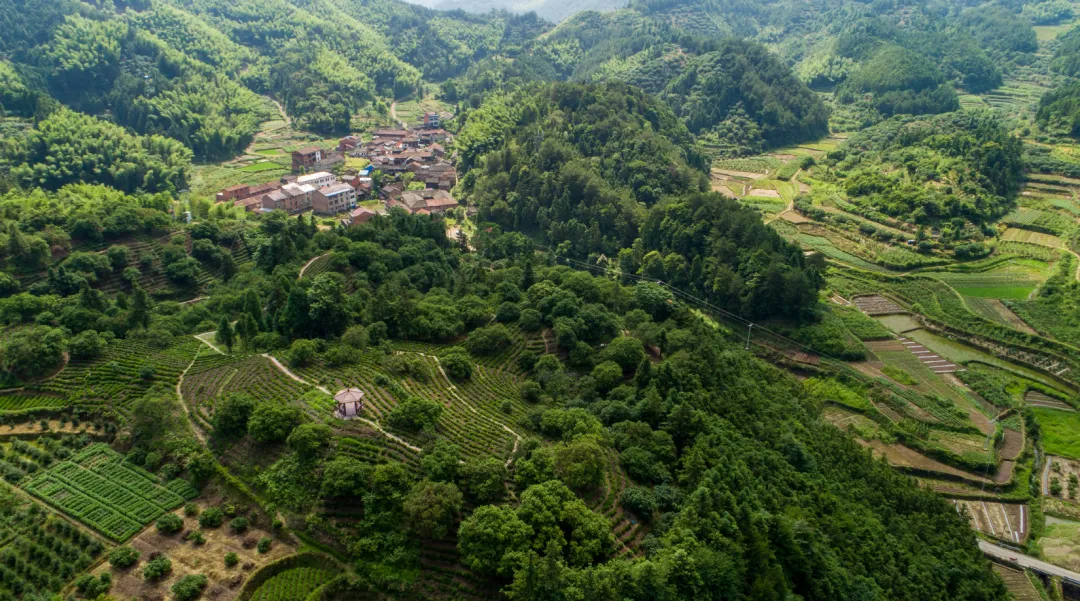
森林是仙居最主要的景观元素。作为中国东南亚热带森林典型区域,森林为复合系统的核心要素(杨梅树、茶树、仙居鸡、本地蜂种)提供了良好的生态支撑。仙居县森林面积达571.6平方公里,森林覆盖率高达81.9%。
每年六月,杨梅成熟。群山之间,杨梅林成片分布,绿荫如盖,枝头缀满火红与紫红色果实。红果映衬绿枝,如同在青山背景上铺展开一幅浓墨重彩的天然画卷。正如诗人所言:“杨梅与金橘,不让春花艳。”这一复合农业系统不仅是生产方式,更是一种山地文明形态的生动体现。
Forests are the most dominant landscape elements of Xianju County. It is a region typical of the subtropical forests in Southeast China, and the environmental support for the core landscape elements of the composite system (waxberry trees, tea trees, Xianju chicken, native bees). Xianju County has a forest area of 571.6 km2, and a forest coverage rate of 81.9%.
In June of every year, waxberries begin to ripen. Among the mountains and the green hills, waxberry trees are lined up and covered with green shade and countless fruits of flaming red and purple. Red berries and green branches add radiance and beauty to each other, just like an intoxicating natural scroll painted with red color on a green backdrop. No wonder a poet once commented, “Waxberry trees and kumquats are not inferior to the beautiful flowers in spring”.


 10个月宝宝每天需要喝多少奶粉?

