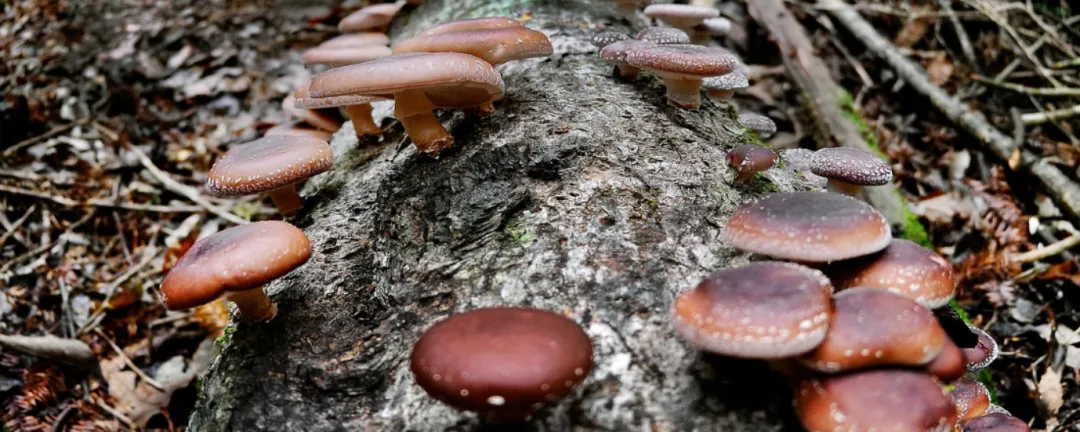
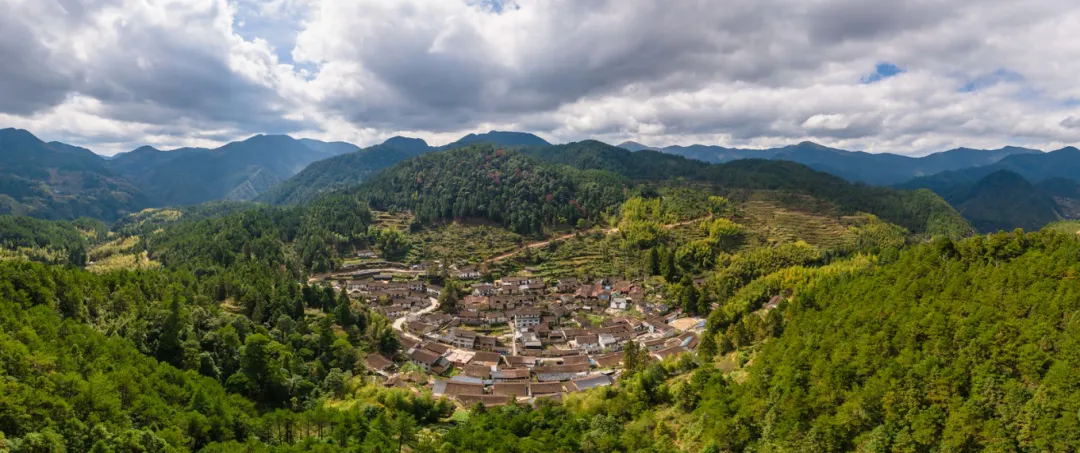
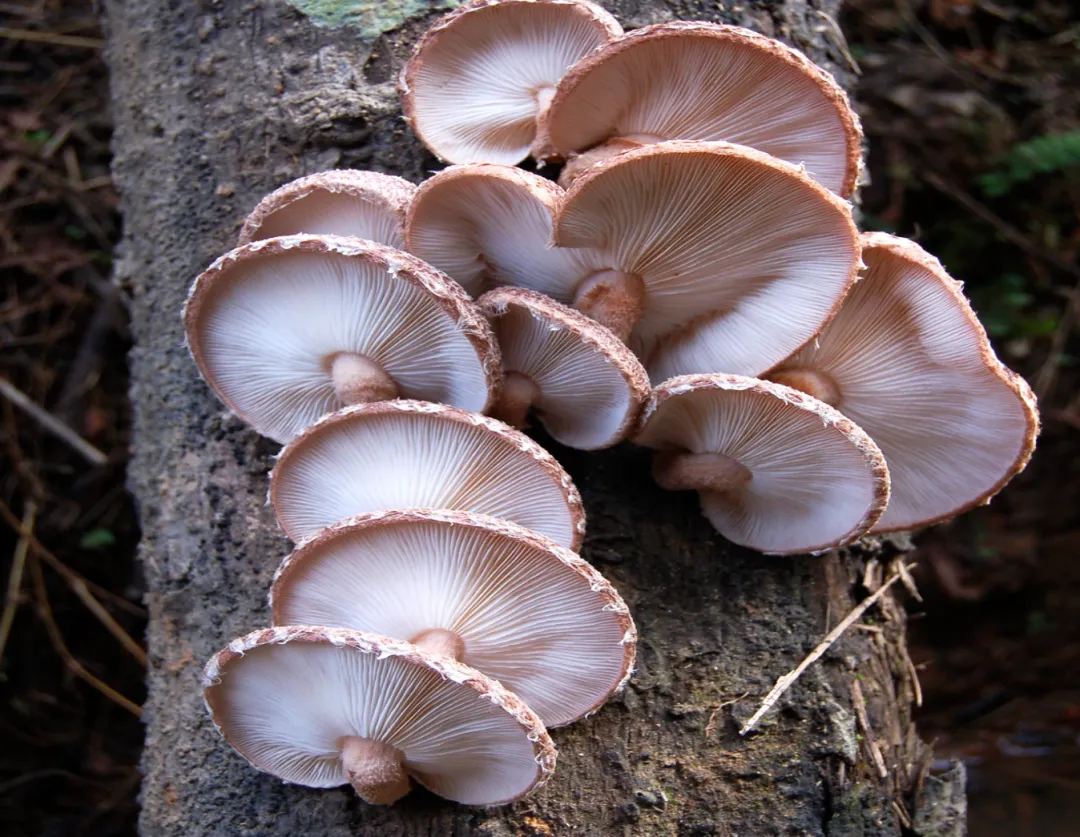
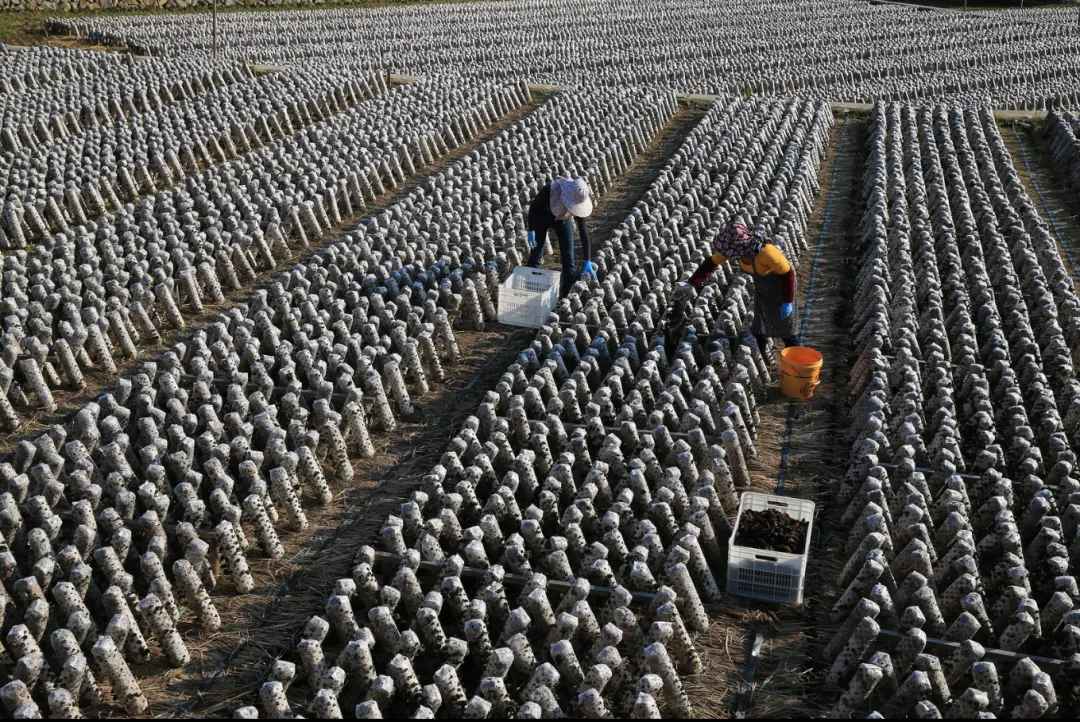
这是位于庆元县北部山区的一种农林复合系统,以可持续森林经营、香菇产业发展和资源循环利用为核心。它是香菇(又称“香菇”,学名 Lentinus edodes)栽培技术和林—菇共育模式的发源地。It is an agroforestry system in the northern mountain area of Qingyuan County, focusing on sustainable forest management, development of the mushroom industry and cyclic use of resources. It is the birthplace of the Xianggu (also called shii-take, the scientific name is Lentinus edodes) cultivation technique and forest-mushroom co-culture.该地区以连绵起伏的山峦丘陵著称,平均海拔约1000米,是华东地区海拔较高的区域之一。百山祖为该地区最高峰,也是浙江省第二高峰,海拔1856.7米。区域内大部分地层由古老的火成岩构成。在造山运动的影响下,地壳经历多次抬升,同时地表局部下沉,形成了群山与河谷相间的地貌格局,蜿蜒的河流穿行其间,两岸山谷相对排列。该地区的主要土地利用类型包括:天然林、人工林、灌丛、草地、水田、旱地、居民用地、其他建设用地以及水域等。
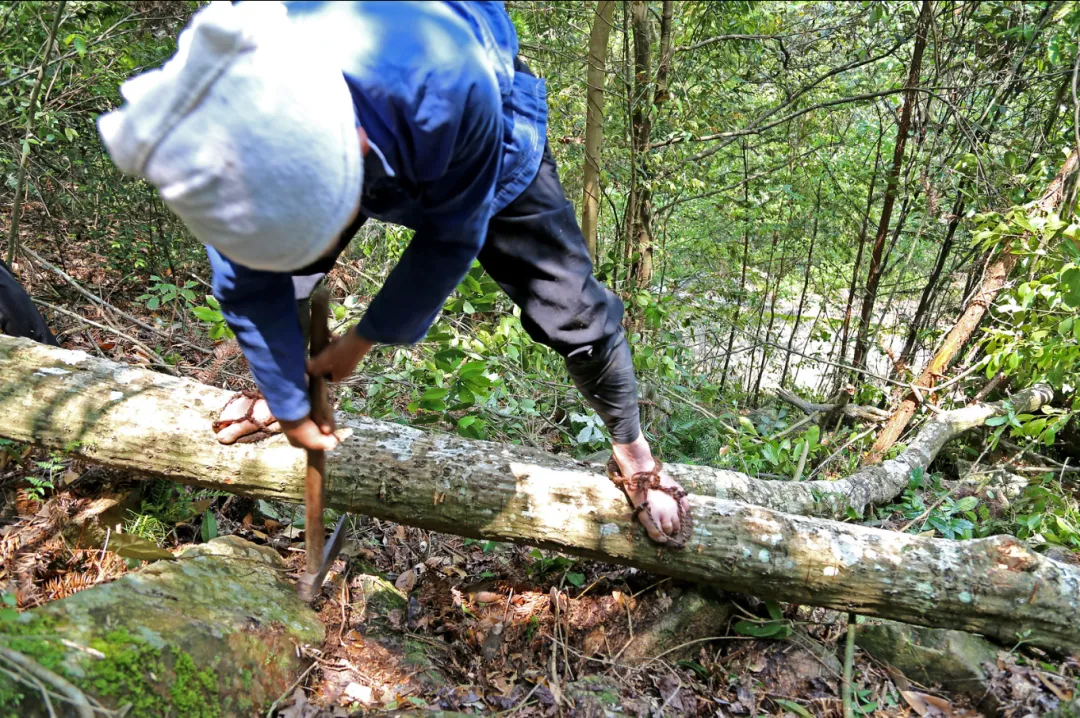
This area is known for its rolling mountains and hills. With an average altitude of 1000 m, the proposed site is one of the highest regions in East China. Baishanzu Mountain, the highest peak in the area and the second highest in Zhejiang Province, stands 1856.7 m above the sea level. Most of the lands in the areaare consisted of ancient igneous rock. Under the influence of the orogeny, the crust had uplifted for several times and at the same time the surface had sunk, forming mountains and valleys lining both sides of winding rivers. The main land use types include natural forest, artificial forest, shrubland, pasture, paddy field, dryland, residential land, other construction land and water body.由于当地山高林密、耕地稀少、交通不便,居民谋生方式有限。通过保护森林、发展香菇栽培与农业生产,当地居民实现了粮食与生计保障,创造了人与自然和谐共生的林菇共育技术体系,并形成了完整的技术演进链条:从“剁花法”(在倒木上砍出小口以促菇)到原木栽培法,再到代料栽培法。同时,孕育了丰富的森林生态文化和香菇文化,以及合理的土地利用结构与生态景观格局。
此外,该地区还是华东地区植物区系起源与演化的重要区域,是世界上唯一分布有孑遗植物百山祖冷杉(Abies beshanzuensis)的地方,也是中国野生大型真菌资源的重要分布区。依托QFMCS,当地居民不仅保障了生计安全,也延续和传承了农耕文化,实现了人与自然的协调发展。
Because of high mountains and dense forests, less cultivated land and inconvenient transportation, there are few ways for local residents to make a living. Through forest conservation, mushroom cultivation and agricultural production, local residents have achieved the food and livelihood security, and created the forest and mushroom coculture technique system of harmonious co-existence between human and nature, and keeps a complete cultivation technique evolution chain from Duohua (chopping a small slit in a fallen tree) method to wood log method and then to substitute material method, formed rich forest ecological culture and mushroom culture, as well as a rational structure of land use types and ecological landscape. Meanwhile, the site is a key area for the origin and evolution of flora in East China, the only distribution area of relict plant Abies beshanzuensis in the world, and an important distribution area of wild macro fungus resources in China. Just relying on the QFMCS, the livelihood security of local residents has been guaranteed, the farming culture has been continued and inherited, and the harmonious development between man and nature has been realized. 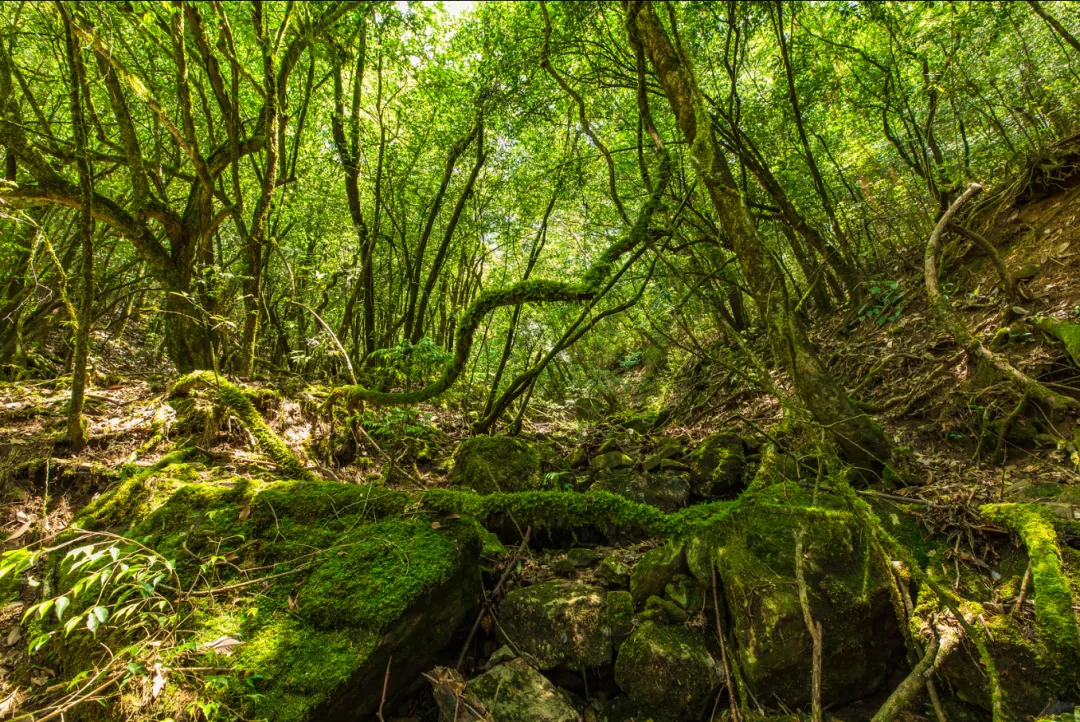
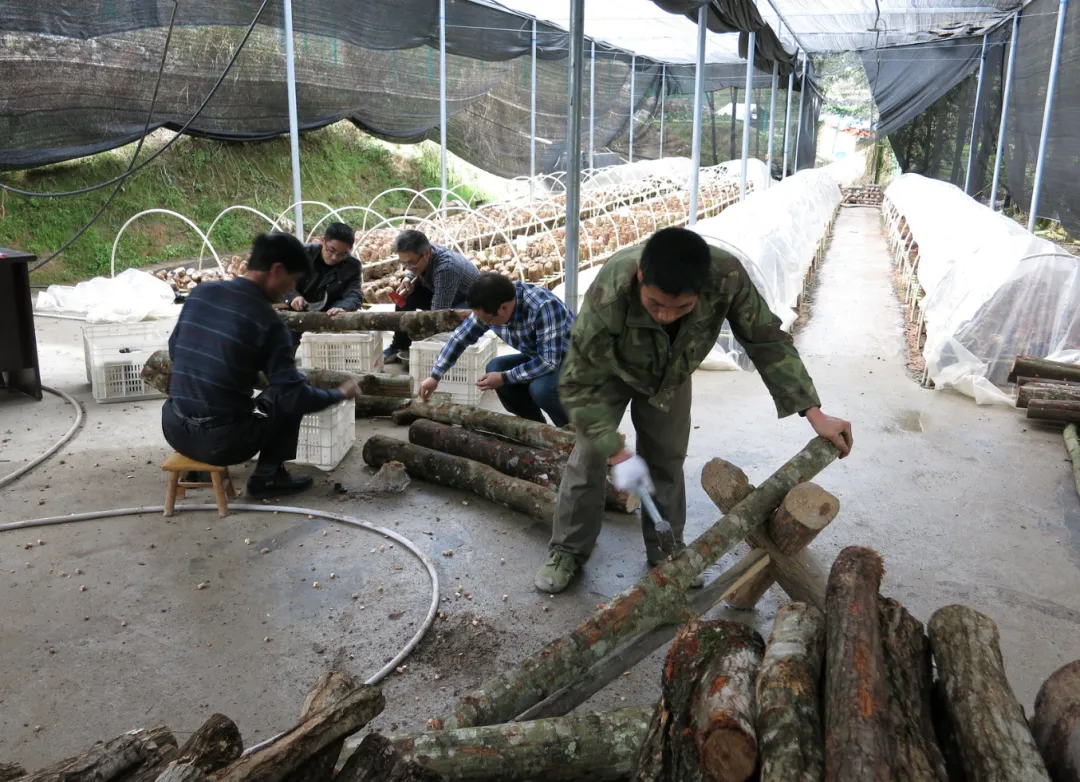
QFMCS独特的山地利用模式和创造性的生态循环机制,对于应对森林资源破坏、生物多样性下降、生态系统服务功能退化、生态保护与经济发展矛盾加剧、贫困与粮食安全问题等具有重要意义。
菇民基于森林与真菌互利共生的生态原理,形成了森林保护理念与林菇共育生态循环模式。这种模式不仅有效保护了生物多样性和生态环境,也契合当代可持续发展理念。同时,以香菇为核心的一系列农林产品保障了当地居民的食品与营养需求,多元产业的发展促进了山区经济增长和农民脱贫。更为重要的是,香菇栽培技术的传播推动了全球食用菌产业的发展。
The unique mountain utilization mode and creative ecological cycle of QFMCS mode are of great significance to deal with the serious destruction of forest resources, decrease of biodiversity, degradation of ecosystem services, increasingly contradiction between ecological conservation and economic development, poverty and food security, etc. The forest conservation thoughts and ecological cycle mode of forest andmushroom co-culture, formed by Gumin based on the ecological principle of mutual benefit and symbiosis between forest and fungi, not only effectively protects the biodiversity and ecological environment, but also is in line with the current concept of sustainable development. Meanwhile, a series of agricultural and forestry products with mushrooms as the core guarantee the needs of food and nutrition of local residents, and diversified industries have contributed to the development of local economies and the alleviation of poverty among farmers in mountain areas. What’s more, the mushroom cultivation technique promoted the development of mushroom industry worldwide.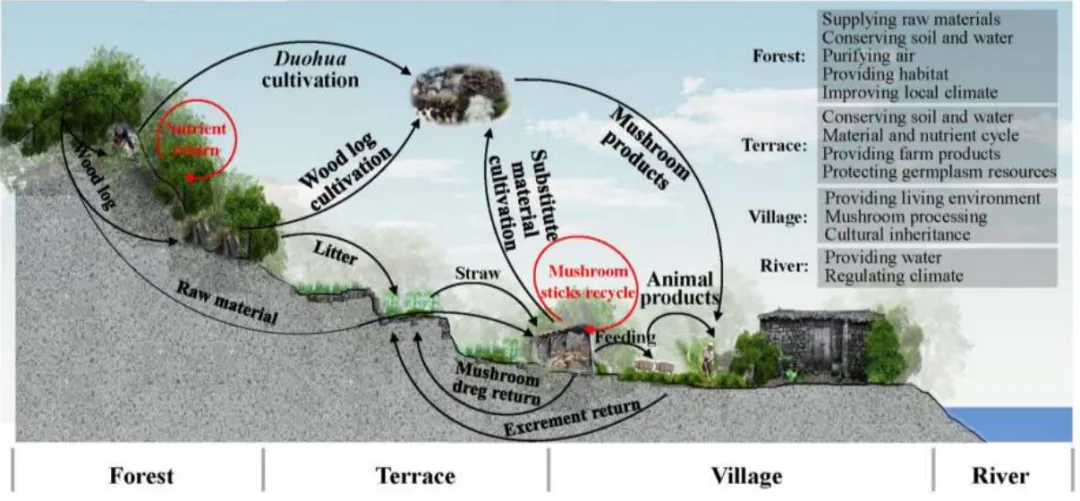
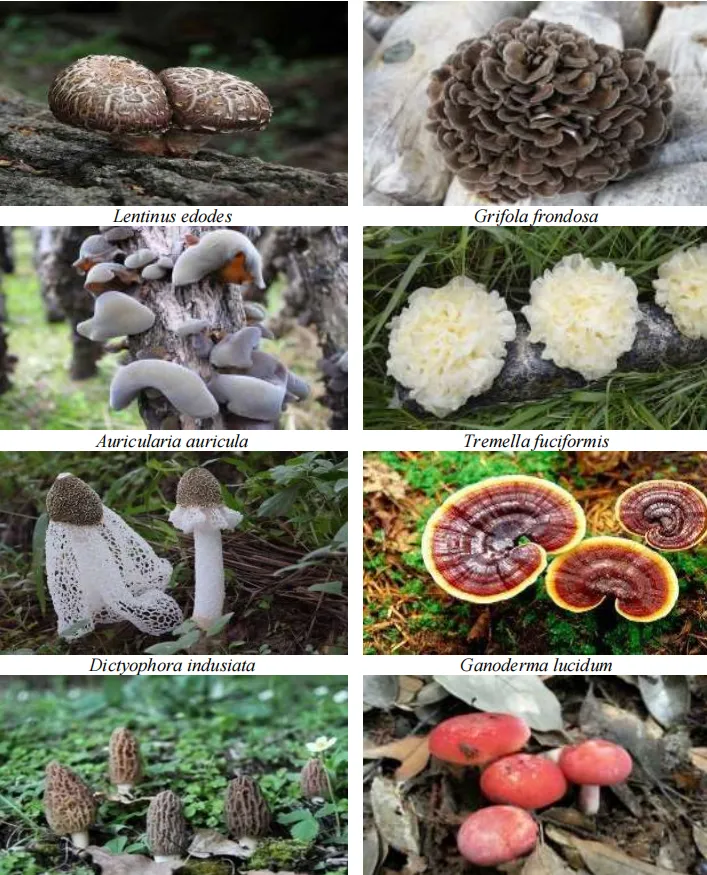
随着城镇化与工业化快速推进、现代生产技术的引入、劳动力相对短缺以及农业生产效率较低,QFMCS也面临一定威胁与挑战。2014年,该系统被列为“中国重要农业文化遗产(China-NIAHS)”。此后,地方政府与菇民高度重视这一遗产系统的保护与发展,使其迎来了新的转折点。未来,如获“全球重要农业文化遗产(GIAHS)”认定,将进一步推动该系统的保护、传承与创新发展,并为世界山地地区的森林保护、食用菌栽培与多功能农林发展提供示范。
QFMCS is also facing some threats and challenges due to rapid urbanization and industrialization, introduction of modern production technologies, relative shortage of labor force and low efficiency of agricultural production. Since it has been listed as a China Nationally Important Agricultural Heritage System (China-NIAHS) in 2014, local government and Gumin have attached great importance to it, which brings this heritage system a new turning point. It is believed that the recognition of GIAHS will promote the protection, inheritance and development of QFMCS, and also provide demonstration for the world on forest conservation, mushroom cultivation and multifunctional agricultural and forestry development in mountain areas。

 10个月宝宝每天需要喝多少奶粉?

