中美农业 AI 图鉴:AI 农业的 5 种 “非常规操作”
- 2026-10-25 10:10:19

植物病害年损 300 亿美元,实验室 AI 一到田间就 “失灵”?农业 AI 的真正价值远不止自动化!从弗吉尼亚靠香皂资助的智能农场,到中国支撑粮食系统的数据网,5 个跨洋案例揭秘 AI 如何破解病害检测、市场波动、教育鸿沟等现实难题,重新定义现代农业的可能性~
注:第一部分为中文文章,第二部分为英文文章,第三部分为分段译注文章
(本文仅用于学习用途,For non-commercial educational use only)
中文文章:
人工智能赋能农业:5 种出人意料的方式破解全球现实难题 —— 从弗吉尼亚到中国
5 Surprising Ways AI in Agriculture Is Solving Real-World Problems: From Virginia to China
来源:Sovereign Magazine
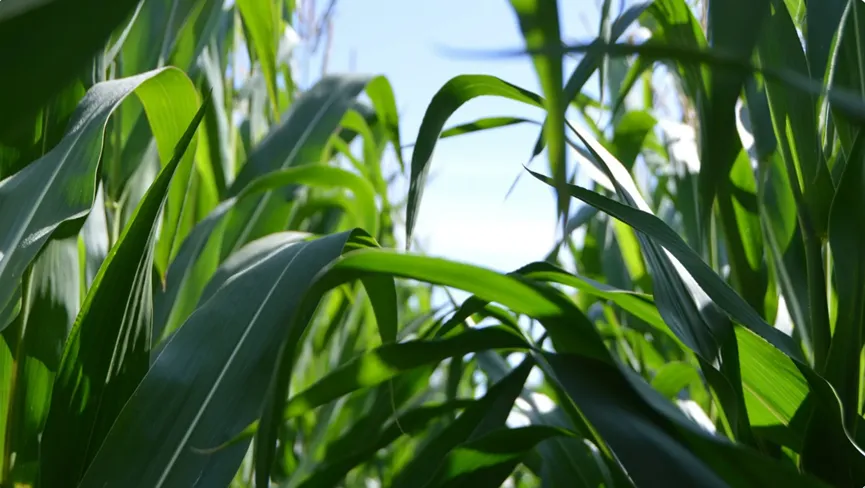
植物病害每年会摧毁全球 20% 至 40% 的农作物产量,给农业领域造成每年超 300 亿美元的损失。然而,大多数用于检测这些病害的人工智能工具,一旦走出实验室就会失灵。问题不在于技术本身,而在于复杂的现实世界。基于完美实验室图像训练的算法,无法应对泥泞的田地、多变的光照或相互重叠的叶片。实验室成功与田间失效之间的这道鸿沟,正是农业人工智能面临的真正挑战。
从弗吉尼亚州 “食品沙漠” 中的垂直农场,到中国耗资数十亿美元打造的数据基础设施,人工智能正在重塑我们种植、分销和资助粮食生产的方式。以下 5 个案例表明,这项技术不仅限于实现自动化:它还填补了农村学生的教育空白,为室内农业市场带来透明度,并构建起无形的数据系统,助力国家层面做出更明智的金融决策。
弗吉尼亚非营利组织:靠香皂销售与人工智能传感器资助城市农场
在美国,有 3950 万人生活在 “食品沙漠” 地区 —— 这些地方无法便捷获取提供全方位服务的杂货店。弗吉尼亚州非营利组织 “奥罗拉的拥抱”(Aurora’s Embrace)采用人工智能驱动的垂直气培种植塔,为这些社区供应新鲜农产品。而其独特之处在于:项目运营资金来自手工香皂销售,而非传统的捐赠拨款。
这些种植塔依靠人工智能传感器实时监测温度、湿度和营养水平,并自动调节生长环境。与传统农业相比,它们用水量减少 90%,产量却接近商业农场的两倍。该组织将所有运营数据发布在公共账簿上,形成了可复制的透明蓝图。此类城市农业还能将食品运输成本降低高达 20%,让最需要的社区能以更实惠的价格购买到新鲜农产品。

为何人工智能病害检测在澳大利亚农场频频失灵?
人工智能驱动的病害检测工具在实验室中表现完美,但在现实田间环境中却不堪一击。核心问题在于复杂多变的环境:光照不稳定、叶片相互遮挡、背景杂乱以及图像质量不佳。这些变量在训练模型所用的完美数据集中从未出现过。
查尔斯・达尔文大学的图塞坦・塞尔瓦拉贾(Thuseethan Selvarajah)博士发现,许多基于实验室图像训练的人工智能模型,无法适应实际农场的不可预测性。澳大利亚北领地等偏远地区的农民需要的是能在智能手机或无人机上离线运行的工具,而非依赖持续网络连接的系统。该研究凸显了一个关键缺口:若缺乏反映真实田间条件的数据集,以及针对边缘计算优化的轻量化模型,农业人工智能仍将停留在实验室实验阶段,无法成为实用工具。
玉米田里的机器人:农村学生如何学习人工智能与编程
在美国,近 300 万学生家中没有互联网接入。农村家庭受影响最为严重,18% 的家庭处于离线状态,而城市这一比例为 14%。理查德・布兰德学院(Richard Bland College)通过移动职业探索单元,将阿米卡(Ameca)人形机器人和人工智能驱动的机器狗带入农村社区,以此填补这一 “作业鸿沟”。
该项目让学生有机会亲手接触到原本难以企及的人工智能和机器人技术。研究表明,这种接触能提升学生在科学、技术、工程和数学(STEM)领域的自信心、参与度和学习成绩,对第一代大学生和农村学生尤为显著。学院还与制造商合作,确保机器人能反映所服务社区的多样性,从源头上解决人工智能偏见问题。这种模式为学生搭建了通往高科技农业职业的通道,涵盖自主农业设备、精准作物监测等多个领域。

数据平台如何稳定室内农业市场
室内农业行业近年来面临巨大波动,多家大型垂直农场申请破产。康泰因公司(Contain Inc.)旗下的 “洞察”(Insights)等专业数据平台正着手填补透明度空白,为室内农场、投资者和融资轮次提供可落地的情报支持。
康泰因公司首席执行官尼古拉・克斯莱克(Nicola Kerslake)表示,打造该平台的初衷是 “为农场主、投资者和技术提供商提供一种快速便捷的方式,获取彼此的关键信息”。事实证明,小型温室项目比大型垂直农场展现出更强的韧性和增长潜力,这表明实时市场情报能帮助相关方优化商业模式、应对挑战。农业人工智能的价值远不止于作物种植:数据驱动工具能让经营者对标业绩、识别投资机会,并在市场变化演变为生存威胁前及时应对。
中国农业数据骨干网:支撑粮食系统的无形基础设施
当大多数农业技术聚焦于无人机、自主拖拉机等可见工具时,中国的农业革命正建立在无形的数据基础设施之上。地平线数据科技(Horizon Data Technology)绘制了超过 1600 万英亩农田的地图,为金融机构、保险公司和政府部门提供标准化、可靠的数据支持。
地平线数据科技创始人蔡文博(Calvin Cai)认为:“粮食的未来,首先是数据问题,其次才是技术问题。” 他的公司如同公共事业机构,为多方利益相关者提供一致、准确的信息,助力贷款发放、风险评估和补贴发放等决策的优化。中国的《全国智慧农业行动计划》预计到 2028 年建成国家级农业大数据平台,认识到标准化数据系统对于解决土地碎片化、气候波动等挑战的关键作用。正如蔡文博所言:“谁能大规模实现农业数据的标准化,不仅能盈利,更能塑造整个粮食系统的运行方式。”
从何入手:传感器、系统还是学生?
这 5 个案例展现了农业人工智能在不同规模下的应用场景:城市农场利用传感器网络在 “食品沙漠” 中种植生菜;教育项目通过人形机器人向农村青少年传授精准农业知识;数据公司构建的基础设施支撑着国家层面更明智的粮食政策。
若你希望快速产生社区影响力,可从弗吉尼亚州的城市农场案例中汲取灵感;若想了解实验室承诺与田间现实之间的差距,澳大利亚的病害检测案例必不可少;若想探究数据基础设施如何在国家层面塑造粮食系统,中国的案例将揭示支撑数亿人农业决策的无形架构。每种方案都在破解同一个核心难题:在应对气候变化、市场波动和资源约束的同时,我们如何以可持续的方式养活更多人?
英文文章:(999 Words)
5 Surprising Ways AI in Agriculture Is Solving Real-World Problems: From Virginia to China
From: SovereignMagazine
Plant diseases destroy 20 to 40 per cent of global crop yields every year, costing the agricultural sector over $30 billion annually. Yet most AI tools designed to detect these diseases fail the moment they leave the lab. The problem isn’t the technology; it’s the real world. Algorithms trained on pristine images can’t handle muddy fields, inconsistent lighting, or overlapping leaves. This gap between lab success and field failure is where the real challenge of AI in agriculture lies.
From vertical farms in Virginia’s food deserts to China’s billion-dollar data infrastructure, AI is reshaping how we grow, distribute, and finance food. These five examples show how the technology tackles more than just automation: it addresses educational gaps for rural students, brings transparency to indoor farming markets, and builds the invisible data systems that enable smarter financial decisions at a national scale.
How a Virginia Nonprofit Funds Urban Farms With Soap Sales and AI Sensors
In the US, 39.5 million people live in food deserts, areas without access to full-service grocery shops. Aurora’s Embrace, a Virginia nonprofit, uses AI-driven vertical aeroponic grow towers to bring fresh produce to these communities. The twist? Artisan soap sales fund the operation, replacing traditional grants.
The grow towers rely on AI sensors to monitor temperature, humidity, and nutrient levels in real time. They adjust conditions automatically, using 90 per cent less water than conventional farming while achieving yields nearly double those of commercial farms. The organisation publishes all operational data in a public ledger, creating a transparent blueprint for replication. Urban agriculture like this can also cut food transportation costs by up to 20 per cent, making fresh produce more affordable for communities that need it most.
Why AI Disease Detection Keeps Failing on Australian Farms
AI-powered disease detection tools work flawlessly in labs but collapse in real-world conditions. The issue is environmental chaos: inconsistent lighting, overlapping leaves, background clutter, and poor image quality. These variables never appear in the pristine datasets used to train models.
Dr Thuseethan Selvarajah at Charles Darwin University found that many AI models trained on lab images can’t adapt to the unpredictability of actual farms. Farmers in remote regions like Australia’s Northern Territory need tools that work offline on smartphones or drones, not systems dependent on constant internet connectivity. The research highlights a critical gap: without datasets that reflect real-world conditions and lightweight models optimised for edge computing, AI in agriculture remains a lab experiment rather than a practical tool.
Robots in Cornfields: How Rural Students Learn AI and Coding
In the US, nearly three million students lack home internet access. Rural homes are hit hardest, with 18 per cent offline compared to 14 per cent in urban areas. Richard Bland College tackles this ‘homework gap’ by bringing Ameca humanoid robots and AI-powered robotic dogs to rural communities through mobile career exploration units.
The programme gives students hands-on access to AI and robotics technology they’d otherwise never encounter. Research shows this exposure boosts STEM confidence, engagement, and learning performance, particularly for first-generation and rural students. The college also collaborates with manufacturers to ensure the robots reflect the diversity of the communities they serve, addressing AI bias at its source. This approach creates a pipeline of students ready for careers in high-tech agriculture, from autonomous farming equipment to precision crop monitoring.
How Data Platforms Are Stabilising Indoor Farming Markets
The indoor agriculture sector has faced significant volatility, with several large-scale vertical farms filing for bankruptcy in recent years. Specialised data platforms like Contain Inc.’s Insights are stepping in to fill transparency gaps, offering actionable intelligence on indoor farms, investors, and funding rounds.
Nicola Kerslake, CEO of Contain Inc., created the platform to provide ‘a fast and easy way for farmers, investors, and technology providers to find critical information about one another.’ Smaller greenhouse operations have shown greater resilience and growth potential than large-scale vertical farms, suggesting that real-time market intelligence helps stakeholders refine business models and navigate challenges. The benefits of AI in agriculture extend beyond growing crops; data-driven tools enable operators to benchmark performance, identify investment opportunities, and respond to market shifts before they become existential threats.
China’s Agricultural Data Backbone: The Invisible Infrastructure Powering Food Systems
While most agricultural technology focuses on visible tools like drones or autonomous tractors, China’s revolution is built on invisible data infrastructure. Horizon Data Technology maps over 16 million acres of farmland to provide standardised, reliable data for financial institutions, insurers, and government agencies.
Calvin Cai, founder of Horizon Data Technology, argues that ‘the future of food is a data problem before it’s a technology problem.’ His company functions like a utility, serving multiple stakeholders with consistent, accurate information that enables better decisions for loans, risk assessment, and subsidies. China’s National Smart Agriculture Action Plan aims to create a national agricultural big data platform by 2028, recognising that standardised data systems are essential for addressing challenges like land fragmentation and climate volatility. As Cai notes, ‘Whoever standardises agricultural data at scale doesn’t just make money—they shape how entire food systems function.’
Where to Start: Sensors, Systems, or Students?
These five stories show AI in agriculture operating at vastly different scales. Urban farms use sensor networks to grow lettuce in food deserts. Educational programmes deploy humanoid robots to teach rural teenagers about precision agriculture. Data companies build infrastructure that enables smarter national food policy.
If you’re interested in immediate community impact, start with the Virginia urban farming story. For a reality check on the gap between lab promises and field realities, the Australian disease detection piece is essential reading. And if you want to understand how data infrastructure shapes food systems at a national level, the China story reveals the invisible architecture supporting agricultural decisions for hundreds of millions of people. Each approach tackles a different piece of the same puzzle: how do we feed more people sustainably while navigating climate change, market volatility, and resource constraints?
分段译注文章:
5 Surprising Ways AI in Agriculture Is Solving Real-World Problems: From Virginia to China
From: SovereignMagazine
Plant diseases destroy 20 to 40 per cent of global crop yields every year, costing the agricultural sector over $30 billion annually. Yet most AI tools designed to detect these diseases fail the moment they leave the lab. The problem isn’t the technology; it’s the real world. Algorithms trained on pristine images can’t handle muddy fields, inconsistent lighting, or overlapping leaves. This gap between lab success and field failure is where the real challenge of AI in agriculture lies.
植物病害每年会摧毁全球 20% 至 40% 的农作物产量,给农业领域造成每年超 300 亿美元的损失。然而,大多数用于检测这些病害的人工智能工具,一旦走出实验室就会失灵。问题不在于技术本身,而在于复杂的现实世界。基于完美实验室图像训练的算法,无法应对泥泞的田地、多变的光照或相互重叠的叶片。实验室成功与田间失效之间的这道鸿沟,正是农业人工智能面临的真正挑战。
※ pristine ※
Pristine 英/ˈprɪstiːn/ 美/ˈprɪstiːn/
adj. 原始的;未受破坏的;崭新的
【例句】
The remote valley retains its pristine grassland ecosystem.
偏远山谷仍保留着原始的草原生态系统。
Farmers adopted low-till methods to keep the soil pristine.
农民采用少耕法以保持土壤未受破坏。
From vertical farms in Virginia’s food deserts to China’s billion-dollar data infrastructure, AI is reshaping how we grow, distribute, and finance food. These five examples show how the technology tackles more than just automation: it addresses educational gaps for rural students, brings transparency to indoor farming markets, and builds the invisible data systems that enable smarter financial decisions at a national scale.
从弗吉尼亚州 “食品沙漠” 中的垂直农场,到中国耗资数十亿美元打造的数据基础设施,人工智能正在重塑我们种植、分销和资助粮食生产的方式。以下 5 个案例表明,这项技术不仅限于实现自动化:它还填补了农村学生的教育空白,为室内农业市场带来透明度,并构建起无形的数据系统,助力国家层面做出更明智的金融决策。
※ transparency ※
Transparency 英/trænsˈpærənsi/ 美/trænsˈpærənsi/
n. 透明;透明度;幻灯片
【例句】
Supply-chain transparency builds consumer trust in organic produce.
供应链透明度建立消费者对有机产品的信任。
The ledger was praised for its full transparency of transactions.
该账本因交易完全透明而受到赞扬。
How a Virginia Nonprofit Funds Urban Farms With Soap Sales and AI Sensors
弗吉尼亚非营利组织:靠香皂销售与人工智能传感器资助城市农场
In the US, 39.5 million people live in food deserts, areas without access to full-service grocery shops. Aurora’s Embrace, a Virginia nonprofit, uses AI-driven vertical aeroponic grow towers to bring fresh produce to these communities. The twist? Artisan soap sales fund the operation, replacing traditional grants.
在美国,有 3950 万人生活在 “食品沙漠” 地区 —— 这些地方无法便捷获取提供全方位服务的杂货店。弗吉尼亚州非营利组织 “奥罗拉的拥抱”(Aurora’s Embrace)采用人工智能驱动的垂直气培种植塔,为这些社区供应新鲜农产品。而其独特之处在于:项目运营资金来自手工香皂销售,而非传统的捐赠拨款。
※ aeroponic ※
Aeroponic 英/ˌeərəˈpɒnɪk/ 美/ˌerəˈpɑːnɪk/
adj. 气雾栽培的
【例句】
Aeroponic towers grow lettuce without soil in urban rooftops.
气雾培塔楼在城市屋顶无土种植生菜。
The startup focuses on aeroponic systems for space-efficient farming.
这家初创公司专注于气雾培系统以实现空间高效农业。
※ artisan ※
Artisan 英/ɑːˈtɪzn/ 美/ˈɑːrtəzn/
n. 工匠;手艺人
adj. 手工制作的
【例句】
An artisan baker uses heritage grains from local farmers.
手工面包师使用当地农户的传承谷物。
The market showcases artisan cheeses from small dairies.
市场展示来自小型乳坊的手工奶酪。
The grow towers rely on AI sensors to monitor temperature, humidity, and nutrient levels in real time. They adjust conditions automatically, using 90 per cent less water than conventional farming while achieving yields nearly double those of commercial farms. The organisation publishes all operational data in a public ledger, creating a transparent blueprint for replication. Urban agriculture like this can also cut food transportation costs by up to 20 per cent, making fresh produce more affordable for communities that need it most.
这些种植塔依靠人工智能传感器实时监测温度、湿度和营养水平,并自动调节生长环境。与传统农业相比,它们用水量减少 90%,产量却接近商业农场的两倍。该组织将所有运营数据发布在公共账簿上,形成了可复制的透明蓝图。此类城市农业还能将食品运输成本降低高达 20%,让最需要的社区能以更实惠的价格购买到新鲜农产品。
※ ledger ※
Ledger 英/ˈledʒə(r)/ 美/ˈledʒər/
n. 账本;台账
【例句】
A digital ledger tracks every bag of coffee from field to cup.
数字台账追踪每一袋咖啡从田间到杯子的全过程。
The cooperative keeps an open ledger for all member transactions.
合作社为所有成员交易保存公开账本。
Why AI Disease Detection Keeps Failing on Australian Farms
为何人工智能病害检测在澳大利亚农场频频失灵?
AI-powered disease detection tools work flawlessly in labs but collapse in real-world conditions. The issue is environmental chaos: inconsistent lighting, overlapping leaves, background clutter, and poor image quality. These variables never appear in the pristine datasets used to train models.
人工智能驱动的病害检测工具在实验室中表现完美,但在现实田间环境中却不堪一击。核心问题在于复杂多变的环境:光照不稳定、叶片相互遮挡、背景杂乱以及图像质量不佳。这些变量在训练模型所用的完美数据集中从未出现过。
※ flawlessly ※
Flawlessly 英/ˈflɔːləsli/ 美/ˈflɔːləsli/
adv. 完美地;无瑕疵地
【例句】
The drone executed a flawlessly autonomous spraying run.
无人机完美执行了一次自主喷洒任务。
Data synced flawlessly between field sensors and the cloud.
数据在田间传感器与云端之间完美同步。
Dr Thuseethan Selvarajah at Charles Darwin University found that many AI models trained on lab images can’t adapt to the unpredictability of actual farms. Farmers in remote regions like Australia’s Northern Territory need tools that work offline on smartphones or drones, not systems dependent on constant internet connectivity. The research highlights a critical gap: without datasets that reflect real-world conditions and lightweight models optimised for edge computing, AI in agriculture remains a lab experiment rather than a practical tool.
查尔斯・达尔文大学的图塞坦・塞尔瓦拉贾(Thuseethan Selvarajah)博士发现,许多基于实验室图像训练的人工智能模型,无法适应实际农场的不可预测性。澳大利亚北领地等偏远地区的农民需要的是能在智能手机或无人机上离线运行的工具,而非依赖持续网络连接的系统。该研究凸显了一个关键缺口:若缺乏反映真实田间条件的数据集,以及针对边缘计算优化的轻量化模型,农业人工智能仍将停留在实验室实验阶段,无法成为实用工具。
Robots in Cornfields: How Rural Students Learn AI and Coding
玉米田里的机器人:农村学生如何学习人工智能与编程
In the US, nearly three million students lack home internet access. Rural homes are hit hardest, with 18 per cent offline compared to 14 per cent in urban areas. Richard Bland College tackles this ‘homework gap’ by bringing Ameca humanoid robots and AI-powered robotic dogs to rural communities through mobile career exploration units.
在美国,近 300 万学生家中没有互联网接入。农村家庭受影响最为严重,18% 的家庭处于离线状态,而城市这一比例为 14%。理查德・布兰德学院(Richard Bland College)通过移动职业探索单元,将阿米卡(Ameca)人形机器人和人工智能驱动的机器狗带入农村社区,以此填补这一 “作业鸿沟”。
※ humanoid robot ※
Humanoid robot 英/ˈhjuːmənɔɪd ˈrəʊbɒt/ 美/ˈhjuːmənɔɪd ˈroʊbɑːt/
n. 人形机器人
【例句】
A humanoid robot demonstrated precise fruit picking in the orchard.
人形机器人在果园演示了精确采摘水果。
Engineers programmed the humanoid robot to navigate uneven vineyard rows.
工程师为人形机器人编程,使其能在不平的葡萄园行间行走。
The programme gives students hands-on access to AI and robotics technology they’d otherwise never encounter. Research shows this exposure boosts STEM confidence, engagement, and learning performance, particularly for first-generation and rural students. The college also collaborates with manufacturers to ensure the robots reflect the diversity of the communities they serve, addressing AI bias at its source. This approach creates a pipeline of students ready for careers in high-tech agriculture, from autonomous farming equipment to precision crop monitoring.
该项目让学生有机会亲手接触到原本难以企及的人工智能和机器人技术。研究表明,这种接触能提升学生在科学、技术、工程和数学(STEM)领域的自信心、参与度和学习成绩,对第一代大学生和农村学生尤为显著。学院还与制造商合作,确保机器人能反映所服务社区的多样性,从源头上解决人工智能偏见问题。这种模式为学生搭建了通往高科技农业职业的通道,涵盖自主农业设备、精准作物监测等多个领域。
How Data Platforms Are Stabilising Indoor Farming Markets
数据平台如何稳定室内农业市场
The indoor agriculture sector has faced significant volatility, with several large-scale vertical farms filing for bankruptcy in recent years. Specialised data platforms like Contain Inc.’s Insights are stepping in to fill transparency gaps, offering actionable intelligence on indoor farms, investors, and funding rounds.
室内农业行业近年来面临巨大波动,多家大型垂直农场申请破产。康泰因公司(Contain Inc.)旗下的 “洞察”(Insights)等专业数据平台正着手填补透明度空白,为室内农场、投资者和融资轮次提供可落地的情报支持。
※ bankruptcy ※
Bankruptcy 英/ˈbæŋkrʌptsi/ 美/ˈbæŋkrʌptsi/
n. 破产;倒闭
【例句】
Low commodity prices pushed several farms toward bankruptcy.
低商品价格使几家农场走向破产。
The cooperative avoided bankruptcy by diversifying into agritourism.
合作社通过多元化经营农业旅游避免了破产。
※ step in ※
Step in 英/step ɪn/ 美/step ɪn/
phr. 介入;插手;进入
【例句】
The government had to step in to stabilize grain markets.
政府不得不介入以稳定谷物市场。
When the tractor broke down, a neighbor stepped in with a spare.
拖拉机抛锚时,邻居带着备用机插手帮忙。
Nicola Kerslake, CEO of Contain Inc., created the platform to provide ‘a fast and easy way for farmers, investors, and technology providers to find critical information about one another.’ Smaller greenhouse operations have shown greater resilience and growth potential than large-scale vertical farms, suggesting that real-time market intelligence helps stakeholders refine business models and navigate challenges. The benefits of AI in agriculture extend beyond growing crops; data-driven tools enable operators to benchmark performance, identify investment opportunities, and respond to market shifts before they become existential threats.
康泰因公司首席执行官尼古拉・克斯莱克(Nicola Kerslake)表示,打造该平台的初衷是 “为农场主、投资者和技术提供商提供一种快速便捷的方式,获取彼此的关键信息”。事实证明,小型温室项目比大型垂直农场展现出更强的韧性和增长潜力,这表明实时市场情报能帮助相关方优化商业模式、应对挑战。农业人工智能的价值远不止于作物种植:数据驱动工具能让经营者对标业绩、识别投资机会,并在市场变化演变为生存威胁前及时应对。
※ existential ※
Existential 英/ˌeɡzɪˈstenʃl/ 美/ˌeɡzɪˈstenʃl/
adj. 存在的;生存性的;有关存在的
【例句】
Climate change poses an existential threat to low-lying island farms.
气候变化对低洼岛屿农场构成生存威胁。
The drought became an existential crisis for pastoral communities.
干旱成为牧区社区的存在性危机。
China’s Agricultural Data Backbone: The Invisible Infrastructure Powering Food Systems
中国农业数据骨干网:支撑粮食系统的无形基础设施
While most agricultural technology focuses on visible tools like drones or autonomous tractors, China’s revolution is built on invisible data infrastructure. Horizon Data Technology maps over 16 million acres of farmland to provide standardised, reliable data for financial institutions, insurers, and government agencies.
当大多数农业技术聚焦于无人机、自主拖拉机等可见工具时,中国的农业革命正建立在无形的数据基础设施之上。地平线数据科技(Horizon Data Technology)绘制了超过 1600 万英亩农田的地图,为金融机构、保险公司和政府部门提供标准化、可靠的数据支持。
Calvin Cai, founder of Horizon Data Technology, argues that ‘the future of food is a data problem before it’s a technology problem.’ His company functions like a utility, serving multiple stakeholders with consistent, accurate information that enables better decisions for loans, risk assessment, and subsidies. China’s National Smart Agriculture Action Plan aims to create a national agricultural big data platform by 2028, recognising that standardised data systems are essential for addressing challenges like land fragmentation and climate volatility. As Cai notes, ‘Whoever standardises agricultural data at scale doesn’t just make money—they shape how entire food systems function.’
地平线数据科技创始人蔡文博(Calvin Cai)认为:“粮食的未来,首先是数据问题,其次才是技术问题。” 他的公司如同公共事业机构,为多方利益相关者提供一致、准确的信息,助力贷款发放、风险评估和补贴发放等决策的优化。中国的《全国智慧农业行动计划》预计到 2028 年建成国家级农业大数据平台,认识到标准化数据系统对于解决土地碎片化、气候波动等挑战的关键作用。正如蔡文博所言:“谁能大规模实现农业数据的标准化,不仅能盈利,更能塑造整个粮食系统的运行方式。”
※ fragmentation ※
Fragmentation 英/ˌfræɡmenˈteɪʃn/ 美/ˌfræɡmenˈteɪʃn/
n. 破碎;分割;碎片化
【例句】
Land fragmentation hinders mechanized harvesting.
土地碎片化阻碍机械化收割。
Data fragmentation reduces the efficiency of AI models in agriculture.
数据碎片化降低农业 AI 模型的效率。
Where to Start: Sensors, Systems, or Students?
从何入手:传感器、系统还是学生?
These five stories show AI in agriculture operating at vastly different scales. Urban farms use sensor networks to grow lettuce in food deserts. Educational programmes deploy humanoid robots to teach rural teenagers about precision agriculture. Data companies build infrastructure that enables smarter national food policy.
这 5 个案例展现了农业人工智能在不同规模下的应用场景:城市农场利用传感器网络在 “食品沙漠” 中种植生菜;教育项目通过人形机器人向农村青少年传授精准农业知识;数据公司构建的基础设施支撑着国家层面更明智的粮食政策。
If you’re interested in immediate community impact, start with the Virginia urban farming story. For a reality check on the gap between lab promises and field realities, the Australian disease detection piece is essential reading. And if you want to understand how data infrastructure shapes food systems at a national level, the China story reveals the invisible architecture supporting agricultural decisions for hundreds of millions of people. Each approach tackles a different piece of the same puzzle: how do we feed more people sustainably while navigating climate change, market volatility, and resource constraints?
若你希望快速产生社区影响力,可从弗吉尼亚州的城市农场案例中汲取灵感;若想了解实验室承诺与田间现实之间的差距,澳大利亚的病害检测案例必不可少;若想探究数据基础设施如何在国家层面塑造粮食系统,中国的案例将揭示支撑数亿人农业决策的无形架构。每种方案都在破解同一个核心难题:在应对气候变化、市场波动和资源约束的同时,我们如何以可持续的方式养活更多人?
※ constraint ※
Constraint 英/kənˈstreɪnt/ 美/kənˈstreɪnt/
n. 限制;约束;制约因素
【例句】
Budget constraints limited the adoption of high-end sensors.
预算限制制约了高端传感器的采用。
Time constraints forced the team to simplify the experimental design.
时间限制迫使团队简化实验设计。
- 词汇盘点 -
pristine、transparency、aeroponic、artisan、ledger、flawlessly、humanoid robot、bankruptcy、step in、existential、fragmentation、constraint
- END -
- 推荐阅读 -
-Recommended reading-
连续更新【第361天】
Continuous updates [Day 361]
时光从不负旅人,跬步日积自逢春!
Time never fails the traveler; small steps accumulated daily bring spring at last!