北斗指路,收割机有了“最强大脑”
Beidou Navigation Equips Harvesters with a Super Brain
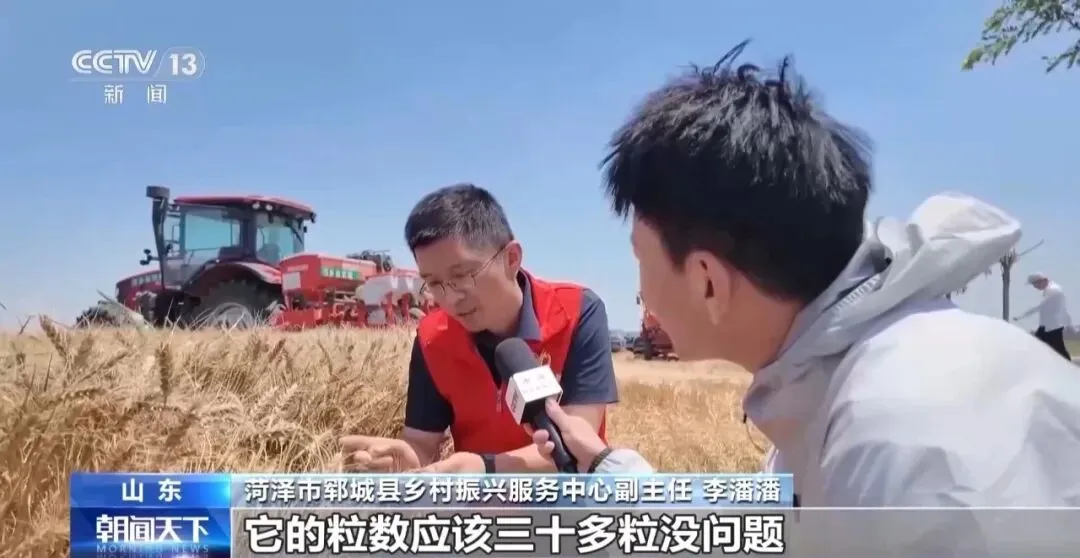
过去夏收靠人跑断腿,今年夏收看大数据。在山东菏泽郓城,收割机的驾驶室里多了一套“聪明”系统——屏幕上红绿灯一亮,漏粮情况一目了然:绿灯放心跑、红灯立刻停。这套“北斗+智能农机”方案落地后,机收损失率降到了0.7%左右,一亩地少损失10到15公斤粮。
Summer grain harvests once meant farmers trekking endless miles on foot; today, they are steered by big data. In Yuncheng County, Heze, Shandong Province, harvester cabs are fitted with an intelligent monitoring system. Traffic lights flash on the screen to instantly reveal grain spillage: green lights signal smooth operation, while red lights call for an immediate halt. Since the rollout of this Beidou plus smart agricultural machinery solution, grain loss during harvesting has fallen to roughly 0.7%, cutting grain wastage by 10 to 15 kilograms per mu.
在河南鹤壁的5G数字农业示范园,穿梭田间的收割机和运粮车都安装了北斗导航终端,行驶速度、作业轨迹乃至机损率,都处于平台的实时监控之中。工作人员通过远程系统就能及时提示机手减速——速度一旦超过每小时10公里,机收损失率就会明显上升。从靠经验到靠数据,科技正在保障每一粒粮食颗粒归仓。
At a 5G digital agriculture demonstration park in Hebi, Henan Province, both harvesters and grain transport vehicles traversing farmland carry Beidou navigation terminals. Their driving speed, working tracks and grain loss rates are monitored in real time on a digital platform. Operators can remotely alert drivers to slow down via the system—harvest losses surge noticeably once travel speed exceeds 10 kilometers per hour. Agriculture is shifting from experience-based judgment to data-driven precision, ensuring every single grain makes its way into granaries.
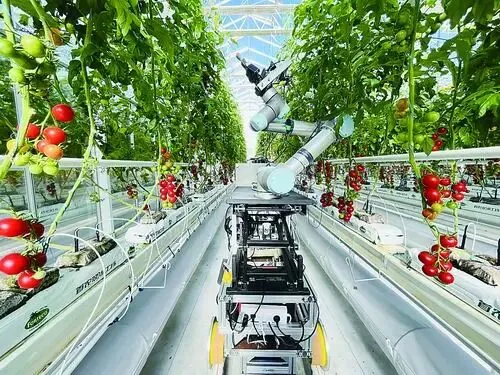
在山东邹平的无人农场,无人收割机安静地穿行在麦田里,到了地头自动减速、转弯,作业幅宽与前一行严丝合缝。今年这里实现了多机协同规模化作业,从北斗卫星导航到核心控制算法,全链条100%国产化。规模化应用后,田间人工投入减少70%,种子、化肥等农资消耗节省10%。
An unmanned farm in Zouping, Shandong Province, sees driverless harvesters glide silently through wheat fields, automatically slowing and turning at field edges with perfectly aligned working widths matching previous passes. Large-scale coordinated multi-machine operations were realized here this year, with the entire industrial chain—from Beidou satellite navigation to core control algorithms—100% domestically developed. Following large-scale deployment, on-site labor inputs have dropped by 70%, while consumption of agricultural supplies including seeds and fertilizers is cut by 10%.