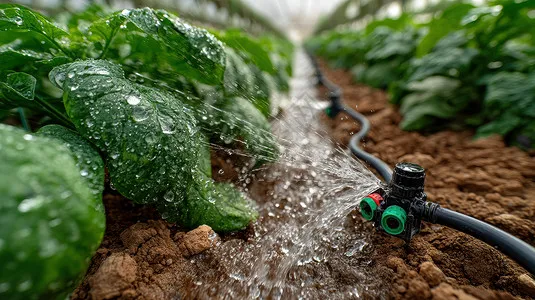
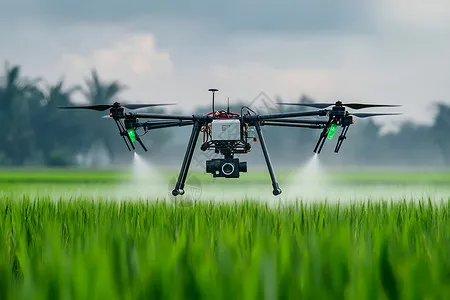
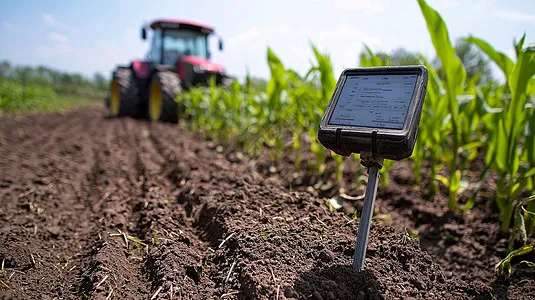
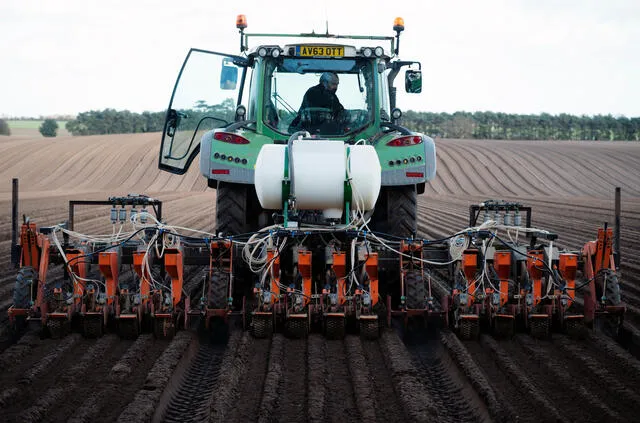
Precision agriculture has improved agricultural labor productivity and the utilization rate of agricultural means of production. While tapping potential vigorously and reducing costs, it has reduced environmental pollution from chemical fertilizers, pesticides and petroleum, achieving the simultaneous growth and sustainable development of economic, social and ecological benefits.
As one of the world’s major agricultural countries, China has fed 22% of the world’s population with only 7% of the world’s cultivated land, an achievement that has attracted worldwide attention. However, the contradiction between population growth and the reduction of land resources is irreversible. To meet the ever-increasing demands of the economy and people’s living standards, it is essential to maintain the sustainable development of agriculture.
The fundamental solution to these problems lies in science and technology. Current circumstances compel us to adopt precision agricultural technologies and explore approaches to developing high-efficiency agriculture. Therefore, precision agriculture plays a positive role and holds great significance in reducing input and costs, mitigating environmental pollution, realizing controllable, standardized and large-scale production of agricultural products, and facilitating processing and export.