As of now, China has 25 sites inscribed as Globally Important Agricultural Heritage Systems (GIAHS), ranking first in the world, with Zhejiang Province standing out in particular.
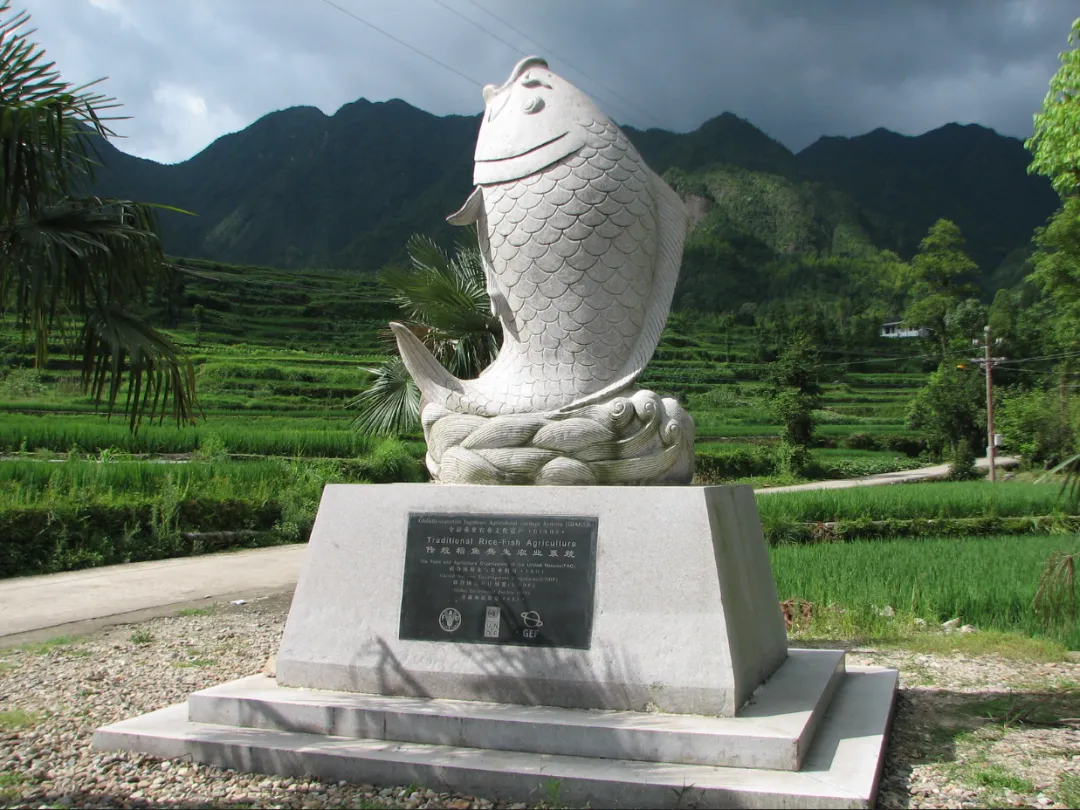
In 2005, the Qingtian Rice–Fish Coculture System became one of the world’s first GIAHS sites and the first in China to receive this designation. From 2013 , Zhejiang now has a total of six GIAHS sites, iranking first among all provinces in China, including the Shaoxing Kuaiji Mountain Ancient Torreya Community, the Huzhou Mulberry-Dyke and Fish-Pond System, the Qingyuan Forest–Mushroom Co-cultivation System, and the Xianju Ancient Waxberry Composite Farming System. In 2026,the Deqing Freshwater Pearl Integrated Aquaculture System was officially designated.
截至目前,中国共有25个项目被列入全球重要农业文化遗产(GIAHS),数量位居世界第一,其中浙江省表现尤为突出。
2005年,青田稻鱼共生系统成为全球首批全球重要农业文化遗产之一,也是中国首个获此认定的项目。自2013年起,浙江现已有6项全球重要农业文化遗产,数量位居全国各省第一,包括绍兴会稽山古香榧群、湖州桑基鱼塘系统、庆元林—菇共育系统、仙居古杨梅群复合种养系统等。2026年,德清淡水珍珠复合养殖系统被正式认定为全球重要农业文化遗产。
2005——稻鱼共生系统(Rice Fish Culture, China)
Global importance
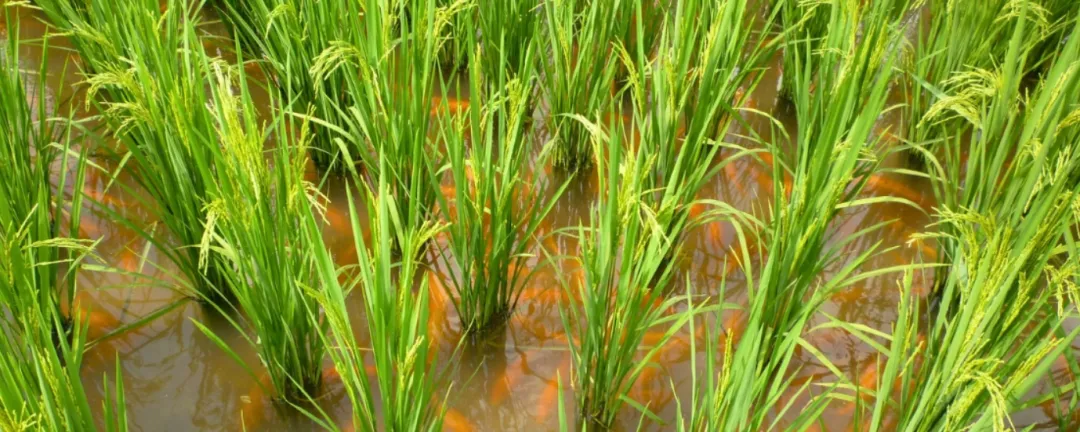
Rice-Fish System is an ingenious practice which is able to generate economic and social benefits for local community through encouraging essential ecological functions and provision of multiple goods and services. Rice–Fish system ensures food security (rice production), quality nutrition and income generation (consumption and sale of fish), prevention of malaria (reducing mosquito by fish), conservation of biodiversity (rice, fish and associated species due to reduction of pesticides), pest regulation and the establishment of carbon and nutrient cycles. The system can reduce pesticides and fertilizers application, which are threatening human health, other species and the environment.
稻鱼共生系统是一种极具智慧的传统农业实践,通过强化关键生态功能、提供多样化产品与服务,为当地社区带来显著的经济和社会效益。该系统在保障粮食安全(稻米生产)、改善营养结构和增加收入(鱼类的自食与销售)、预防疟疾(鱼类减少蚊虫滋生)、保护生物多样性(因减少农药使用而有利于稻、鱼及相关物种共存)、调节病虫害以及促进碳循环和养分循环等方面发挥着重要作用。同时,稻鱼共生系统能够显著减少农药和化肥的施用,从而降低对人类健康、其他生物物种以及生态环境的威胁。
However, rice-fish lands have decreased from 1532 thousand hectares in 2000 to 1480 thousand hectors in 2002. The rice-fish farming system is threatened by expansion of highly productive mono rice or fish systems, which include improved rice or fish varieties with excessive application of chemicals (especially pesticides for rice and antibiotic medicines for fish) in rice fields or fish ponds.
然而,稻鱼共生耕地面积已从2000年的153.2万公顷减少至2002年的148.0万公顷。该系统正面临高产单一水稻或单一养鱼模式扩张的威胁。这些模式通常采用改良水稻或鱼类品种,并在稻田或鱼塘中大量施用化学品(尤其是水稻生产中的农药和鱼类养殖中的抗生素),从而对传统稻鱼共生系统构成冲击。
Food and livelihood security
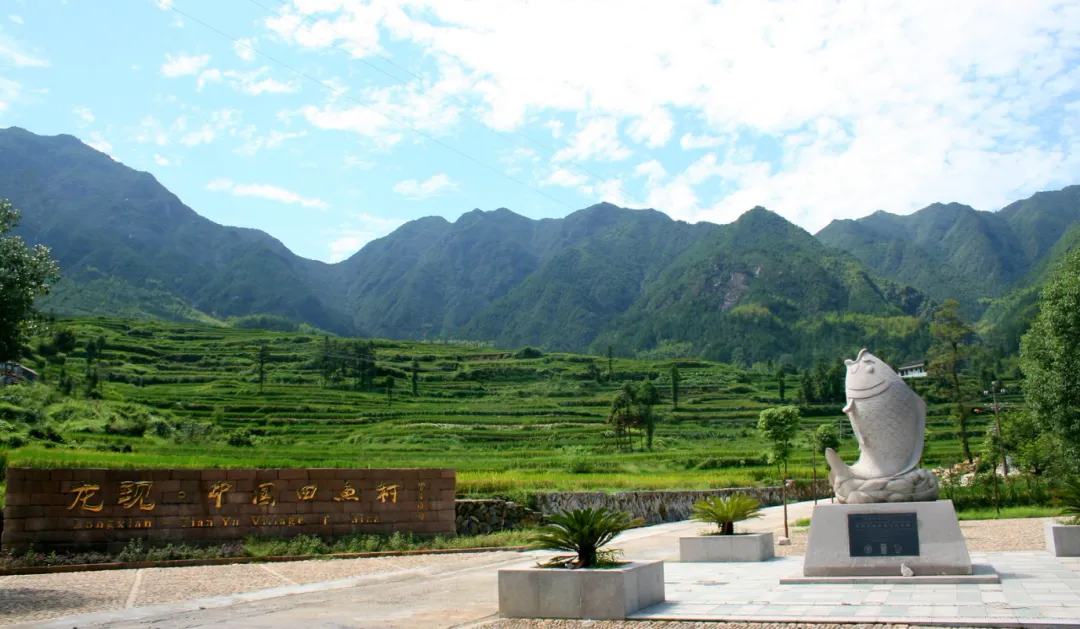
龙县村的主要农业产品包括水稻、鱼类和茶叶。尽管全村人均耕地面积仅为0.44公顷,但几乎每户农民都在稻田中种稻养鱼。除农业生产外,石雕和乡村旅游等非农产业也为农民生计提供了重要支持。村民的现金需求主要依靠移居西方国家的乡民汇款来满足。
The major agricultural products in Longxian village are rice, fish and tea. Although the per capita land in the village is only 0.44 hectares, each farmer grows rice and raises fish in their rice fields. Besides agriculture, off-farm activities, such as stone carving and tourism are supporting farmers' livelihoods in the village. Cash needs are mainly catered for through remittances by village members that have migrated to western countries.
虽然养鱼在一定程度上减少了水稻种植面积,但这种综合种养模式的整体收益高于单一种稻模式。这是因为在稻鱼系统中,水稻产量更高,农民还能通过销售鱼类获得额外收入,并且在多数情况下节省了化肥和农药的投入。一般而言,鱼类产量为每公顷300—450公斤,最高可超过每公顷1500公斤。
Although cultivating fish reduces the area available for planting rice, the integrated system lead to higher returns than those of rice monoculture. This is due to the fact that within the rice-fish system, the rice yield is higher, the farmers receive an additional income from the fish sales and in most of the cases they save on fertilizers and pesticides. Generally, fish yields are 300-450 kg/ha and with maximum yields of over 1,500 kg/ha.
Biodiversity and ecosystem functions
稻鱼系统的农业生物多样性包括森林物种(占水源涵养区的70%)、传统水稻品种(20个本地品种,其中许多濒危)、庭院种植植物物种,以及家畜家禽品种。鱼类方面,系统内养殖6个本地鲤鱼品种,包括红、黑、白及杂色类型。
Agricultural biodiversity of the Rice-Fish system includes forest species (70% of the water catchments), traditional rice varieties (20 native rice varieties – many threatened), plant species for home gardens, and livestock/poultry breeds. Concerning the fishes, 6 native breeds of carp red, black, white and variegated are grown up within the system.
稻鱼系统的生态功能十分显著,包括森林资源(占水源涵养区70%)的综合利用,以及通过稻鱼互动实现养分循环、病虫害控制和利用有机废弃物生产优质蛋白。系统中还利用4种满江红(Azolla)进行固氮,为鱼类提供富含蛋白的天然饲料;田间及田埂种植树木用于病虫害防控(民族植物农药)或为有益昆虫提供栖息地。
The ecosystem function of the Rice-Fish system is well evident, including the integrated use of forest (70% of water catchment) and managed rice-fish interactions for nutrient recycling, pest control and high quality protein production from organic waste material; use of 4 species of Azolla for nitrogen fixation and protein rich fish food and use of trees in field and hedges for pest control (ethno-pesticides or habitats for beneficial insects).
Knowledge systems and adapted technologies
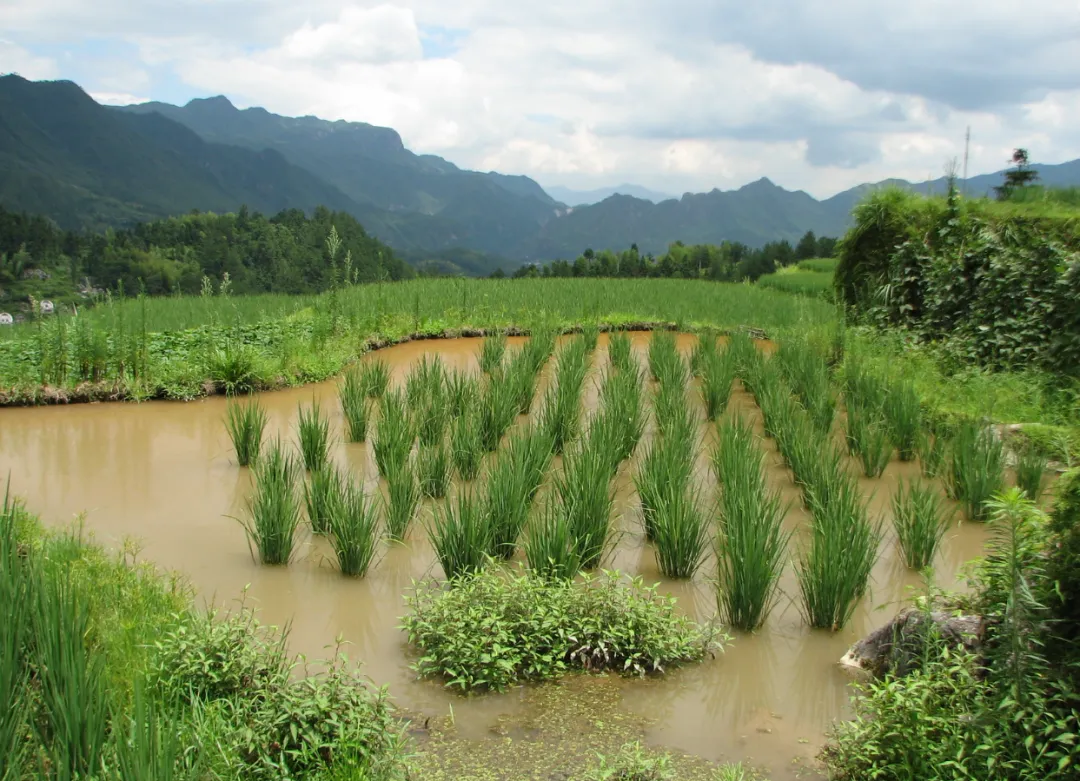
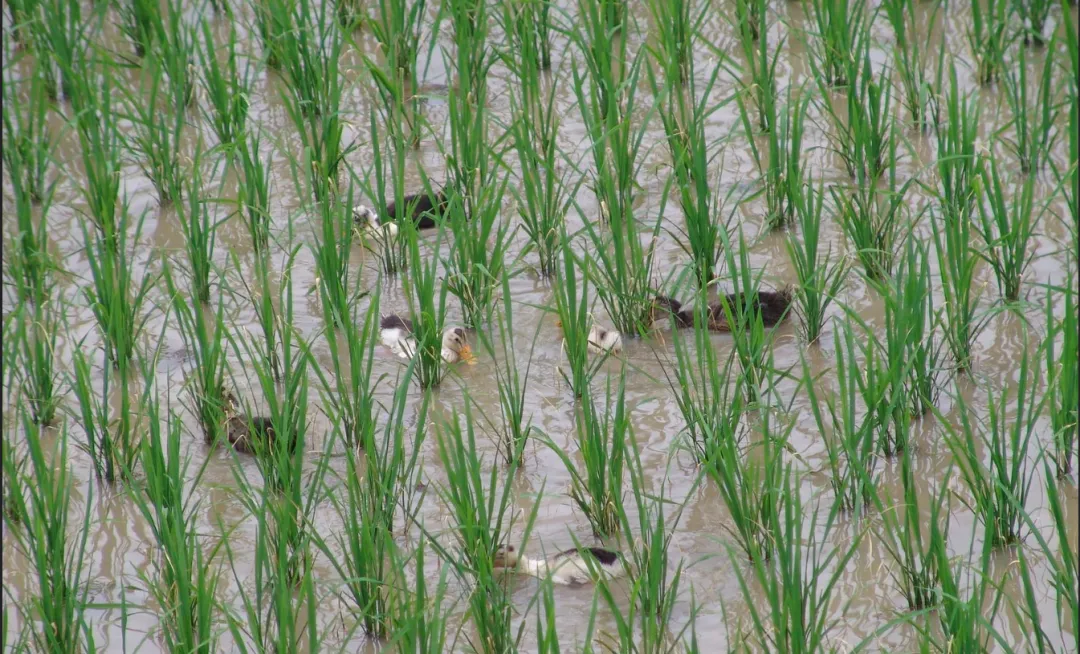
稻鱼系统是一种将鱼类养殖与水稻种植相结合的水产农业模式。通过在稻田中修建沟渠、垄沟或鱼坑,并保持适宜水位,在稻田环境不适宜鱼类生长时为其提供栖息空间。水稻生长过程中向空气释放氧气,浅水稻田使水体与空气充分接触,而鱼类活动的搅动也有助于维持水中溶氧水平,从而促进鱼类生长。
Rice-Fish System is an aquaculture system that integrates growing fish in flooded paddy fields. The combination of rice and fish is highly managed with the construction of ditches, furrows or ponds with appropriate level of water to host fish when conditions in the rice fields are not suitable to fish. Rice growth releases oxygen to the air. The shallow water in rice fields brings much water in contact with the air. The disturbance by fish activities also helps maintain oxygen solution in the water for fish growth.
稻鱼系统还可与其他有益植物相结合。不同水稻品种的间作能够显著降低稻病发生率,减少农药需求。这一做法有效恢复了曾因农药施用而受到威胁的稻田养鱼传统。
Rice and fish can be combined with other beneficial plants. The intercropping of different rice varieties in the rice fields could reduce significantly the incidence of rice diseases and needs of pesticides. This practice has helped to restore fish culture in the rice fields where the application of pesticides used to be a major threat to fish.
Cultures, value systems and social organizations
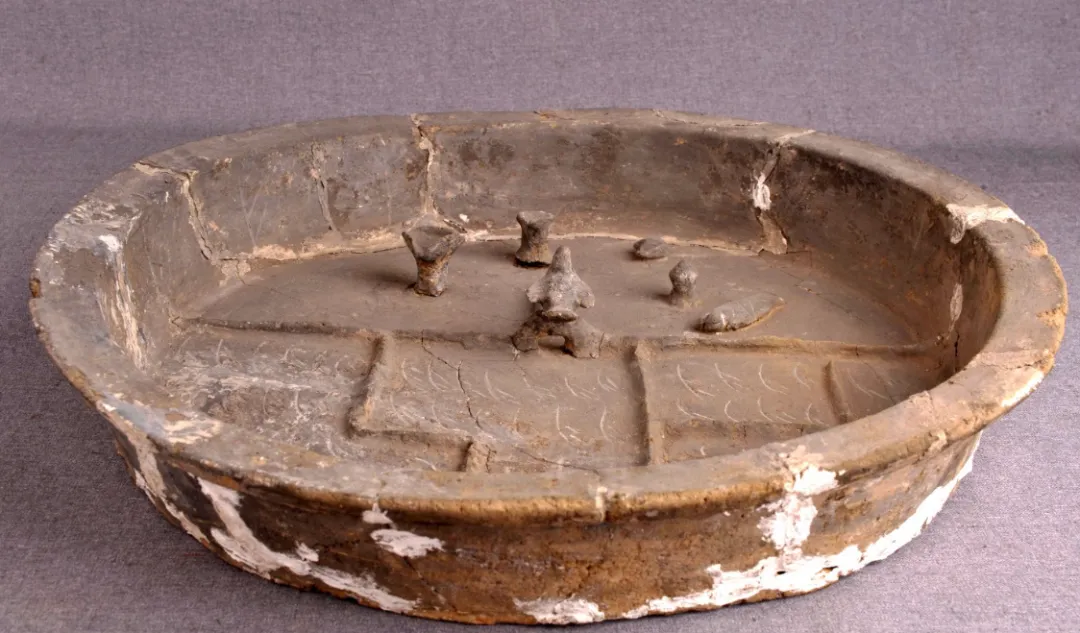
稻鱼系统不仅是一种生产方式,也是一种文化形态。在东汉中期(公元25—220年)的墓葬中,曾出土两件陶模型:一件为池塘模型,一件为稻田模型。池塘模型中包含15个微型构件(6条鲤鱼、1只鳖、3只青蛙和5个菱角),生动展现了古代稻鱼共生的情景。
The Rice-Fish system is described not only as one of production style, but also as one of the culture. In the tombs of the mid-Eastern Han Dynasty (25-220 AD), two clay models were unearthed: a model of a pond and a model of a rice field. The pond model contained 15 miniature pieces (6 common carp, 1 soft-shell turtle, 3 frogs, and 5 water chestnuts).
传统稻鱼舞蹈和地方特色菜肴等文化活动,均源于稻鱼系统。由于中国稻田规模普遍较小,农民之间的合作对于管理稻鱼生产至关重要。在某些情况下,种稻农户与养鱼农户共同利用同一块稻田进行生产。
Cultural activities like traditional rice-fish dance and traditional dishes are the results of the Rice-Fish system. As rice fields in China are small, farmers’ cooperation in the village is essential to managing this rice-fish culture. In some cases, rice growers and fish growers cooperate in using same rice fields for production.
Remarkable landscapes, land and water resources management features
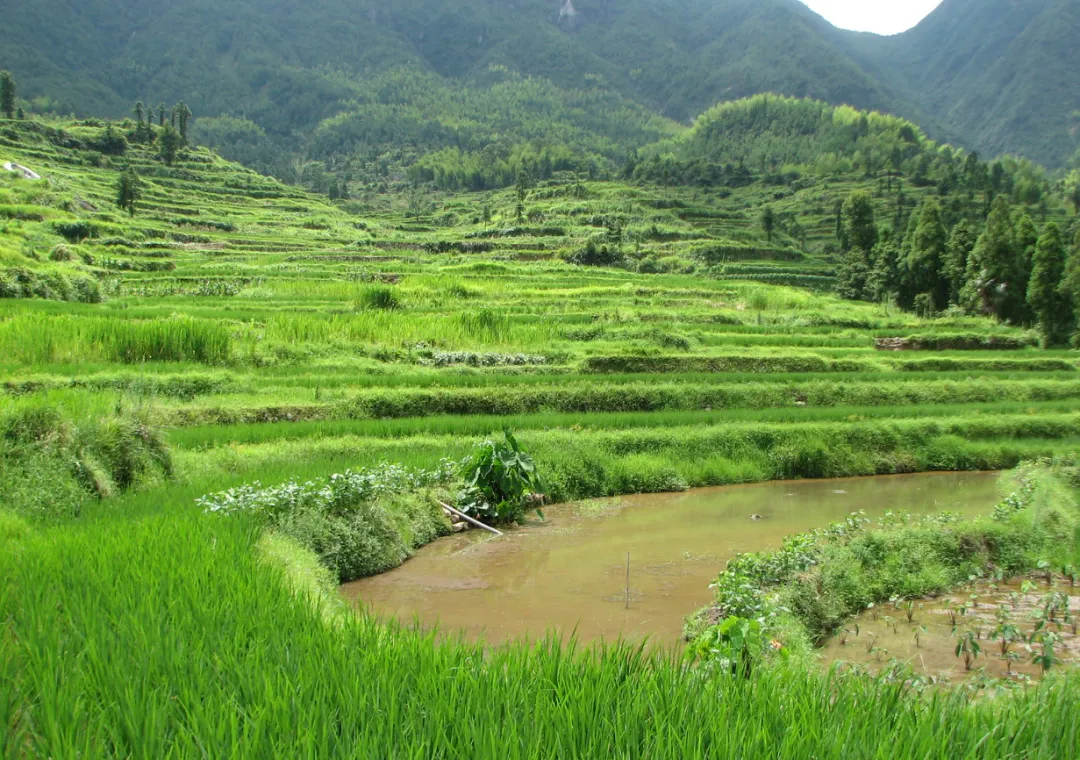
稻鱼系统塑造了独特的农业景观——森林环绕的活态梯田与稻田景观。在土地与水资源管理方面,农民通过自组织形式维护运转精巧的大型水利系统,包括渠道、沟渠和池塘等设施,保障农业生产与生态平衡的持续运行。
Rice fish systems have shaped the landscapes with its living paddies where the forest surrounds the fields. In terms of the land and water management, a larger ingenious water management system is maintaining where the farmers is self-organized to maintain canals, ditches and ponds.
(编辑内容来自粮农组织网)
 10个月宝宝每天需要喝多少奶粉?

