南京林业大学李仁爱等:基于活性低共熔网络构筑可回收、可再加工和可生物降解的纤维素基生物塑料
- 2026-10-11 07:24:14
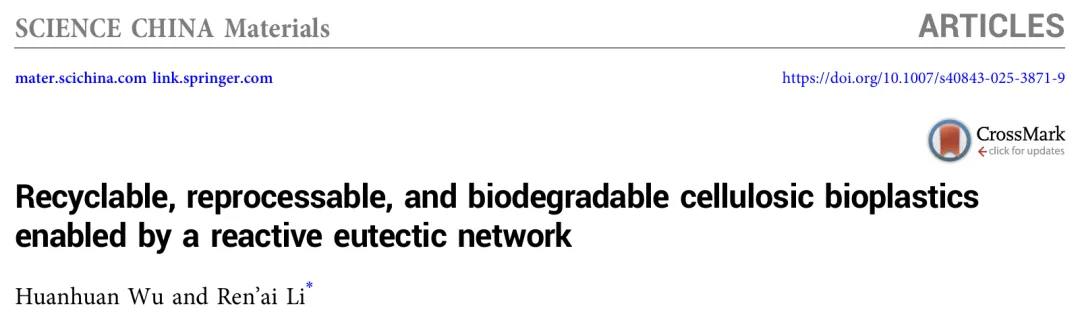
对可持续、高性能材料日益增长的需求,正推动着利用储量丰富的生物质(特别是纤维素)来替代石油基塑料的研究。然而,纤维素的有效改性和功能化常常受到复杂加工工艺和有限性能可调性的制约。
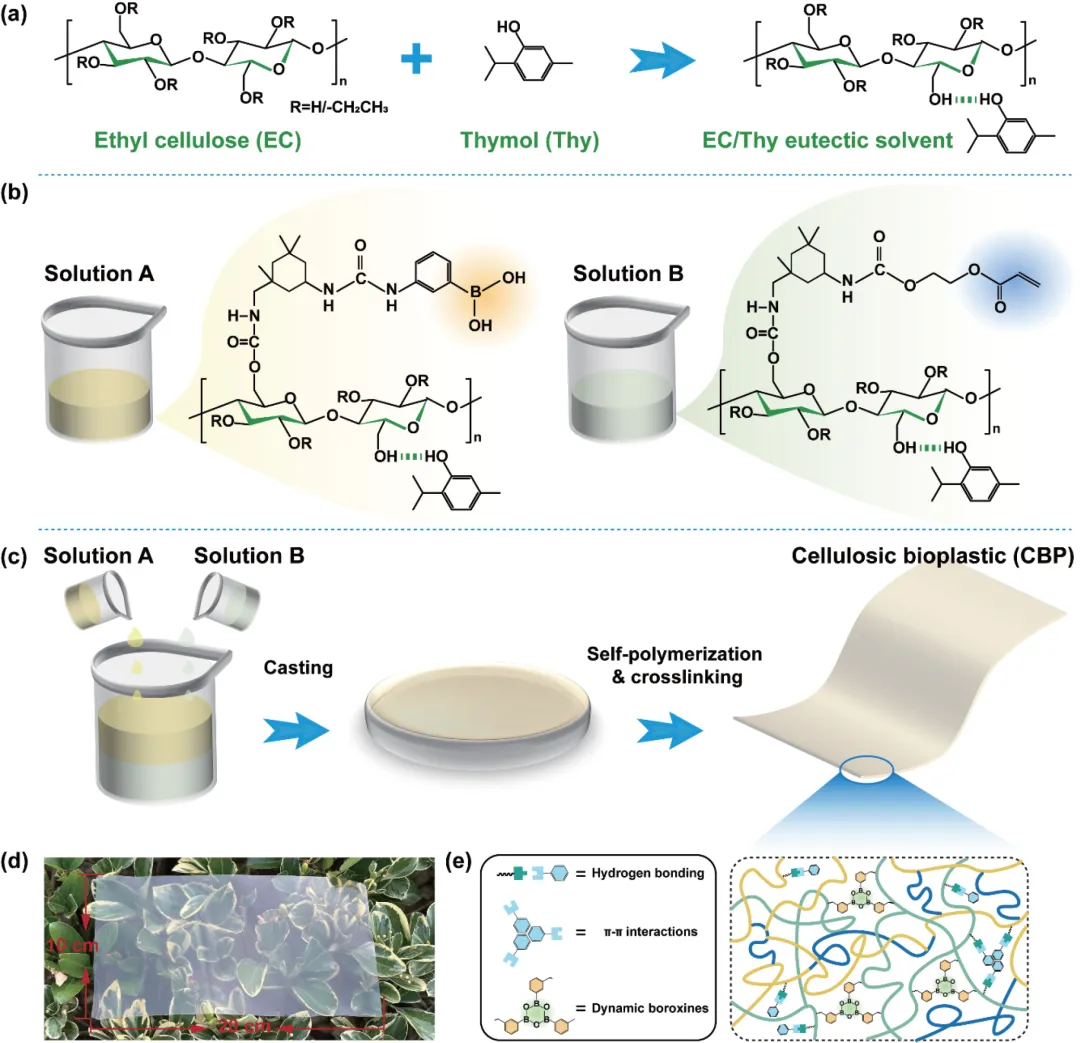
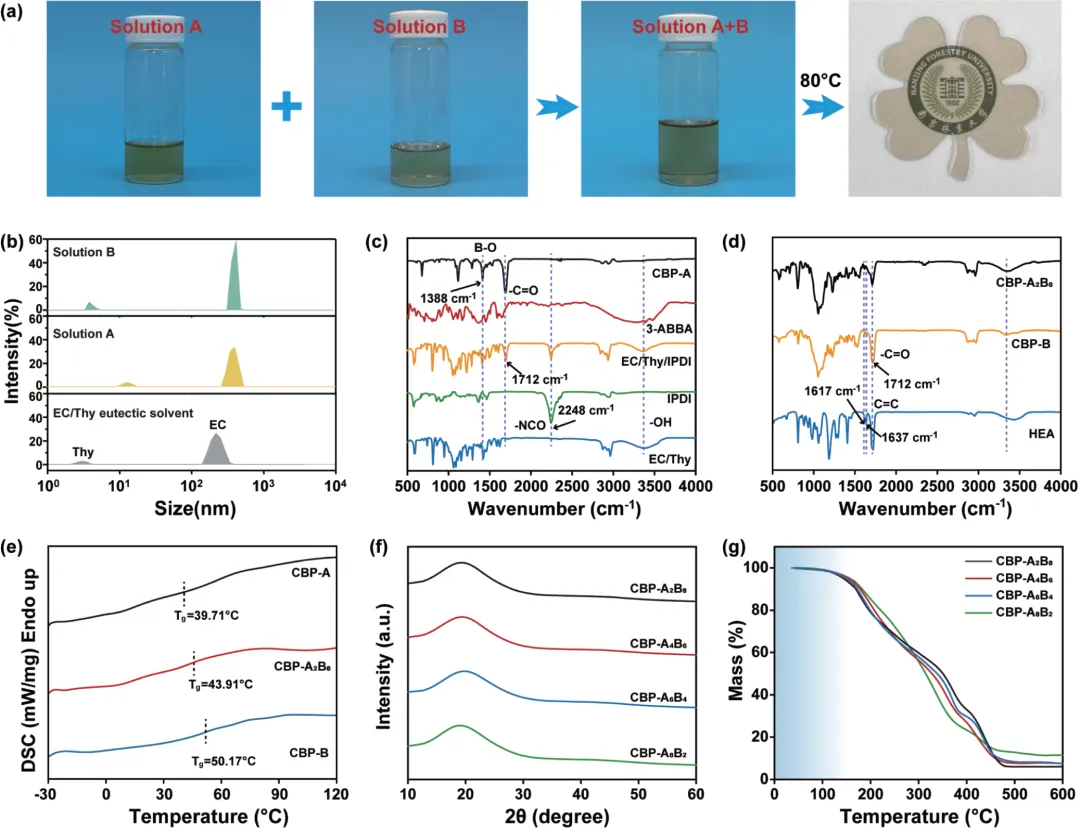
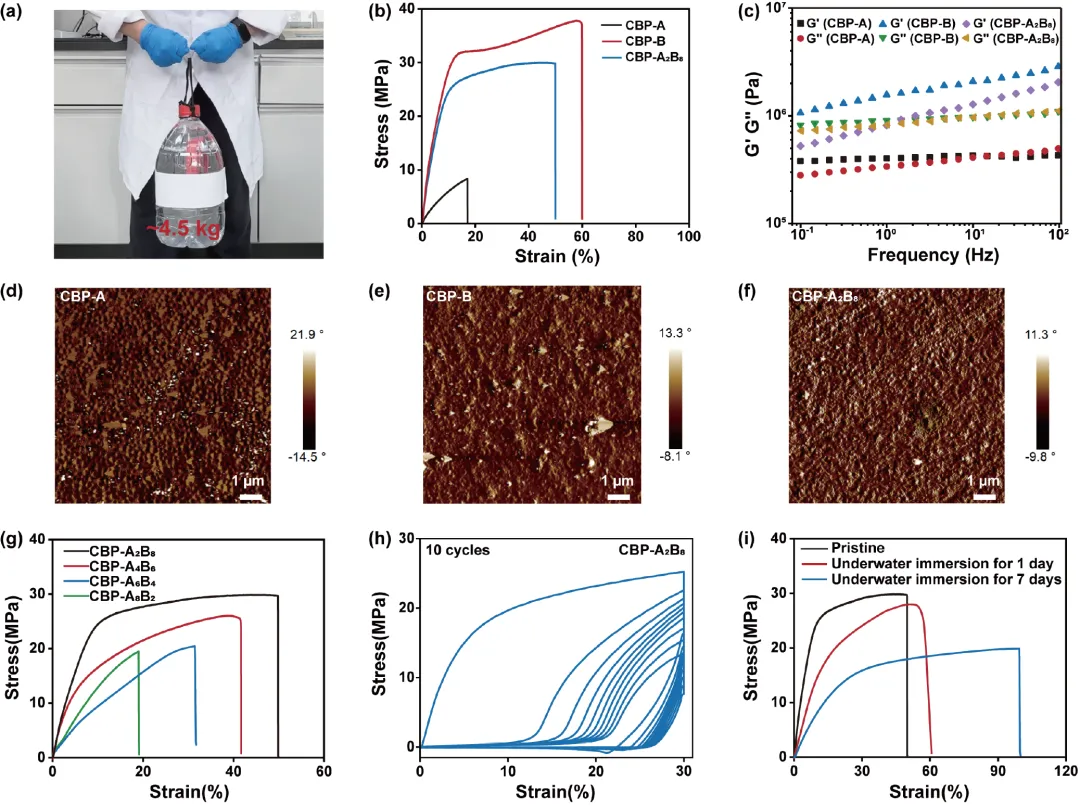
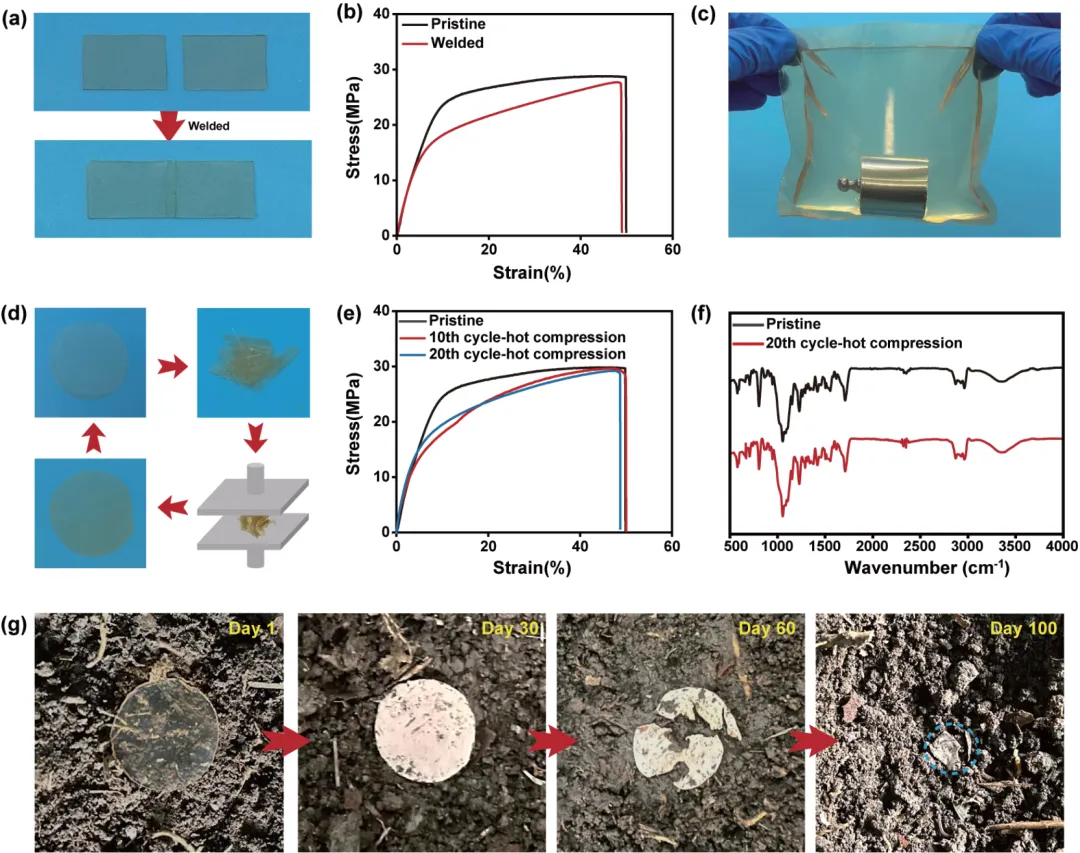
近日,南京林业大学李仁爱博士等人在Science China Materials发表研究论文,报道了一种基于乙基纤维素/百里香酚低共熔体系的创新“活性”绿色介质策略,该策略无需外加催化剂或引发剂,即可实现低共熔组分的原位化学改性并构筑动态自适应网络。
本文要点

Huanhuan Wu(武欢欢) received her Bachelor’s degree from Nanjing Forestry University in 2022. Currently, she is studying for her Master’s degree at the College of Light Industry and Food Science, Nanjing Forestry University, majoring in materials and chemical engineering. Her current research interests include bioplastics and green degradable electronic materials.

Ren’ai Li(李仁爱) received his PhD degree in pulp and paper engineering from South China University of Technology in June 2019. After completing his postdoctoral work in June 2021, he joined the College of Light Industry and Food Science at Nanjing Forestry University. His main research interests focus on the design and development of bioplastics, natural functional polymer materials, and flexible printed electronic devices.
文章信息

https://doi.org/10.1007/s40843-025-3871-9
 点击左下角“阅读原文”,阅读以上文章PDF原文
【扩展阅读】
Science China Materials 2025年度优秀论文评选结果发布!
Sci. China Mater. 出版“生物医用材料专题”
Sci. China Mater. 出版“生物材料与仿生材料专题”
东南大学黄宁平等综述:细胞膜仿生纳米粒的工程化变革——从杂化策略创新到微流控技术助力的精准制备
四川大学李建树&谢婧等:腹膜启迪的单侧润滑Janus屏障兼具程序性黏附和抗炎用于预防术后腹部粘连
扬州大学庞欢等综述:金属有机框架作为用于生物医学的功能性材料
山东大学刘宏&马保金等:MXene的磁电-生物活性协同调控巨噬细胞M1-M2程序极化加速感染伤口愈合
西北工业大学李鹏&严熠博等:抗菌、促血管生成和免疫调节微针清除耐药细菌感染并加速伤口愈合
长春应化所张洪杰院士等:基于可生物降解中空MOFs的纳米调制器通过协同阻断能量代谢实现针对原位胶质瘤的免疫治疗
牛德超&王霞&李晓伟&牛之慧等:受限电泳沉积策略制备具有增强机械性能和类酶活性的纳米颗粒集成水凝胶及其抗菌治疗
陕西师范大学赵娜&李楠等:分子工程化脂滴靶向NIR-II型AIE光敏剂激活铁凋亡和细胞凋亡用于癌症治疗
广州医科大学李仕颖教授团队:嵌合肽工程化光动力PD-L1降解剂联合抑制外泌体PD-L1激活结直肠癌免疫
华中科技大学赵元弟&樊锦轩等综述:用于癌症治疗的工程细菌——合成生物学与材料科学的协同创新
华东理工大学李永生&曹渊渊等:基于二氧化硫/纳米酶双锁递送系统的气体治疗/化学动力学协同抗癌疗法
点击阅读全文,了解更多
随机文章
-
 10个月宝宝每天需要喝多少奶粉?
- 保利叶之林业委会签下耻辱的“马关条约”-友邻来稿
- 湖南安发原生态农业旅游开发公司2026年02月03日鸡蛋价格
- 守好关口,织牢防线—中卫市林业和草原局2025年林木检疫工作交出满意答卷
- 林业管理局党委召开2025年民主生活会
- 【正式编制】云南省农业科学院公开招聘!招聘14人!
- 西双版纳勐海县林业和草原局护林员招聘(11人)公告,学历放宽~
- 云南农业大学博士生第一作者在一区Top期刊发表论文,首次揭示甘蔗叶片脱落全新路径
- 东阿县林业发展中心带队赴市花卉基地调研,赋能花卉产业提质升级
- 研究古代农业生产和农业工具的第一手图像古籍《农书》
- 北京林业大学于洋教授领衔 | EJSS“地球关键带中土壤记忆效应与滞后效应”特刊征稿