【爱易设】世界那么大,为防走散,请将AYS爱易设规划设计事务所加星标!关注爱易设,关注AYS规划设计事务所,点击上方名片-点右上角弹出菜单栏设为星标即可。
一、引言 | 都市农业3.0
近年来,都市农业在中国各主要城市悄然兴起并迅速升温。从上海青浦的“共享菜园”到温州瑞安的滨海都市田园,从北京王佐镇的田园综合体到广州农都里花城农园,都市农业正从一个概念走向规模化落地,涵盖智慧种植、社区农场、农旅融合、研学教育等多元形态。2025年中国休闲农业和乡村旅游接待人数超过35亿人次,营业收入突破9000亿元。值得关注的是,驱动这一趋势的核心力量并非政策指令或资本推动,而是城市居民日益强烈的田园梦想和体验式消费需求。“共享菜园”在全国各大城市一片火热,从济南的204块地迅速租罄,到杭州双休日800至1000人次的人流,背后折射出当代都市人对土地情结的集体回归。这一现象提出了一个值得深究的问题:如何基于城市居民的心理需求,系统性地规划都市农业,实现真正的“田园造梦”?
二、都市农业发展 | 背景与政策导向
都市农业的概念内涵与功能拓展:都市农业并非新生概念。其前身可追溯到1919年德国制定的“市民农园法”,1926年日本大阪市设立市民农园,“都市农业”一词于1930年首次见诸日本报刊。日本2015年颁布的《都市农业振兴基本法》明确都市农业拥有景观、交流、食育与教育、环境保全、防灾、地产地消六大功能。美国则赋予城市农业合法公共空间政策地位,明尼阿波利斯市通过将城市农业用地加入区划代码,构建起较为系统的城市农业规划策略。近年来,中国都市农业的内涵不断拓展。从传统的“种菜”向“种风景”“种体验”“种生活方式”跨越,形成“生产、生活、生态”聚集的“三生共融”格局。都市农业正在将“三生”融为一体,精准对接城市居民的多元化消费需求。
国内政策推动与空间规划实践:在国家层面,乡村振兴战略和城乡融合发展政策为都市农业提供了方向指引。各地在市县总体规划中积极布局都市农业。无锡等地提出利用城镇边缘地区以及城镇开发边界内保留的农用地,规划主导功能为农业种植、科普教育、休闲体验的都市农园。江苏省支持探索闲置土地临时开发利用,已有南京紫东国际创意园屋顶农场、苏州工业园区天空农场等实践。在政策创新方面,萧山区聚焦农业转型升级和都市农业高质量发展,力争培育亿元级“土特产富”全产业链5条以上、现代农业产业园20个以上。这些政策导向为都市农业的文旅规划提供了制度空间和资源保障。
The conceptual connotation and functional expansion of urban agriculture: Urban agriculture is not a new concept. Its predecessor can be traced back to the "Citizen Farming Law" formulated by Germany in 1919, and in 1926, the Osaka City of Japan established a citizen farm. The term "urban agriculture" was first seen in Japanese newspapers in 1930. 。The "Basic Law for the Promotion of Urban Agriculture" enacted by Japan in 2015 clearly states that urban agriculture has six functions: landscape, communication, food education and education, environmental conservation, disaster prevention, and real estate and consumption. In the United States, urban agriculture is given the status of a legal public space policy. The city of Minneapolis has established a relatively systematic urban agriculture planning strategy by including urban agricultural land in the zoning codes. In recent years, the connotation of urban agriculture in China has continuously expanded. It has moved from the traditional "growing vegetables" to "creating landscapes", "providing experiences", and "developing lifestyles", forming a "trinity integration" pattern of "production, life, and ecology". Urban agriculture is integrating "production", "life", and "ecology" into one, precisely meeting the diversified consumption demands of urban residents.
Domestic policy promotion and spatial planning practice: At the national level, the rural revitalization strategy and the policy of integrated urban-rural development provide direction guidance for urban agriculture. Various regions actively plan urban agriculture in their city and county master plans. Places like Wuxi have proposed to utilize the edge areas of towns and the retained agricultural land within the urban development boundaries, planning the main functions as agricultural planting, science and education promotion, and leisure and experience, to create urban agricultural gardens. Jiangsu Province supports the exploration of temporary utilization of idle land. There have been practical examples such as the rooftop farm in Nanjing Zidong International Creative Park and the sky farm in Suzhou Industrial Park. In terms of policy innovation, Xiaoshan District focuses on the transformation and upgrading of agriculture and the high-quality development of urban agriculture, aiming to cultivate more than 5 industrial chains with an annual output value of over 100 million yuan for "local specialties-based prosperity", and more than 20 modern agricultural parks. These policy orientations have provided institutional space and resource guarantees for the tourism and cultural planning of urban agriculture.
三、田园消费心理分析 | 都市人缘何追捧“共享菜园”
从物质满足到情绪疗愈的消费逻辑转型:“共享菜园”的火爆,本质上是消费升级背景下体验式需求的集中释放。消费观念正在发生深度转变:过去城市消费以购物消费、餐饮娱乐为主,人们追求物质层面的满足;如今沉浸式体验、亲手实践、亲近自然成为许多人的消费偏好。共享菜园年租金从数百元到数千元不等仍供不应求,这一消费结构的深刻变化为都市农业复制推广提供了市场支撑。消费逻辑从“买产品”转向“买体验”、从“个体行为”转向“社交行为”、从“物质占有”转向“情感连接”的三大转变,构成了“田园造梦”的市场基础。
多重心理需求的叠加效应:农耕活动能够降低皮质醇水平,缓解焦虑情绪。“干农活时脑子里什么都不想,只专注于眼前的土地”,换来的是远超心理咨询性价比的情绪价值。对亲子家庭而言,“共享菜园”提供了最生动的自然教育课堂。教育部发布的《义务教育劳动课程标准》要求学生掌握种菜、饲养等基础劳动技能,共享菜园恰好解决了城市孩子缺乏农耕场景的问题。对上班族来说,这是逃离城市喧嚣的小天地。对老年人而言,种菜是重拾农耕记忆的生活方式。
“复合价值”消费的特征呈现:共享菜园的价值远超蔬菜产出本身,消费者收获的不仅是农产品,更是集健康、体验、情绪、教育于一体的复合价值。这种复合价值的经济转化效果惊人——农场亩均年收入从六七千元提升至3.5万元。复合价值消费具有空间稀缺性、身份象征性与社群归属感三重特征,这正是规划实践中需要着力捕捉的消费逻辑。
四、以“田园造梦”为核心的都市农业文旅规划框架
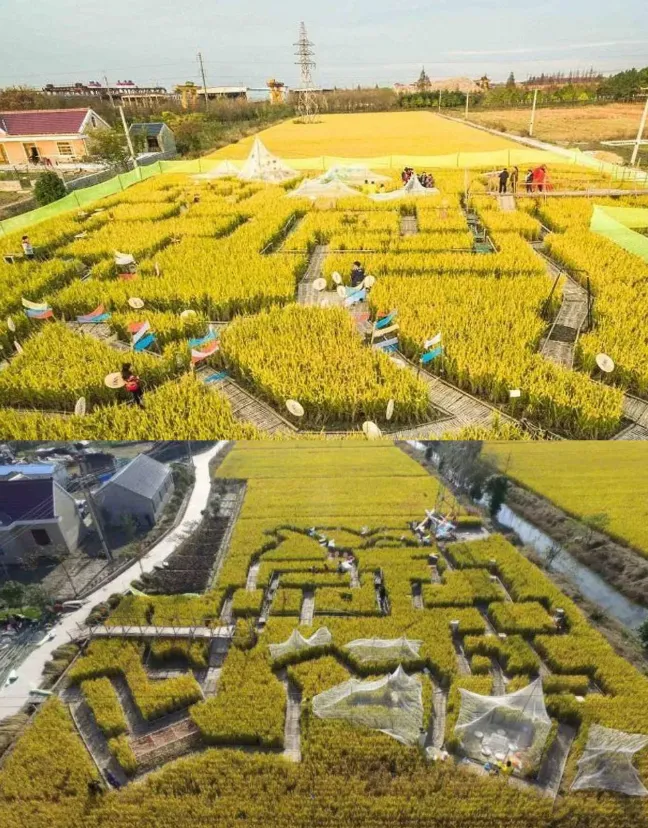
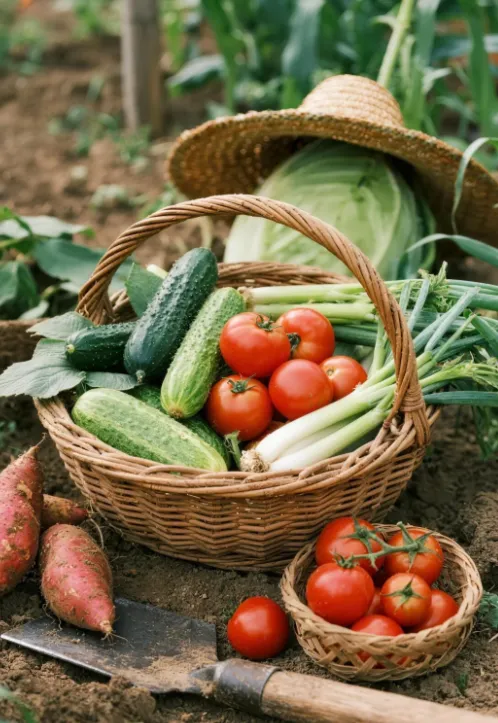
规划理念:“田园造梦”的核心理念,是从“种菜”到“种梦想”的范式转换。在都市农业3.0时代,消费者购买的不仅是农作物,更是田园生活方式的梦想。具体包含三重境界:浅层造梦——提供亲自然、亲土地的触觉体验;中层造梦——构建可参与的农耕生活方式;深层造梦——实现城乡居民的文化认同与价值共鸣。滨海都市田园“我们不仅要种菜,还要‘种风景’”正是这一理念的生动写照。
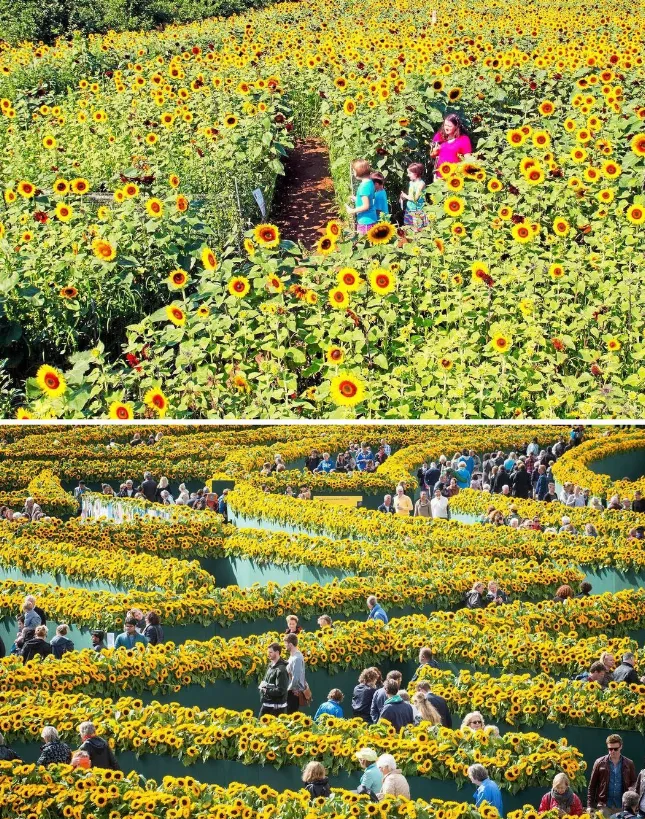
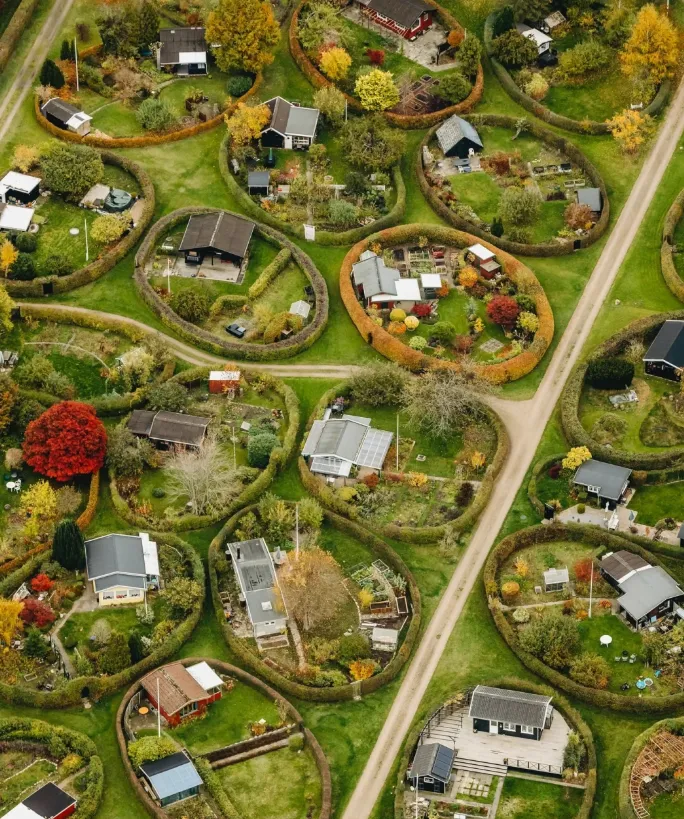
空间规划策略:一是圈层化功能布局。依据城市区位与功能定位,构建“核心区—近郊区—远郊区”三级空间网络。核心区充分利用存量小微空间进行改造利用,代表形态包括屋顶农场、社区共享园、街巷口袋农园。无锡利用城镇边缘地区规划都市农园,便是以存量空间焕发新价值的典型案例。浦东新区鼓励在城市微更新中融入城市农业理念。近郊区连片打造集观光、体验、研学的综合田园体,代表形态包括主题田园综合体。北京王佐镇佃起村田园综合体占地1000亩,春踏青赏花、夏观稻田画、秋收割水稻、冬温室大棚采摘,形成四季运营格局。远郊区则定位为规模化生产、品牌化运营的基地型农业。二是复合空间设计。创造“社交+劳作”交互性公共空间,在田块之间留出社交节点,供家庭聚会、野餐露营;强化景观可观赏性,以特色作物形成大地景观;预留灵活改造弹性以适应不同群体需求,如“共享菜园”单包、半托、全托等不同模式。三是渐进式空间嵌入。从利用闲置空地的微型共享菜园改造起步,逐步扩展到规模化的综合田园休闲区,形成动态生长、渐进完善的空间演进路径。
业态体系规划:业态体系规划通过“农业+”的深度融合拓展产业链价值。一是“农业+文旅”,深度挖掘在地农业文化资源,打造可游、可玩、可学的公共空间。整合种植基地与农趣研学资源,打造“科普教育+农事体验+生态旅游”融合品牌,并开发农业IP形象与文创衍生品。莘塍街道打造的“西咕咕”“花菜菜”特色IP已衍生文创产品十几种,实现从田间到文创产业的跨越。二是“农业+亲子研学”,结合节气设计时令性农耕体验活动,形成“在劳动中学习”的自然教育体系。三是“农业+健康疗愈”,将农耕劳作与健康饮食、心理调适相结合,满足消费者对健康生活方式的追求。四是“农业+科技体验”,开发线上认养、云端观察等智慧农业项目。盒马的数字化探索和南昌红谷滩的“田园元宇宙”项目,体现了科技赋能都市农业的新路径。复合业态体系要满足全年龄段消费需求:幼儿通过亲子采摘获得自然启蒙,青少年通过农耕研学认识生命成长,中青年通过劳作体验舒缓压力,老年人通过农事活动重拾生活意义。
运营模式规划:一是认养农业模式升级,提供灵活的阶梯式服务定价,延长沉浸式农作周期,将田园生活从偶尔的度假选项转变为可持续的日常实践。二是平台化跨界融合,探索商业平台赋能认养农业。盒马在上海地区推出“沪上共享菜园”,将农事体验嵌入新零售场景。盒马负责人表示该项目旨在让消费者亲身体验农耕乐趣,通过标准化与数字化提升认养农业价值链。三是社区营造模式,通过农事活动构建基于土地的情感社群,实现“用户变农场主、农场主变社群主”的价值转化。四是与城市社区、学校、企业建立长期稳定的合作关系,通过校企合作、社区共建等方式,实现运营模式的可持续发展。
体验营造规划:从空间感知、时间节律、情感连接三个维度设计沉浸式体验。在空间维度上,以一条“种菜—收成—烹饪”的完整旅程串联知觉序列,让消费者经历播种、管护、收获、加工的全过程情感递进。在时间维度上,结合四季农耕时序设计仪式化节点事件,营造田园生活的时间锚点。从春天的开耕礼到夏天的观稻田画、秋天的丰收节,再到冬天的温室采摘,形成四季有景、一年有节、日日有盼头的田园时光体系。在情感维度上,通过持续的社群运营从“造空间”升级为“造归属”。当“我在田园有块地”成为消费者可感知的存在,才真正实现了田园梦的照进现实。
Planning concept: The core concept of "Dreaming in the Countryside" is a paradigm shift from "growing crops" to "growing dreams". In the 3.0 era of urban agriculture, consumers not only purchase crops but also dream about the rural lifestyle. It specifically includes three levels: shallow dreaming - providing tactile experiences that are close to nature and the land; middle-level dreaming - constructing an interactive agricultural lifestyle; deep-level dreaming - achieving cultural identity and value resonance between urban and rural residents. The coastal urban countryside "We not only grow crops, but also 'grow scenery'" is a vivid portrayal of this concept.
Spatial planning strategy: First, the hierarchical functional layout. Based on the city's location and functional positioning, a three-level spatial network of "core area - near suburbs - far suburbs" is constructed. The core area fully utilizes the existing small-scale spaces for renovation and utilization, with representative forms including rooftop farms, community shared gardens, and street alley pocket gardens. Wuxi's urban agricultural garden is a typical case of revitalizing existing space with new value. The Pudong New Area encourages integrating urban agricultural concepts in urban micro-renewal. The near suburbs create integrated rural bodies for sightseeing, experience, and study tours, with representative forms including theme rural complexes. The Tianzai Village Rural Complex in Wangzao Town, Beijing, covers 1,000 acres and features operations such as spring picnics and flower viewing, summer rice field paintings, autumn rice harvesting, and winter greenhouse farm picking, forming a four-season operation pattern. The far suburbs are positioned as base-type agricultural production and brand-based operation bases. Second, composite space design. Create "social + labor" interactive public spaces, leaving social nodes between fields for family gatherings, picnics, and camping; enhance the visual appeal of the landscape by using characteristic crops to form a landscape on the land; reserve flexible renovation flexibility to adapt to different group needs, such as "shared vegetable gardens" with single packages, semi-entrusted, and full entrustment models. 。 The third is the gradual spatial embedding. Starting from the transformation of small-scale shared vegetable gardens using idle vacant land, it gradually expands to large-scale integrated rural leisure areas, forming a dynamic and progressive spatial evolution path.
Business model planning: The business model planning expands the value of the industrial chain through the deep integration of "agriculture +". First, "agriculture + tourism and culture", deeply exploring local agricultural cultural resources to create public spaces that are enjoyable to visit, play, and learn. Integrating planting bases with agricultural-themed educational resources, creating a brand that combines "science and education + agricultural experience + ecological tourism", and developing agricultural IP images and cultural derivative products. The "Xigugu" and "Huacea" characteristic IPs created by Xincheng Street have derived more than ten types of cultural products, achieving a leap from the field to the cultural industry. Second, "agriculture + family education and research", combining seasonal agricultural activities designed according to the seasons to form a natural education system of "learning through labor". Third, "agriculture + health therapy", combining agricultural labor with healthy diet and psychological adjustment to meet consumers' pursuit of a healthy lifestyle. Fourth, "agriculture + technology experience", developing smart agriculture projects such as online adoption and cloud observation. The digital exploration of Hema and the "agricultural metaverse" project in Nanchang Hongguan Tan demonstrate the new path of technology empowering urban agriculture. The composite business model system should meet the consumption needs of all age groups: young children obtain natural enlightenment through parent-child picking, teenagers understand life growth through agricultural research and education, middle-aged people relieve stress through labor experience, and the elderly regain the meaning of life through agricultural activities.
Operation mode planning: First, upgrade the adoption agriculture model, provide flexible stepwise service pricing, extend the immersive agricultural operation cycle, and transform rural life from an occasional vacation option into a sustainable daily practice. Second, platform-based cross-border integration, explore the empowerment of adoption agriculture by commercial platforms. Hema launched the "Shanghuai Shared Vegetable Garden" in the Shanghai area, embedding agricultural experiences into the new retail scenario. The Hema executive stated that the project aims to allow consumers to experience the joy of farming, improving the value chain of adoption agriculture through standardization and digitalization. Third, community building model, through agricultural activities to build an emotional community based on the land, achieving the value transformation from "users becoming farmers, farmers becoming community leaders". Fourth, establish long-term stable cooperative relationships with urban communities, schools, and enterprises, and achieve sustainable development of the operation model through school-enterprise cooperation and community共建 methods, creating a time-honored and year-round rural time system with scenes changing with the seasons and year-round festivals.
Experience creation planning: Design immersive experiences from three dimensions: spatial perception, time rhythm, and emotional connection. In the spatial dimension, connect the complete journey of "planting - harvest - cooking" through a coherent perception sequence, allowing consumers to experience the emotional progression from sowing,care,harvest,to processing. In the time dimension,design ritualized event nodes in accordance with the seasonal agricultural schedule, creating time anchors for rural life. From the spring opening ceremony to the summer rice field painting viewing, autumn harvest festivals,to winter greenhouse picking, form a rural time system with scenes changing with the seasons and year-round expectations. In the emotional dimension,through continuous community operations,upgrade from "creating space" to "creating belonging". When "I have a plot of land in the countryside" becomes a perceptible existence for consumers, the rural dream has truly been realized in reality.
- END -
内容整理|爱易设文旅规划院、AYS爱易设文旅促进中心
素材来源|部分文案及图片来源于网络
文章作者 | 张璇 Nico
文章声明|文章及图片内容仅供参考,我们尊重原创和知识产权,所有转载或改编均会明确标注出处;若不慎侵犯了第三方权益,请立即联系我们,我们将尽快删除。
▼

 10个月宝宝每天需要喝多少奶粉?