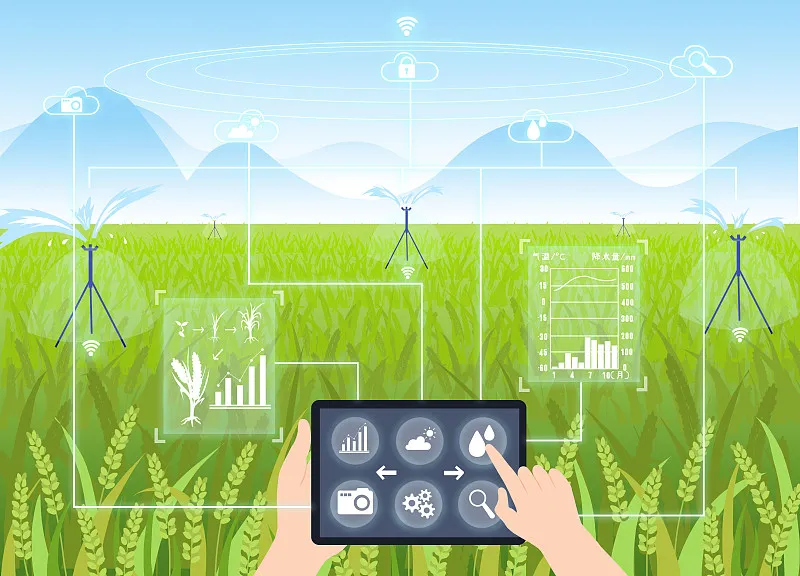
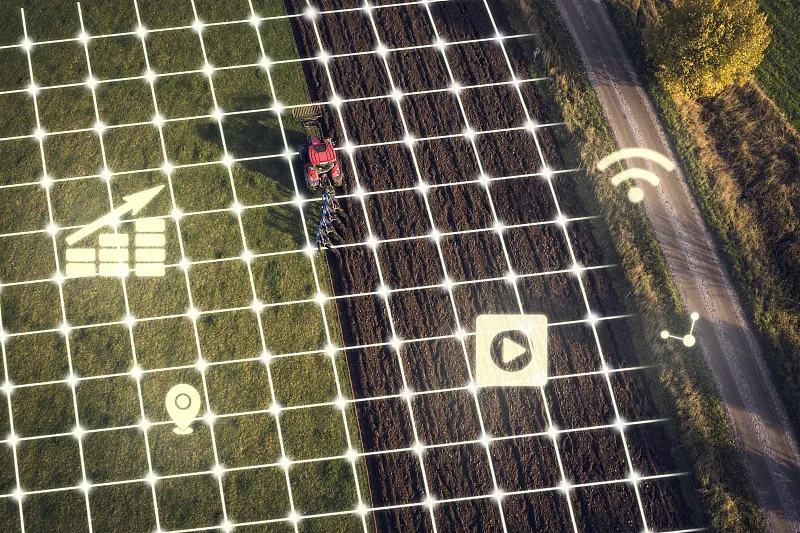
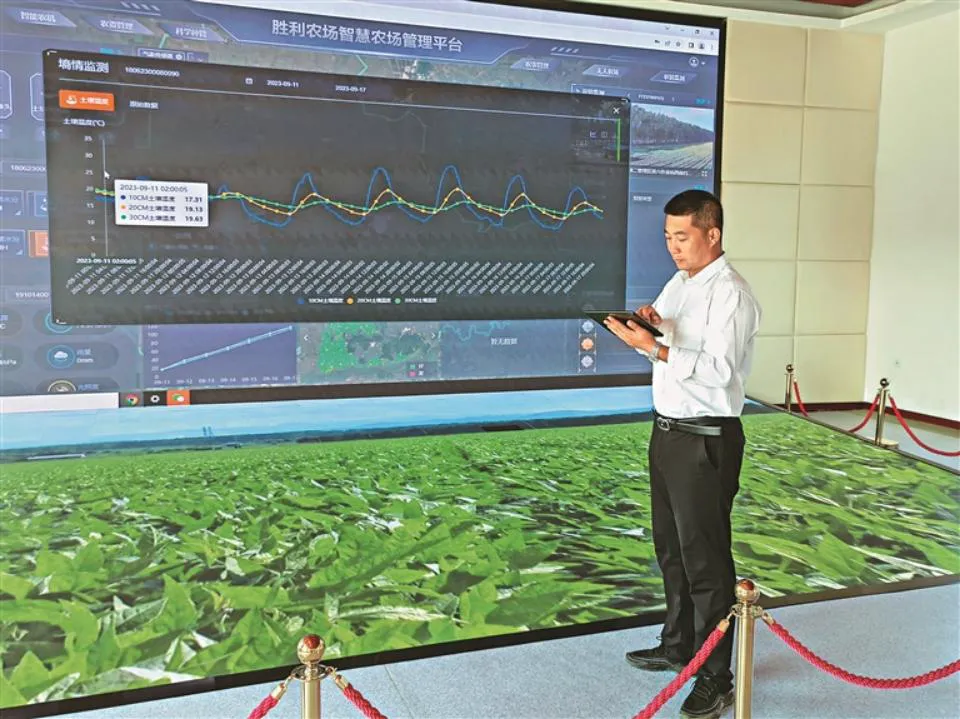
The integrated application of agricultural big data with technologies such as the Internet of Things and remote sensing has effectively improved the precision of agricultural production and the intelligence of environmental monitoring. It integrates multi-dimensional data including weather, soil and crop growth to form scientific decisions, realizes the precise application of water, fertilizer and pesticides, reduces resource consumption, and reconstructs agricultural production, management and sales models. In terms of economic management, agricultural big data promotes intelligent and diversified management, plays a preventive and guiding role, avoids risks, and supports the transformation of agricultural decision-making from experience-driven to data-driven. In the operation link, big data platforms connect production and marketing information, match market demand, reduce transaction costs, and alleviate the contradiction between small-scale production and a large market. In addition, it eliminates information asymmetry, facilitates rural development and refined grassroots governance, promotes the transformation of traditional agriculture to modern agriculture, and advances the deep integration of agricultural informatization and modernization.