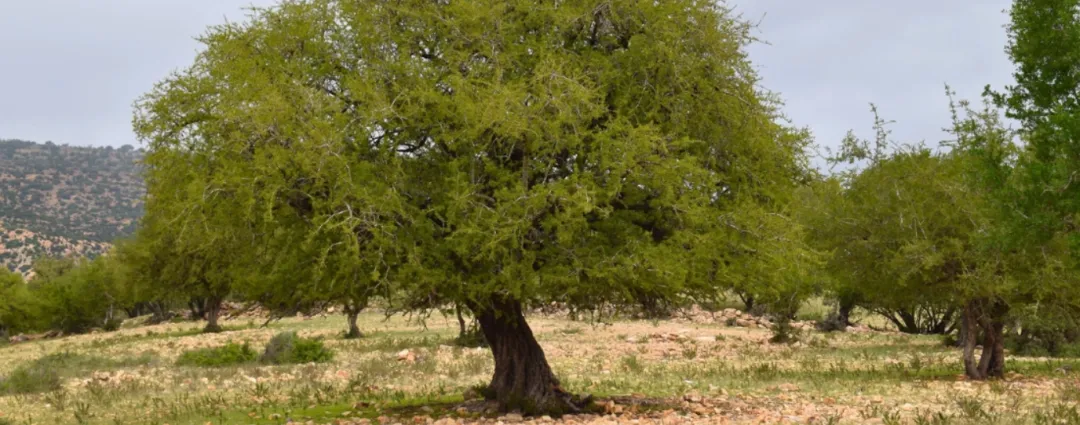
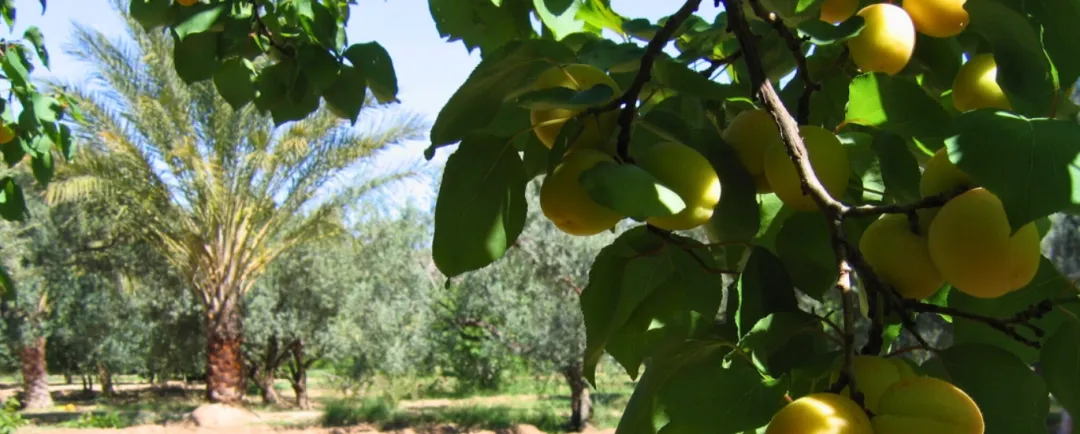
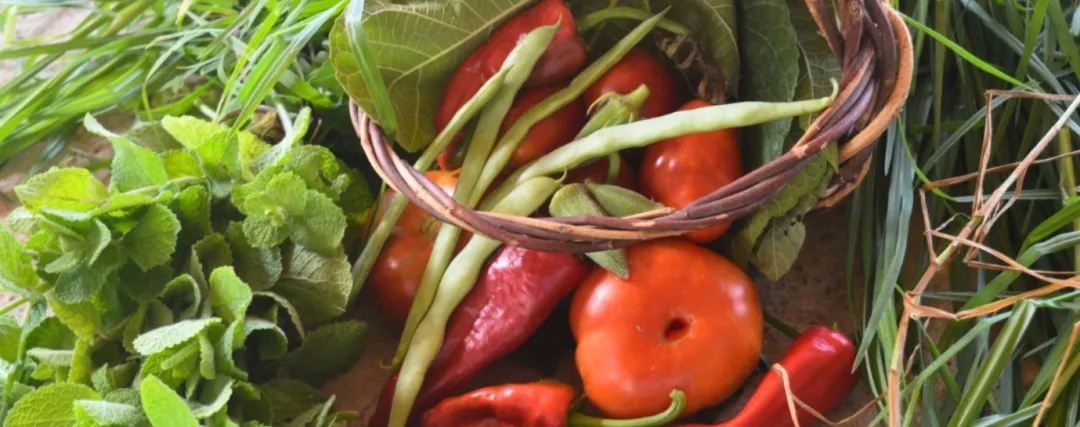
In the desert of Algeria, the ghout traditional hydro-agricultural system consists in digging into the soil using wind knowledge to plant date palms on top of groundwater resources. The sustainable multilayered system allows cultivation of vegetables and fruit trees under date palms, and also maintains biodiversity of plants, insects and animals.在阿尔及利亚的沙漠地区,ghout 传统水利农业系统通过利用对风向与风力的认识,在地下水资源之上向下挖掘土壤,以种植椰枣树。该可持续的多层复合种植系统,使人们能够在椰枣树下种植蔬菜和果树,同时也维护了植物、昆虫和动物的生物多样性。In the High Atlas Mountains of Maghreb, Morocco, local communities face extreme climatic conditions. Despite scarce water resources, farmers have succeeded in creating adapted cold oases systems by integrating vegetables, cereals and fruits production with pastures for animals through crops rotation and agroforestry techniques, organized with a remarkable water management.在马格里布地区摩洛哥的高阿特拉斯山脉,当地社区面临着极端严酷的气候条件。尽管水资源匮乏,农民们依然成功构建了适应寒冷环境的“冷绿洲”农业系统。他们通过作物轮作和农林复合经营等技术,将蔬菜、谷物和水果的生产与畜牧放牧相结合,并依托精妙而有序的水资源管理体系,实现了农业的可持续发展。Argan trees have been cultivated for centuries in the agro-forestry-pastoral system, based on agroforestry practices in dry stone terraces highly resilient to arid environment, water scarcity and poor soils. The system uses locally adapted species and pastoralism activities, is tightly linked to the local biodiversity, and utilizes underground water tanks called "Matifyia".阿甘树数百年来一直在农林牧复合系统中被栽培。这一体系以干石砌梯田上的农林复合经营为基础,具有极强的抗旱性,能够适应干旱环境、水资源匮乏以及贫瘠土壤等不利条件。该系统采用本地适生物种,并结合牧业活动运行,与当地生物多样性紧密相连。同时,它还利用一种名为“Matifyia”的地下蓄水池,以储存和调节水资源,从而保障农业与牧业的可持续发展。
It is characterized by the interdependence and interconnection of pastoralist and farming communities. Pastoralists nomadic communities have always traded with Figuig farmers who developed smart cities called Ksour based on water springs. Each Ksar is the starting point of an outstanding irrigation network that extends into hundreds of oasis plots.这一体系的特点在于牧民与农民社区之间的相互依存与紧密联系。游牧牧民群体长期以来与菲吉格的农民进行贸易往来。当地农民依托泉水资源,发展出被称为“Ksour”(复数形式;单数为“Ksar”)的智慧型聚落城市。每一座 Ksar 都是一个卓越灌溉网络的起点,该网络向外延伸,覆盖数百块绿洲农田地块,形成高度组织化的水资源分配与农业生产体系。
The Gafsa oases is a green area situated in the dry lands of Tunisia. The system of production is based on water management and a complex multi layered system including three levels of plantation. Growing plants has been made possible thanks to the ground water resources and the local communities’ knowledge.加夫萨绿洲位于突尼斯干旱地区,是一片珍贵的绿色地带。其生产体系以精细的水资源管理为基础,构建了一个复杂的多层种植结构,通常包括三层植物群落。得益于地下水资源以及当地社区长期积累的知识与经验,各类作物得以在干旱环境中生长。这种多层复合农业系统不仅提高了土地利用效率,也增强了生态系统的稳定性与可持续性。
Located on the slopes of Jbel el Gorrâa Mountain, the gardens of Djebba el Olia form a unique agroforestry system rich in biodiversity. At an altitude of 600m, farmers have integrated agriculture on terraces derived from natural geological formations or by building them out of dry stone, backed by an efficient irrigation system.位于杰贝勒·戈拉山(Jbel el Gorrâa)山坡上的杰巴·艾勒·奥利亚花园,构成了一个独特且生物多样性丰富的农林复合系统。在海拔约600米的高度,农民将农业活动整合到梯田之中。这些梯田有的源自天然地质构造,有的则通过干石砌筑而成,并配套建设了高效的灌溉系统。这一体系充分体现了当地社区对自然地形的巧妙利用,以及在有限水资源条件下实现农业可持续发展的智慧。
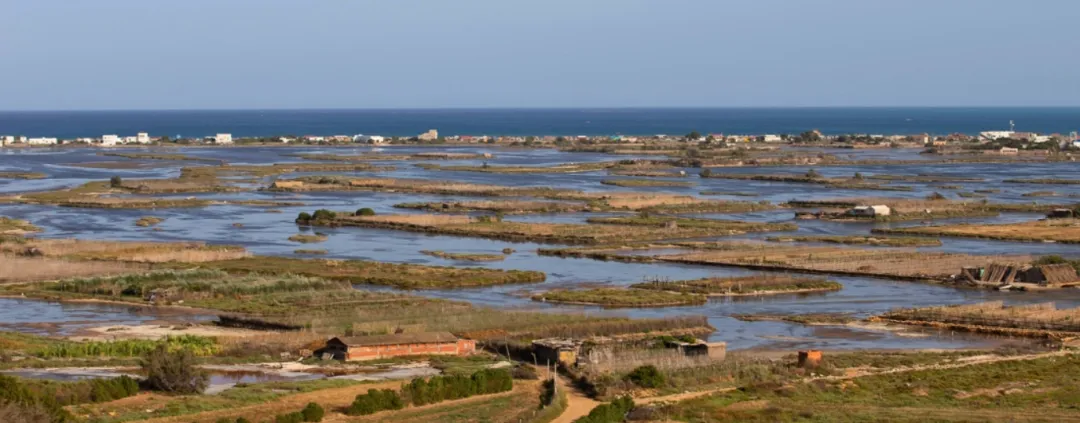
Ramli, ethymologically on sand, are agricultural practices that grow crops on sandy substrates in the lagoons of Ghar El Melh. The roots of the plants are fed by the rainwater stored and floating on the surface of the sea water through the movements of the tides.“Ramli”一词在词源上意为“在沙地上”。它指的是在加尔·埃勒·梅勒泻湖沙质基底上开展的一种独特农业实践。在这种体系中,作物种植于泻湖中的沙地之上。植物的根系依靠雨水生长,这些雨水储存在沙层中,并在潮汐运动作用下漂浮于海水表层之上。通过巧妙利用潮汐与淡水—海水之间的密度差异,当地农民得以在特殊的滨海环境中实现农业生产,展现出对自然条件的深刻理解与适应能力。
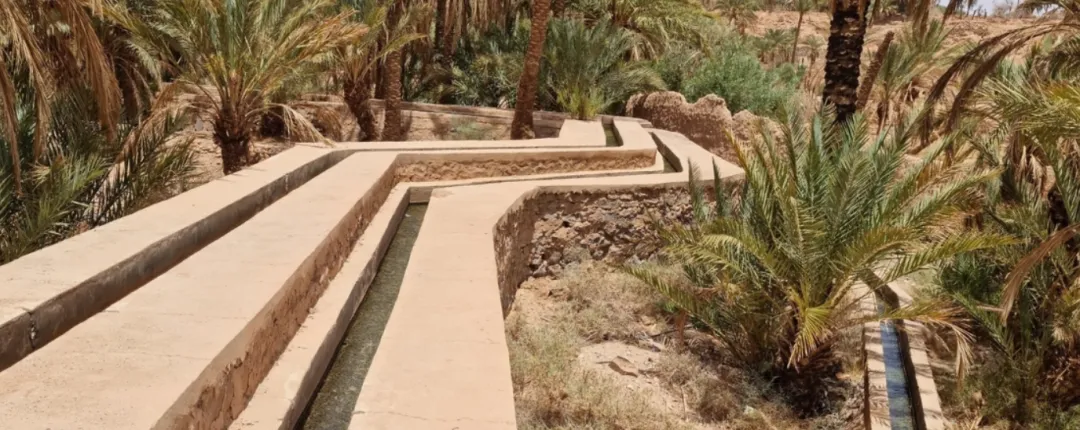
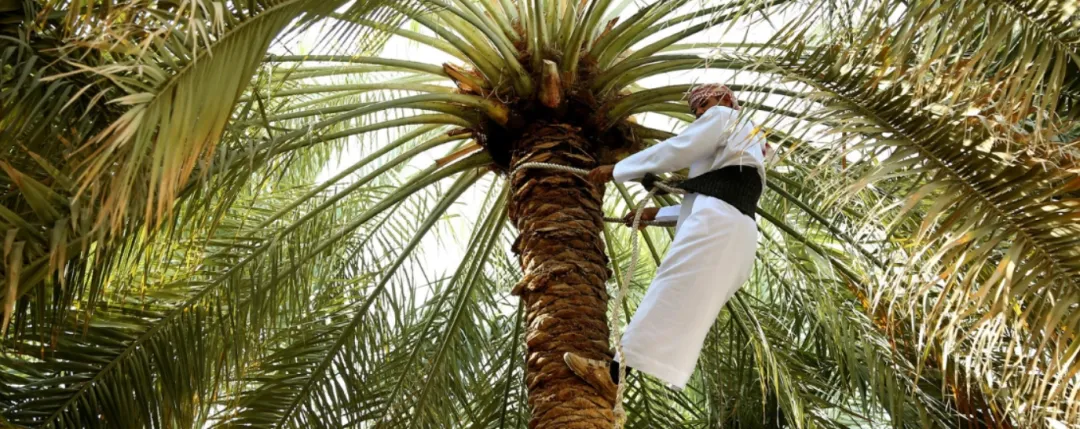
1 the United Arab Emirates Al Ain and Liwa historical date palm oases constitute a diversity of date palm genetic resources, and are home to ancient falaj irrigation systems, which bear testimony to human agricultural and technological ingenuity in hard environmental conditions.阿莱茵和利瓦的历史性椰枣绿洲保存了丰富的椰枣遗传资源多样性,同时也是古老“falaj”灌溉系统的所在地。这些传统灌溉系统见证了人类在严酷自然环境条件下所展现出的农业智慧与技术创造力。通过巧妙引导地下水资源,falaj 系统支撑了绿洲农业的发展,使当地社区能够在干旱地区长期稳定地开展农业生产。
Siwa oasis is an example of farmers’ ingenuity to adapt agriculture to very harsh climatic conditions. Situated in a very dry region, this oasis based on date palm agriculture combined with other crops such as olive trees and alfalfa, provides an effective way to grow food, livestock and preserve wild flora and fauna.西瓦绿洲是农民在极端严酷气候条件下调整农业方式、展现智慧的典范。它位于一个极其干旱的地区,这片以椰枣种植为基础的绿洲农业体系,结合了橄榄树、苜蓿等其他作物,形成了一种有效的生产模式,不仅能够种植粮食、发展畜牧业,还能够保护野生动植物资源。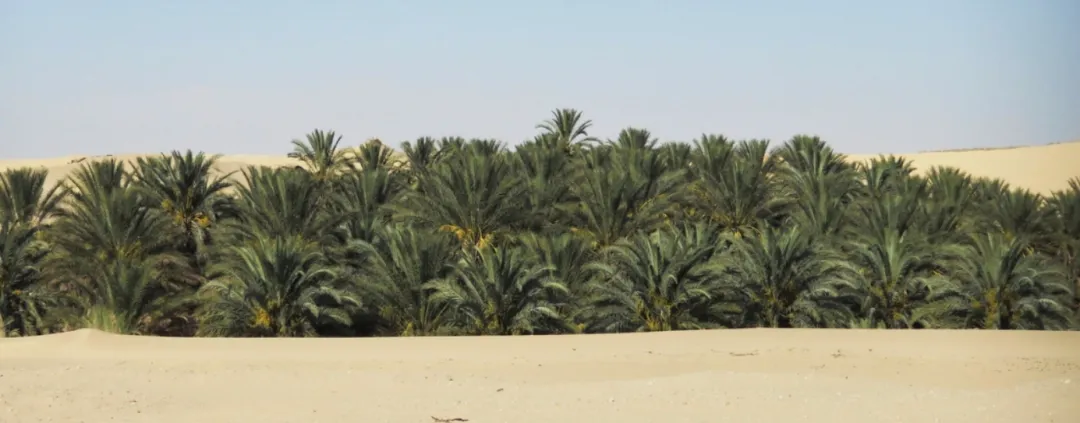
 10个月宝宝每天需要喝多少奶粉?